How Laser Beauty Treatments Work: Tattoo Removal, Hair Reduction & Skin Rejuvenation
Learn how laser technology removes tattoos, reduces hair, and rejuvenates skin. Benefits, risks, sessions, and what to expect explained.
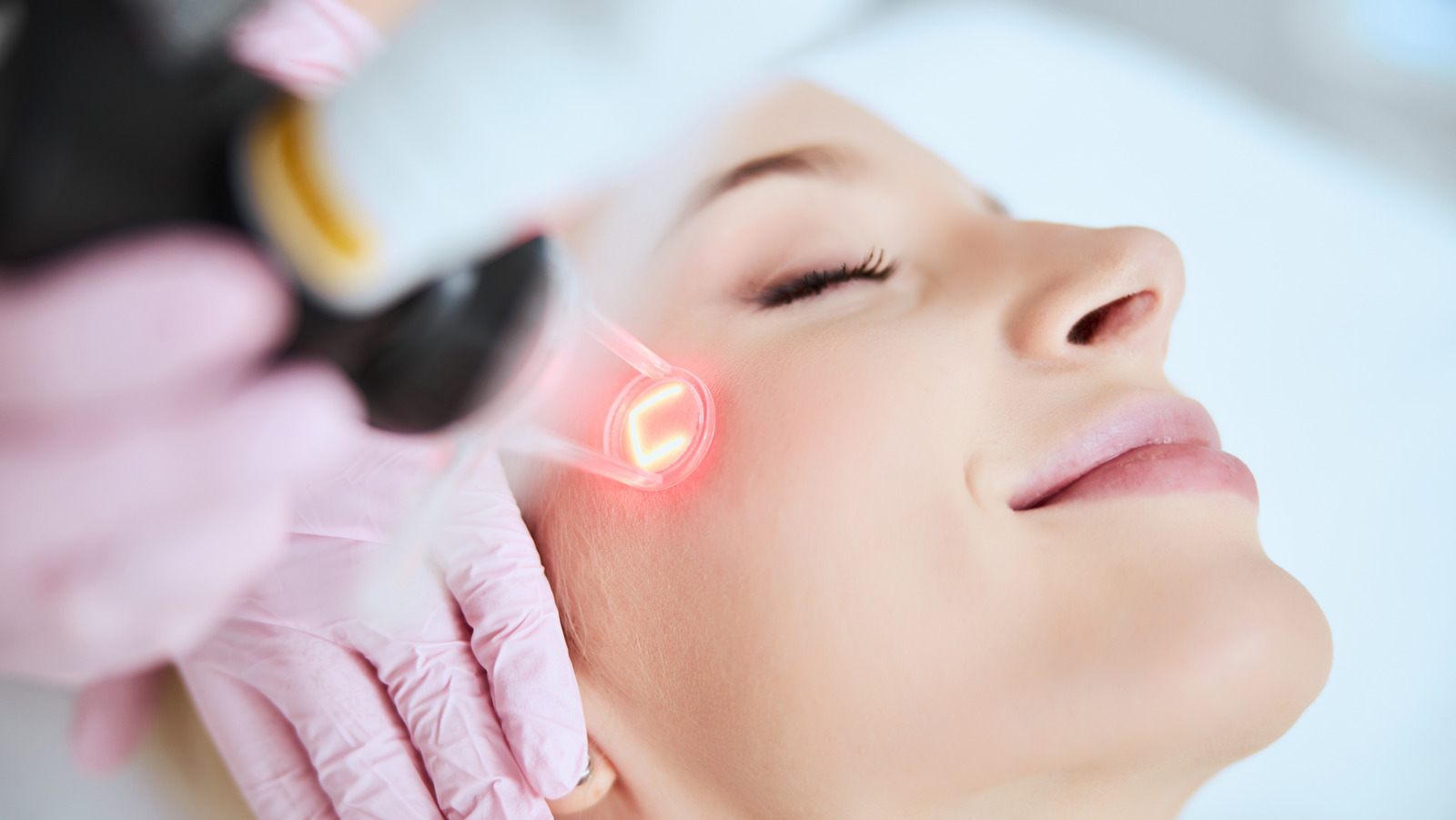
How Lasers Work for Beauty Treatments
Laser technology in aesthetics uses focused light beams at specific wavelengths. These wavelengths are absorbed by targeted structures such as tattoo ink, melanin in hair follicles, or collagen fibers, while surrounding tissue remains unharmed. The absorbed energy converts to heat, selectively destroying the target. For example, picosecond lasers like Picosure shatter ink into fine particles cleared by the immune system. In hair removal, melanin absorbs light and damages the follicle to slow regrowth. Skin rejuvenation lasers stimulate collagen production, improving texture and reducing fine lines.
Common Laser Procedures
Tattoo Removal
Picosecond technology (e.g., Picosure) has revolutionized tattoo removal. High-energy pulses break down ink more effectively than older lasers, often needing fewer sessions. Clinics like Eraser Clinic specialize in safe, professional care for all ink colors.
Hair Reduction
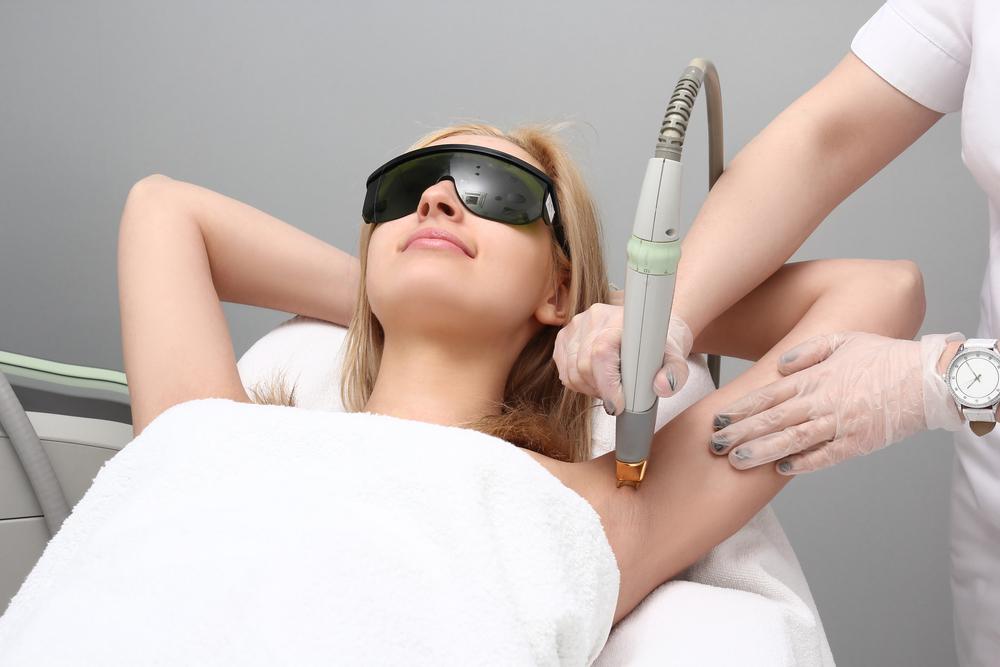
Laser hair removal machines are available for clinics and home use. Targeting melanin produces long-lasting reduction. Best results occur on darker hair against lighter skin, but newer devices suit broader skin tones. Typical treatment involves multiple sessions spaced weeks apart.
Wrinkle Reduction and Skin Rejuvenation
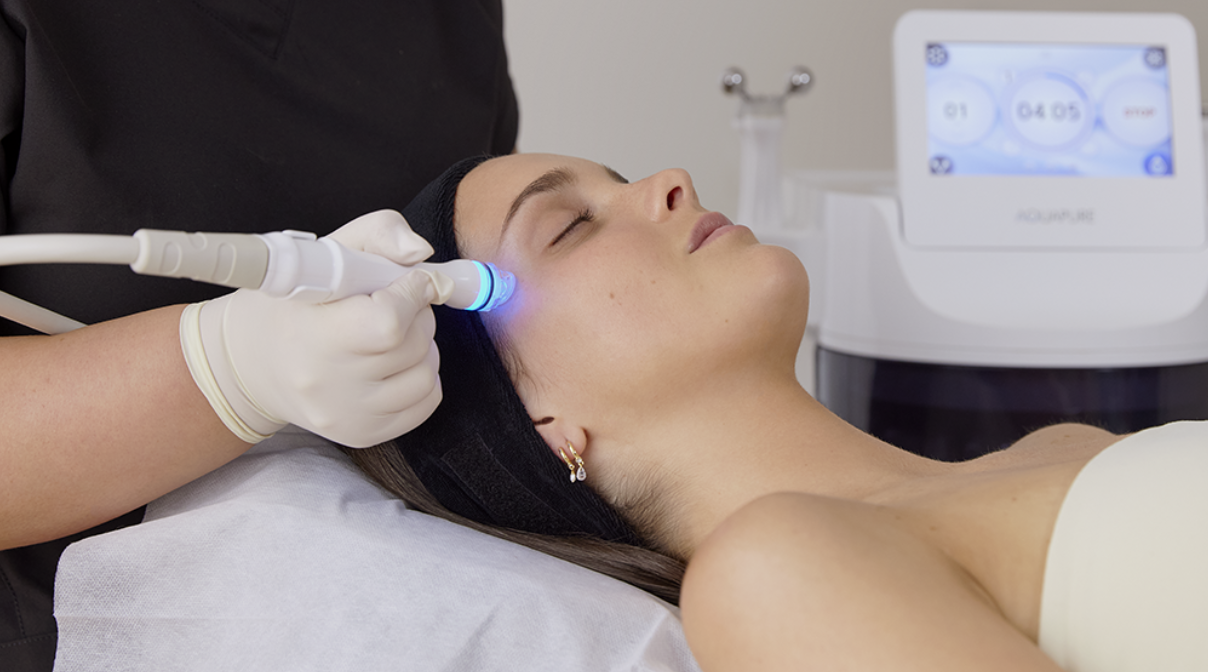
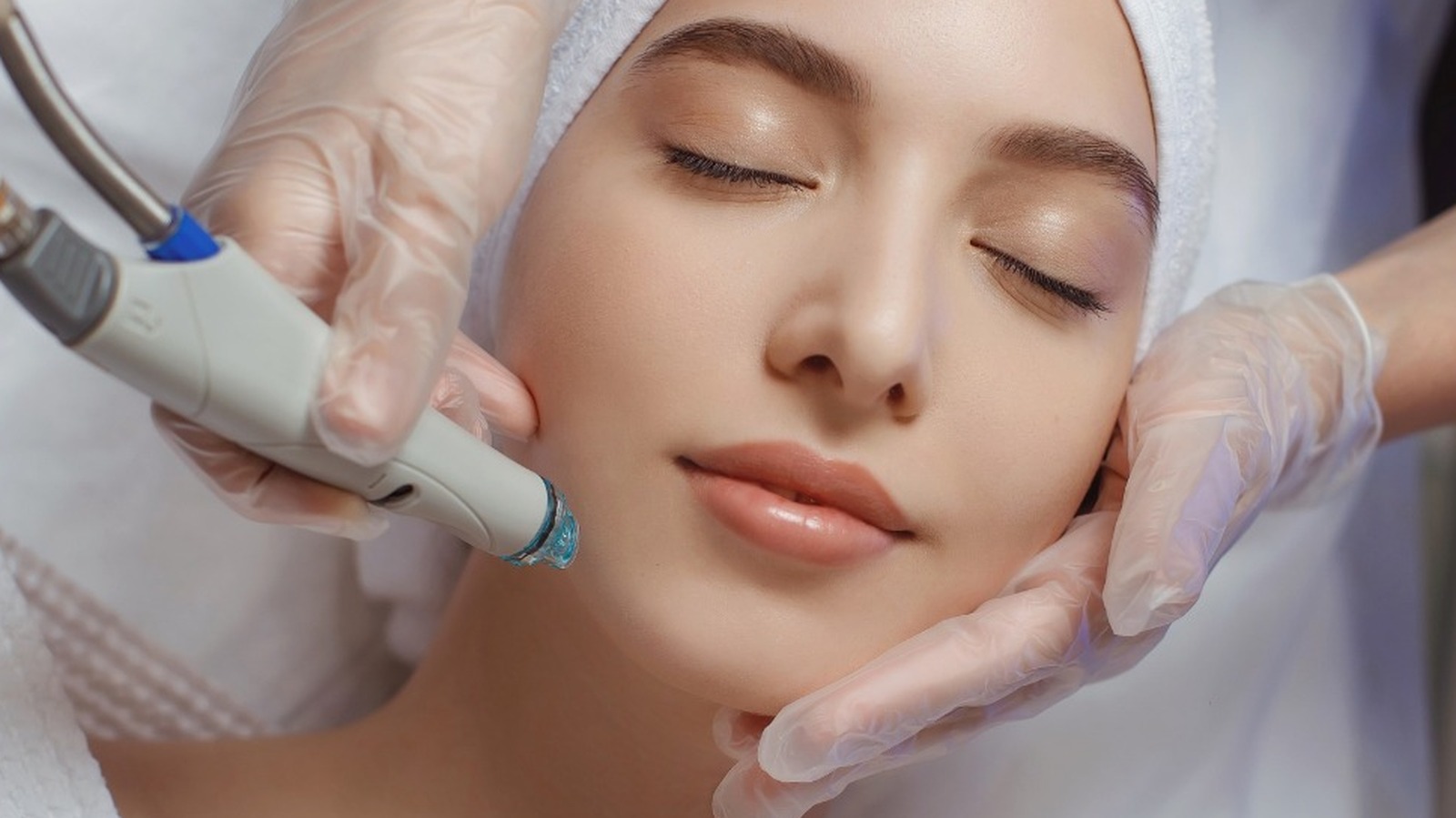
The Picoway Resolve 532 laser addresses wrinkles, pigmentation, and uneven texture by boosting collagen. New Look Cosmetic Skin Laser Center offers comprehensive rejuvenation for acne scars, sun damage, and tone issues. These treatments stimulate natural healing for a smoother, more youthful complexion.
Benefits of Laser Treatments
Precision: Targets only the intended area, minimizing side effects.
Minimal downtime: Most procedures allow immediate return to daily activities.
Versatility: Addresses tattoos, hair, wrinkles, scars, and pigmentation.
Long-lasting results: Hair reduction can be permanent after sessions; skin treatments offer months to years of improvement.
Risks and Considerations
While generally safe with qualified practitioners, risks include temporary redness, swelling, pigment changes (especially in darker skin), and rare scarring. Pre-treatment sun avoidance and disclosing medications are crucial. Consult a certified professional for personalized assessment.
Comparison Table: Popular Laser Treatments
| Treatment Type | Key Benefits | Potential Risks |
|---|---|---|
| Tattoo Removal | Effective ink breakdown | Skin irritation |
| Hair Reduction | Long-lasting hair reduction | Pigment changes |
| Wrinkle Reduction | Stimulates collagen production | Temporary redness |
| Skin Rejuvenation | Addresses multiple concerns | Scarring (rare) |
Source: American Society for Dermatologic Surgery
Frequently Asked Questions
What should I expect during a session?
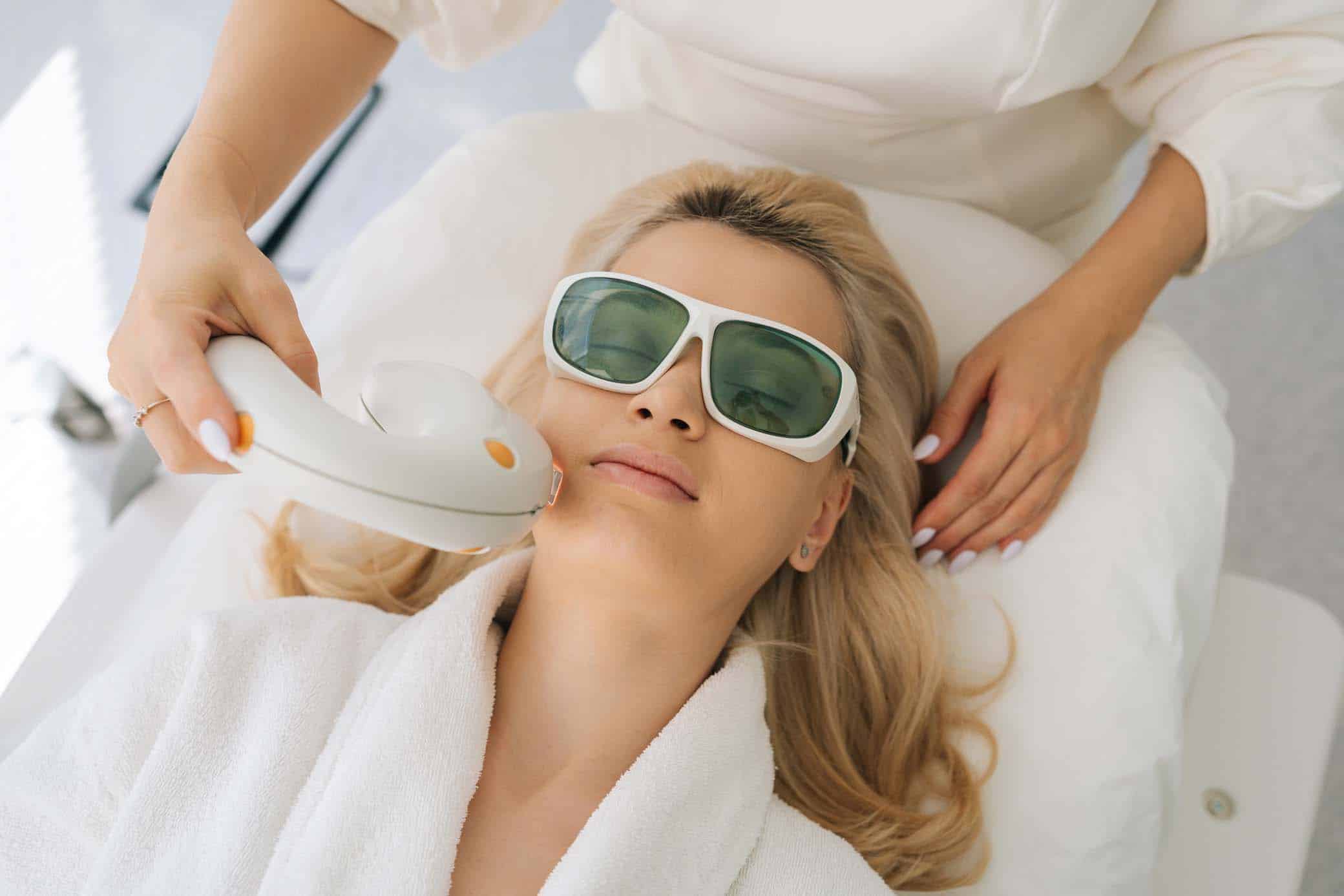
Protective eyewear is worn. You may feel a snapping sensation. Numbing creams or cooling can minimize discomfort.
How many sessions are needed?
Varies by treatment—tattoo removal may need 6–12+ sessions, hair reduction 6–8, wrinkle reduction 3–6. Maintenance touch-ups are common.
Are there pre-treatment preparations?
Avoid sun exposure and tanning. Disclose all medications (e.g., blood thinners, acne treatments) to your provider.
Can all skin types undergo laser?
Many lasers now accommodate diverse skin tones, but darker complexions carry higher pigment-change risk. An experienced practitioner can recommend the safest option.