Evidence-Based Guide to Liver Health: Diet, Probiotics, and NAFLD Prevention
Learn how diet, probiotics, and lifestyle changes support liver health and prevent NAFLD. Evidence-based tips, early warning signs, and myths debunked.

Why Liver Health Matters
The liver performs over 500 vital functions, from detoxification to nutrient storage. Yet many people ignore its needs until symptoms appear. This article offers a research-backed roadmap—covering diet, lifestyle, and probiotics—to support liver function and prevent conditions like nonalcoholic fatty liver disease (NAFLD) and metabolic dysfunction-associated steatohepatitis (MASH).
The Role of Diet in Supporting Liver Function
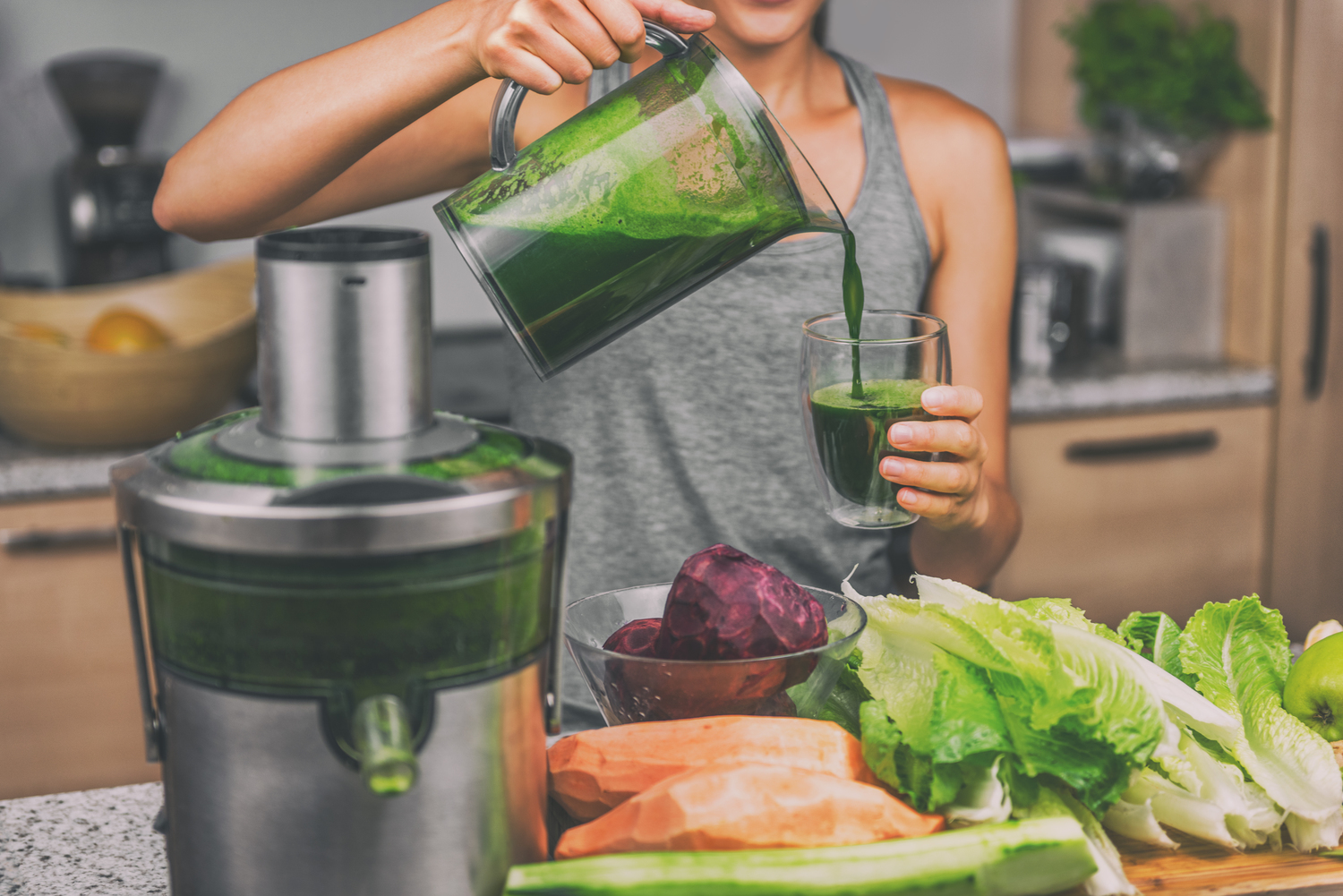
Certain foods activate detox enzymes, boost bile production, repair damaged cells, and neutralize toxins. Including them daily can naturally enhance the liver's self-cleaning abilities.
Foods That Protect the Liver
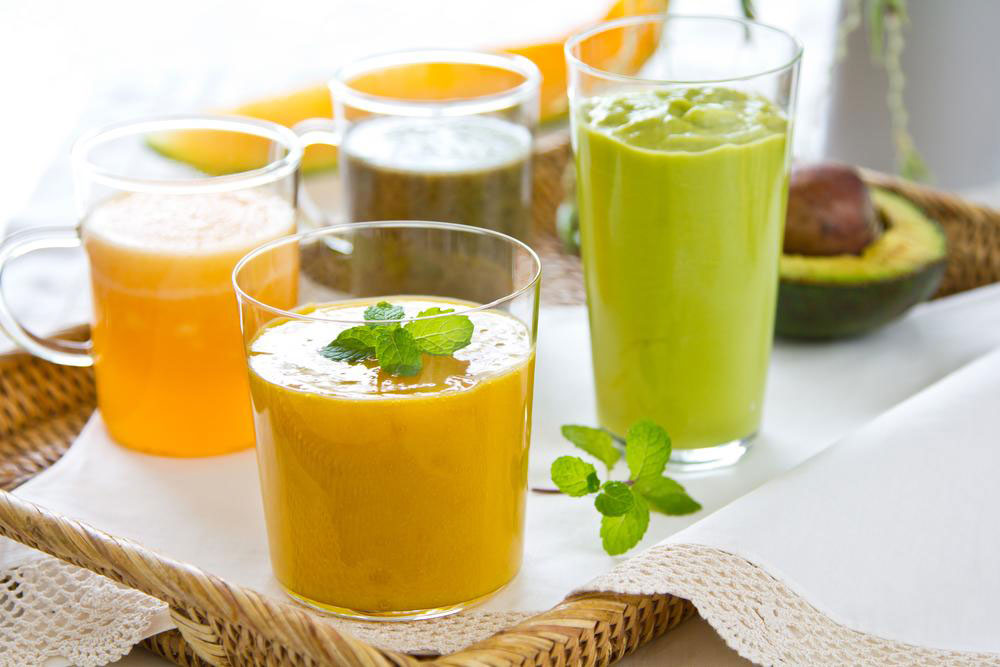
Rich in antioxidants, anti-inflammatory compounds, and essential nutrients, these foods have strong liver-protective effects:
Green tea (5–10 cups/day): Catechins like EGCG improve ALT and AST levels.
Cruciferous vegetables (1–2 servings/day): Boost glutathione and support enzyme activation.
Turmeric (1–2 tsp/day): Curcumin increases bile production and aids detoxification.
Citrus fruits (1 medium/day): Vitamin C enhances detox pathways.
Beetroot (1/2–1 cup/day): Betalains help cleanse the liver.
Avocado (1/2–1 fruit/day): Glutathione neutralizes harmful substances.
Garlic (1–2 cloves/day): Selenium activates liver enzymes.
Olive oil (1–2 tbsp/day): Oleic acid reduces inflammation.
Understanding NAFLD (Now Called MASLD)
Metabolic dysfunction-associated steatotic liver disease (MASLD), formerly NAFLD, is the most common chronic liver condition in the U.S. It often has no symptoms until advanced stages.
Prevalence Statistics
| Population Group | Prevalence (%) | Estimated Number | Source | Year |
|---|---|---|---|---|
| U.S. Adults | 24 | ~1 in 4 adults | Cleveland Clinic | 2025 |
| U.S. Children (2–19) | ~10 | ~6 million | American Liver Foundation | 2025 |
Key risk factors include obesity, type 2 diabetes, high blood pressure, high cholesterol, poor diet, and a sedentary lifestyle. Without intervention, NAFLD can progress to NASH, fibrosis, cirrhosis, or liver cancer.
Early Warning Signs of Liver Disease
Liver issues often start quietly. Look for persistent fatigue, upper right abdominal discomfort, jaundice (yellow skin/eyes), easy bruising, itchy skin, nausea, dark urine, pale stools, and brain fog. Early detection allows simple lifestyle changes that can reverse damage.
Probiotics and the Gut-Liver Connection
Emerging research shows gut microbiota significantly influences liver health. Probiotics can reduce inflammation and fat accumulation. Specific strains show promise:
Lactobacillus rhamnosus GG (LGG): Restores gut barrier function and reduces endotoxin translocation.
Bifidobacterium strains: Reduce liver fat content and exert anti-inflammatory effects.
Probiotics are not a replacement for standard treatments but serve as a valuable adjunct—always consult a healthcare professional for personalized advice.
Debunking Liver Detox Myths
Many trendy detoxes lack scientific support. Instead, sustainable habits are more effective.
Green Tea
Rich in catechins, green tea reduces ALT and AST levels, particularly beneficial for alcohol-related liver issues.
Coffee
Drinking three or more cups daily is linked to a lower risk of cirrhosis and liver cancer, thanks to antioxidants and anti-inflammatory properties.
Rather than quick cleanses, doctors recommend consistent consumption of these beverages as part of a balanced diet.
Frequently Asked Questions
What foods are best for liver health? Green tea, cruciferous vegetables, turmeric, citrus fruits, beetroot, avocado, garlic, and olive oil. These support detox enzymes and provide key nutrients.
How common is NAFLD? About 1 in 4 U.S. adults and 10% of children (2–19) are affected. Risk factors include obesity, diabetes, and inactivity.
Can probiotics replace medical treatment? No. They can improve liver enzymes and reduce inflammation but should be used under medical supervision.
Always consult your healthcare provider before making significant dietary or supplement changes, especially if you have a pre-existing condition.