Optimize Your Body's Natural Detox: Liver, Gut, Hydration & Antioxidant Strategies
Learn how to support your body's innate detoxification through liver health, gut balance, hydration, and antioxidant-rich foods. Simple lifestyle changes enhance cleansing.
Understanding Detoxification
Detoxification is not a quick fix—it is an ongoing biological process mediated by the liver, kidneys, gut, and skin. Optimizing these pathways begins with understanding how each organ operates and which nutrients support them. Simple lifestyle adjustments, from antioxidant-rich foods to mindful hydration, can significantly improve your body’s ability to remove toxins and sustain energy.
Liver Support Through Diet and Habits
Key Nutrients for Liver Detox
The liver’s two-phase detoxification process relies on B vitamins, sulfur compounds, and amino acids. Cruciferous vegetables (broccoli, kale), garlic, onions, and beets deliver these nutrients. Extracts of milk thistle and artichoke have also been studied for their protective effects on liver cells.
Lifestyle Choices That Reduce Toxin Load
Limiting alcohol, tobacco, and processed foods gives the liver fewer toxins to process. Regular exercise improves circulation, helping transport waste to elimination organs. Quality sleep (7–9 hours) allows the liver to perform nightly repair and filtration.
Antioxidants: Cellular Defense System
How Antioxidants Neutralize Free Radicals
Free radicals—unstable molecules from pollution, UV light, and metabolism—damage cells if left unchecked. Antioxidants like vitamins C and E, flavonoids, and glutathione neutralize these radicals, protecting cellular integrity. Oxidative stress accelerates skin aging, weakens immunity, and drains energy. Including antioxidant-dense foods such as berries, leafy greens, turmeric, and onions helps maintain a strong defense.
Glutathione: The Master Antioxidant
Produced naturally in every cell, glutathione is critical for liver detoxification, neutralizing toxins and supporting immune function. Poor diet, stress, and aging can lower glutathione levels. Supplementing with precursors like N-acetylcysteine or consuming sulfur-rich foods (garlic, broccoli) helps replenish this compound.
Gut Health: The Detox Foundation
Probiotics and Gut Barrier Function
A balanced gut microbiome prevents harmful bacteria from overgrowing and reduces toxin production that can enter the bloodstream. Probiotics in yogurt, kefir, and sauerkraut strengthen the gut barrier, support digestion, and enhance waste removal. High-fiber foods (whole grains, legumes, vegetables) feed beneficial bacteria, fostering a healthy microbial ecosystem.
Hydration Hacks for Optimal Cleansing
Minerals and Electrolytes for Absorption
Plain water isn’t enough—electrolytes like sodium, potassium, and magnesium ensure efficient fluid absorption and kidney function. Adding a pinch of sea salt or a squeeze of lemon to water can improve hydration and support detox.
Functional Fluids That Aid Detox
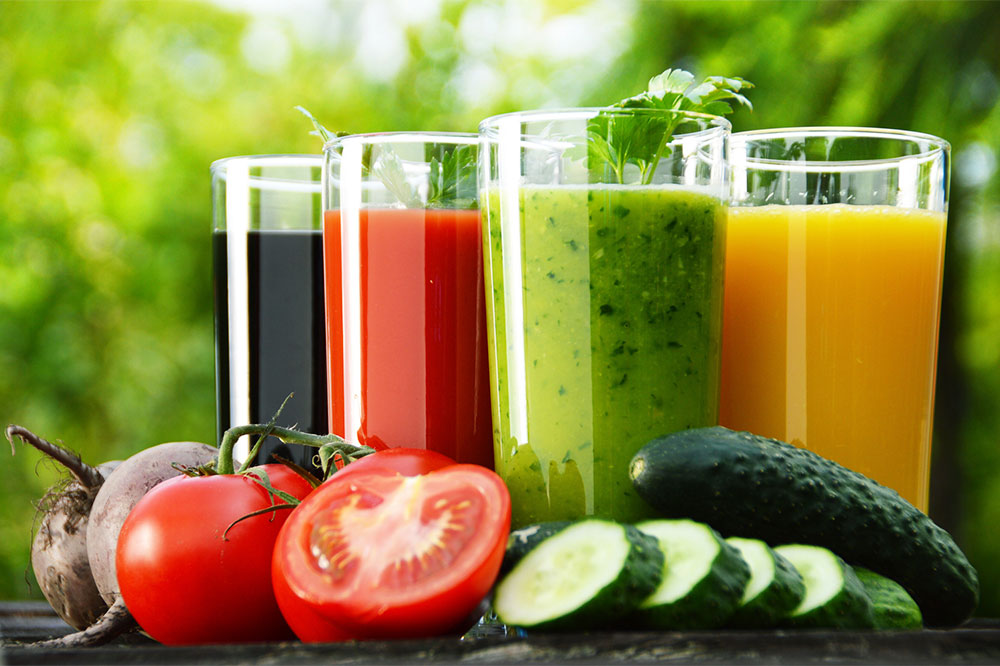
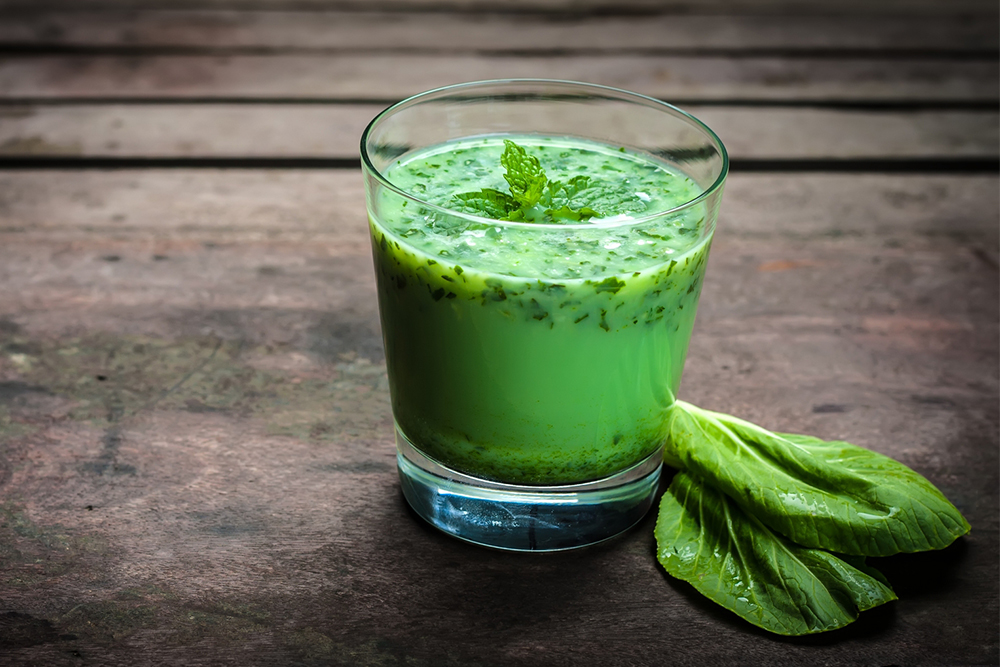
Herbal teas, green juice, and infused waters provide additional antioxidants and nutrients that directly support the liver and kidneys. Dandelion root tea stimulates bile production, while ginger and turmeric drinks reduce inflammation.
Timing Matters
Drinking water between meals improves digestion. Starting the day with warm water and lemon kickstarts hydration and gently stimulates the digestive tract.
Holistic Approach: Gut-Liver-Skin Connection
The gut and liver communicate via the portal vein; a healthy gut reduces the toxin load on the liver. In turn, a well-functioning liver supports clear skin and stable energy. Consistent hydration aids both organs, while moderate physical activity (walking, yoga) stimulates lymphatic flow and skin sweating. Adequate rest and stress management complete the circle, allowing cellular repair and detoxification to proceed uninhibited.
FAQ
Which antioxidant foods are best for liver health? Berries, dark leafy greens, nuts, and citrus fruits provide vitamins C and E, flavonoids, and other compounds that protect liver cells from oxidative damage.
How does hydration help remove toxins? Water helps kidneys filter blood and excrete waste in urine. Proper hydration also supports digestion and prevents constipation, allowing toxins to leave the body efficiently.
Can sweating aid detoxification? Yes—exercise or sauna use encourages elimination of heavy metals and other pollutants through sweat, improving circulation and skin health.
Why is gut health important for detox? A healthy gut microbiome prevents leakage of toxins into the bloodstream and enhances nutrient absorption, reducing the burden on the liver.
What are the best ways to support liver function? Eat cruciferous vegetables, limit alcohol, stay hydrated, exercise regularly, and get enough sleep. Supplements like milk thistle may also help.