Eyebrow Transplant Guide: Costs, Techniques & Results for Fuller Brows
Learn about eyebrow transplant costs ($3K–$6K), FUE vs FUT techniques, results timeline, and how to choose a clinic for permanent fuller brows.
Overview of Eyebrow Transplantation
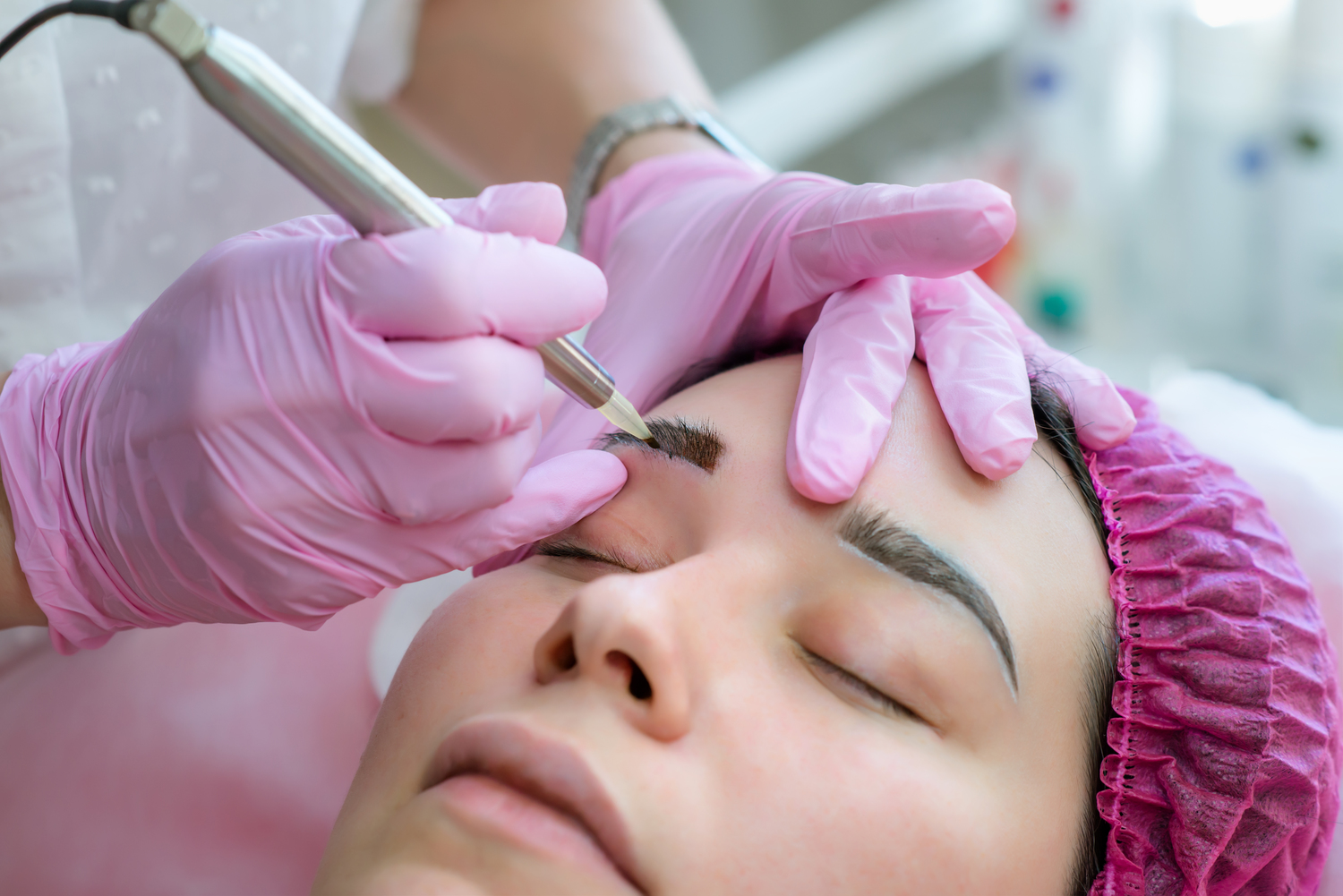
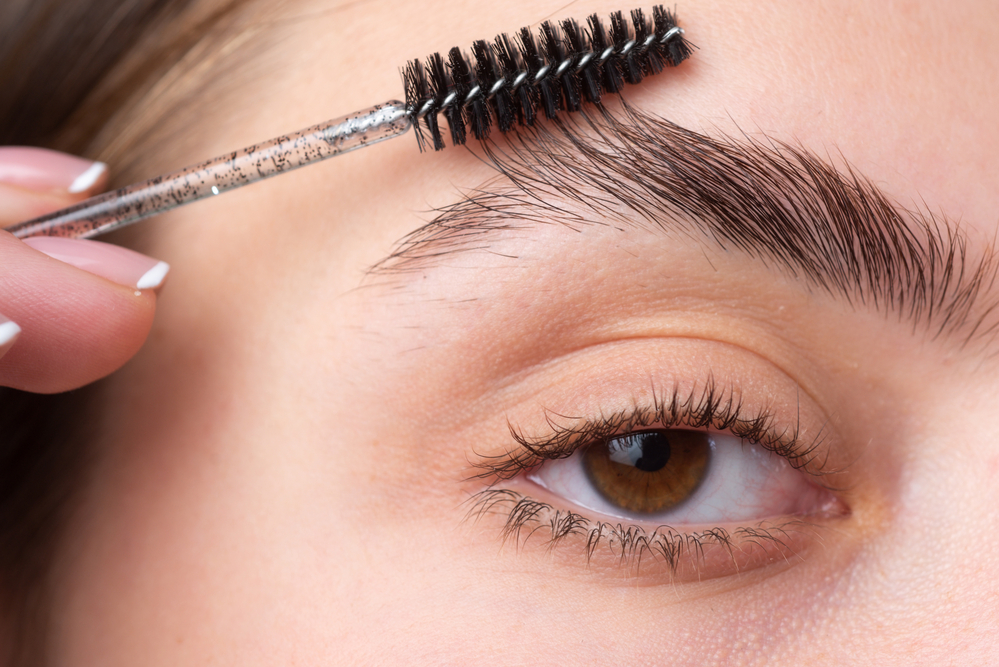
An eyebrow transplant is a cosmetic surgery that replaces lost or thinning eyebrow hair using follicles harvested from a donor area, typically the back of the scalp. It offers a permanent solution for people with sparse brows caused by genetics, over-plucking, or medical conditions such as alopecia areata.
How the Procedure Works
Two main techniques are used: Follicular Unit Extraction (FUE) and Follicular Unit Transplantation (FUT). FUE involves extracting individual follicles one by one, resulting in minimal scarring and quicker recovery. FUT removes a strip of scalp skin that is then dissected into follicular units, leaving a linear scar but allowing for larger graft numbers. Surgeons choose the method based on your hair characteristics and desired density.
Technique Comparison
FUE is less invasive and leaves no linear scar, while FUT may yield more grafts in a single session. Both produce permanent, natural-looking results. The number of grafts typically ranges from 50 to 300 per eyebrow.
Cost of Eyebrow Transplants
Prices generally fall between $3,000 and $6,000, depending on the clinic's location, the surgeon's expertise, and the complexity of the case. Factors influencing cost include the number of grafts required and any pre-operative care. Many clinics offer payment plans to make the procedure more accessible.
Who Is an Ideal Candidate?
Good candidates have realistic expectations and sufficient donor hair on the scalp or elsewhere on the body. The procedure benefits individuals with thinning brows from over-plucking, alopecia areata, burns, or scars. A consultation with a specialist determines eligibility and the best technique for your goals.
Recovery and Results Timeline
After surgery, transplanted hairs fall out within a few weeks, then new growth begins at around three to four months. Final density and shape are visible 12 to 18 months post-procedure. Examining before-and-after photos from reputable clinics helps set realistic expectations.
Eyebrow Transplants for Alopecia
For alopecia patients, transplantation can permanently restore brows. Surgeons may combine scalp and body hair if scalp follicles are limited. Success rates are high when performed by experienced practitioners, though results depend on the stability of the underlying condition.
Choosing a Clinic
When selecting a clinic, prioritize those that specialize in eyebrow procedures. Ask about the surgeon's experience, technique, and portfolio of similar cases. Key questions include: What technique do you recommend? How many procedures have you performed? Can you show me results from patients with similar hair types?
Innovations: Leg Hair Donor Sites
If scalp hair is insufficient, leg hair can serve as an alternative donor source. This method requires precision to match the texture of brow hair. Pros include an additional supply of grafts; cons involve potential texture differences and longer harvest time.
Growing Popularity
Eyebrow transplant procedures have surged in popularity, rising from 5,000 in 2018 to 12,500 in 2021 according to industry data. This growth reflects a shift toward permanent, natural-looking solutions over temporary cosmetics like pencils or microblading.
With advances in techniques like FUE and alternative donor sites, individuals now have more options than ever to achieve fuller, well-shaped brows. Understanding the procedure, costs, and clinic selection criteria is key to a successful outcome.