Psoriasis Guide: Triggers, Symptoms, Types, and Management Strategies
Learn about psoriasis triggers, symptoms, types, and management strategies. Control flare-ups and improve quality of life.
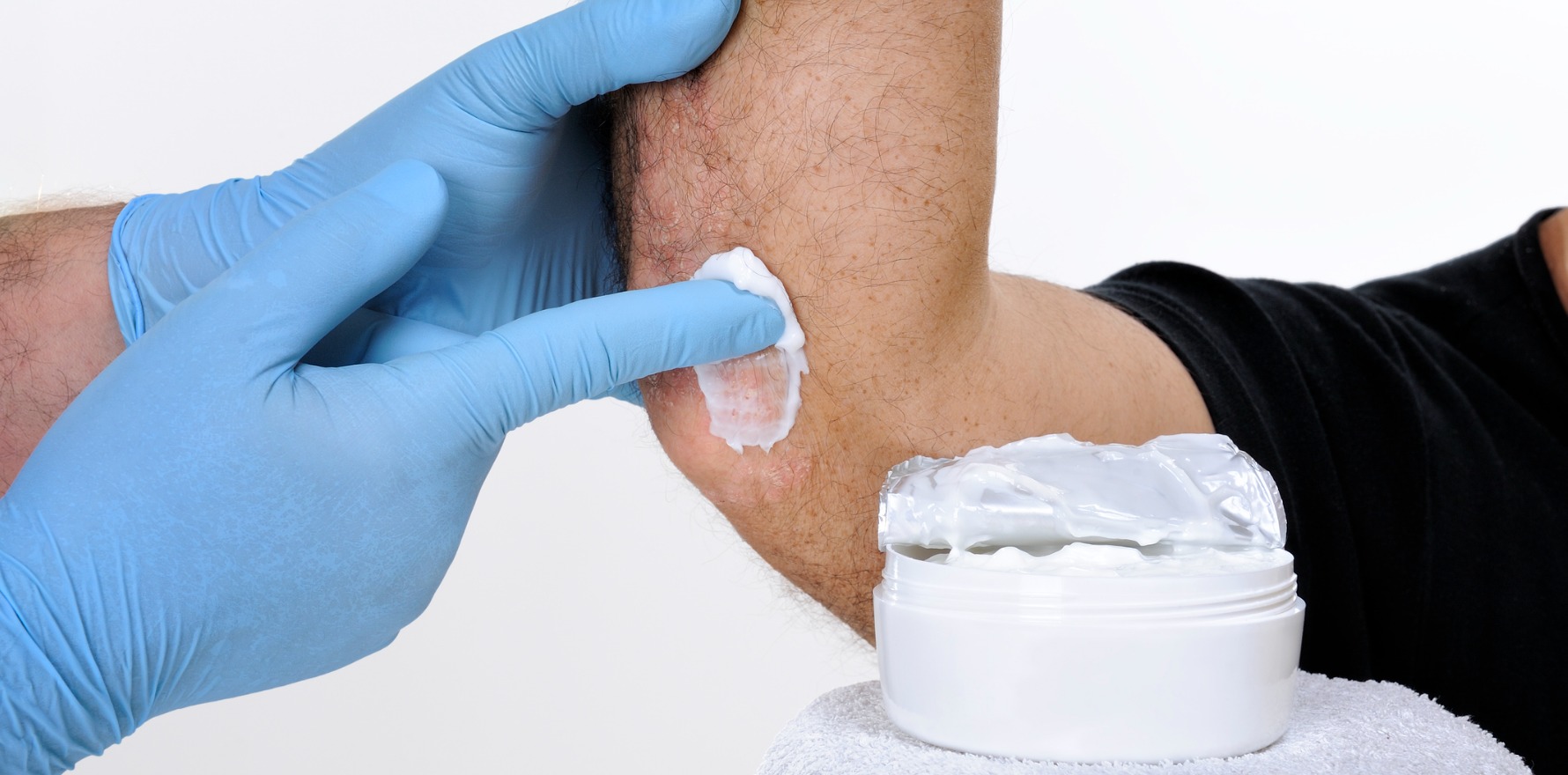
What Is Psoriasis?
Psoriasis is a chronic autoimmune condition that speeds up the growth cycle of skin cells, leading to inflamed, scaly patches. It affects millions worldwide and varies in severity. While there is no cure, understanding triggers, recognizing symptoms, and exploring treatment options can help manage the condition effectively.
Common Types of Psoriasis
Psoriasis presents in several forms. The most common include:
Plaque Psoriasis: Raised, inflamed, scaly patches on scalp, elbows, knees, and lower back.
Guttate Psoriasis: Small drop-shaped sores often triggered by infections like strep throat, especially in younger individuals.
Inverse Psoriasis: Red, shiny lesions in skin folds, worsened by friction and sweating.
Pustular Psoriasis: A rare, severe form with white pustules surrounded by inflamed skin.
Erythrodermic Psoriasis: Least common but severe; widespread redness and scaling can be life-threatening without treatment.
Recognizing Psoriasis Symptoms
Symptoms vary but commonly include red patches with silvery scales, dry cracked skin that may bleed, itching and burning, and thickened or ridged nails. In older adults, thinner skin and coexisting health issues can make symptoms more severe. The visible nature of the condition often leads to emotional distress, including anxiety and social withdrawal.
What Triggers Psoriasis Flare-Ups
Environmental Triggers
Stress—both emotional and physical—can overstimulate the immune system and trigger inflammation. Cold, dry weather reduces skin moisture, worsening symptoms. Infections, particularly strep throat, frequently cause guttate psoriasis. Managing stress through meditation, using humidifiers in dry climates, and promptly treating infections can help reduce flare-ups.
Lifestyle Triggers
Diets high in inflammatory foods (sugar, red meat, processed snacks) and excessive alcohol consumption can exacerbate psoriasis. Smoking weakens the skin's barrier, increasing severity. Adopting an anti-inflammatory diet and quitting smoking may lessen the frequency and intensity of outbreaks.
Medication Triggers
Certain medications—including beta-blockers, lithium, and antimalarials—can trigger or worsen psoriasis. Individuals with psoriasis should discuss alternative options with their healthcare provider.
Treatment Options for Psoriasis
Topical Treatments
Corticosteroids reduce inflammation and itching. Vitamin D analogs slow rapid skin cell turnover. Moisturizers prevent dryness and cracking. These are mainstays for mild to moderate cases.
Phototherapy
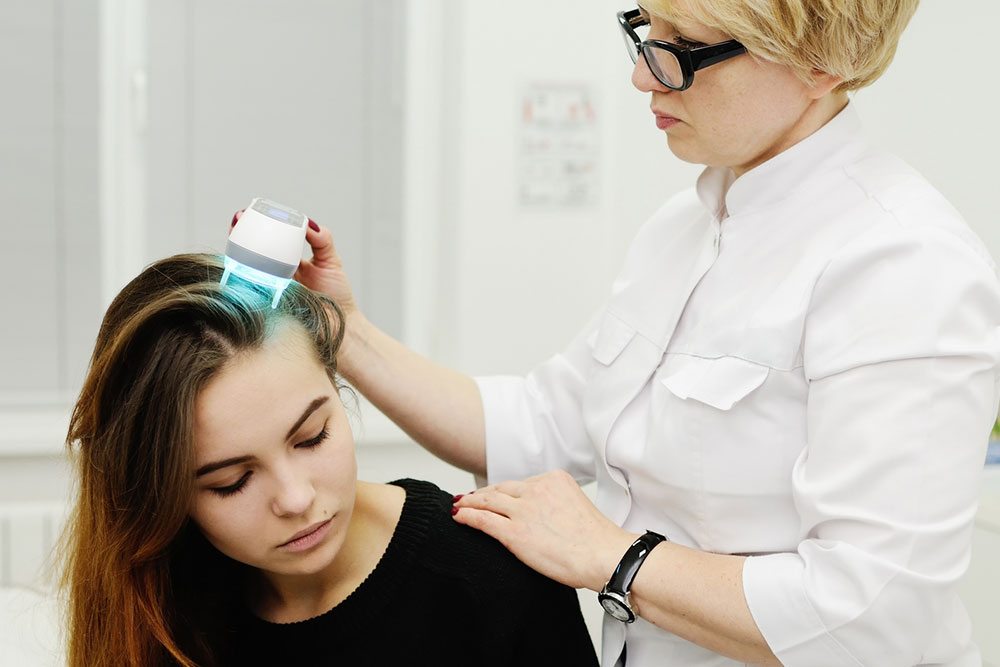
Controlled exposure to UV light slows skin cell turnover and reduces inflammation. This can be done in a dermatologist's office or with home equipment under supervision.
Systemic Medications
For severe psoriasis, oral drugs like methotrexate and acitretin, or injectable biologics, suppress immune activity. These require careful monitoring due to potential side effects.
Home Remedies and Precautions
Some anecdotal treatments, such as applying toothpaste, lack scientific evidence and may cause irritation. Always consult a dermatologist before trying alternative remedies.
Living with Psoriasis: Lifestyle and Support
Skincare Routine
Use gentle, fragrance-free cleansers and moisturizers. Avoid harsh exfoliants that can worsen irritation.
Diet and Nutrition
Incorporate anti-inflammatory foods like fish, leafy greens, and nuts. Avoid triggers such as processed foods, alcohol, and excess sugar.
Emotional Support
Join support groups or seek therapy to cope with the emotional impact. Education and community empower individuals to lead healthier lives.
Frequently Asked Questions
Can psoriasis be cured?
No, but treatments can effectively control symptoms and improve quality of life.
Is toothpaste effective for psoriasis?
No scientific evidence supports its use; it may even irritate the skin.
How can I manage psoriasis in my hair?
Use medicated shampoos containing salicylic acid or coal tar. For severe cases, consult a dermatologist.
Can psoriasis appear overnight?
Flare-ups often seem sudden but develop over time. Consistent management reduces their frequency.
Is psoriasis more severe in older adults?
Yes, due to thinner skin and coexisting health conditions, requiring specialized care.