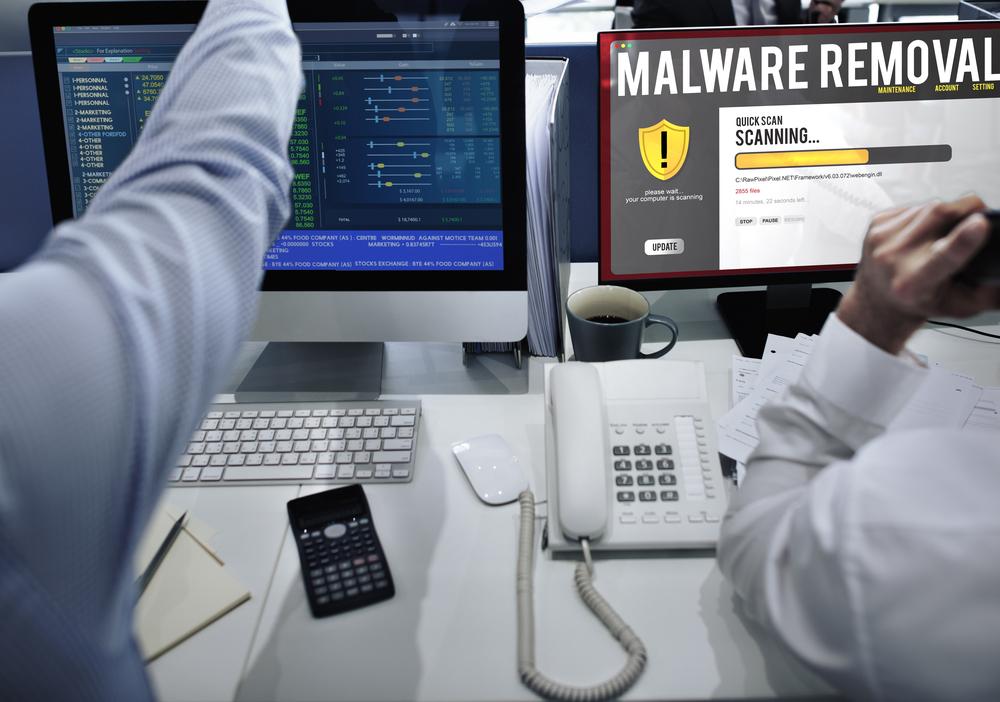
Ransomware Defense: Detection, Prevention & Recovery Strategies
Learn strategies to detect, prevent, and recover from ransomware. Covers vulnerability management, AI detection, and defense tactics.
Understanding Ransomware: What It Is and How It Spreads
Ransomware is malicious software that encrypts files or locks devices, demanding payment for restoration. Attackers typically gain entry via phishing emails, compromised downloads, or unpatched vulnerabilities. Over time, ransomware has become more sophisticated, targeting both individuals and large organizations.
Common Ransomware Variants
Crypto Ransomware: Encrypts specific files, requiring a unique key to decrypt.
Locker Ransomware: Locks the entire device, preventing any interaction.
Scareware: Poses as legitimate security software to trick victims into paying for fake fixes.
Building a Strong Defense Through Vulnerability Management
Effective vulnerability management is crucial to block ransomware before it can exploit weaknesses. This process includes regular assessments and timely patching.
Conducting Vulnerability Assessments
Automated scanners like Nessus, Qualys, and OpenVAS identify software and network weaknesses. Penetration testing uncovers more complex flaws. Using the CVSS scoring system helps prioritize the most critical vulnerabilities.
Implementing Patch Management
Cybercriminals actively seek unpatched vulnerabilities. Best practices include establishing regular update cycles, prioritizing zero-day patches, testing updates in a sandbox environment, and monitoring third-party vendors for critical software such as VPNs and plugins.
Comprehensive Prevention Strategies
Data Management and Governance
Strong data governance minimizes damage. Encrypt sensitive data, enforce role-based access controls, and maintain regular, tested backups stored off-site to ensure recovery without paying ransoms.
AI-Powered Ransomware Detection
Artificial intelligence analyzes network traffic and behavior patterns in real time. AI systems detect anomalies, learn from past attacks, and trigger automated responses, significantly reducing detection time.
Cybersecurity Services
Professional services offer incident response, employee security awareness training, and 24/7 monitoring. These provide expertise that many organizations lack internally.
Everyday Defense Tactics
A proactive defense combines technology and human awareness. Key measures include:
Employee Education: Train staff to recognize phishing and report suspicious activities.
Network Segmentation: Divide the network into zones to contain infections.
Multi-Factor Authentication (MFA): Add extra verification layers for critical accounts.
Frequently Asked Questions
What is ransomware and how does it work?
Ransomware is malware that encrypts or locks files, demanding a ransom. It spreads via phishing and vulnerabilities.
How can AI help detect ransomware?
AI monitors network patterns for signs of ransomware, enabling real-time detection and automated defense.
What are the key components of a ransomware backup strategy?
Regular backups, off-site storage, and periodic recovery testing ensure data can be restored without paying.
How do cybersecurity services protect against ransomware?
They provide rapid incident response, training, and continuous monitoring to detect threats early.
What steps can organizations take to prevent ransomware attacks?
Implement employee training, network segmentation, and multi-factor authentication.