Bathroom Adaptation Grants for Seniors in the UK: Walk-In Showers and Funding Options
Discover UK grants for senior bathroom adaptations, including walk-in showers. Learn eligibility, application steps, and funding options.
Understanding Bathroom Adaptation Grants for Seniors
Falls in the bathroom are a leading cause of injury for those aged 65 and over, with 80% occurring in this room. Simple modifications such as walk-in showers, grab rails, and non-slip flooring can reduce fall risk by up to 50%. Fortunately, the UK offers various grants to help seniors fund these essential changes, ensuring safer and more accessible homes.
Top Funding Options Available in the UK
1. Disabled Facilities Grant (DFG)
The most common grant in England, Wales, and Northern Ireland. It covers adaptations like walk-in showers and wet rooms for people with disabilities, including older adults. Maximum amounts: £30,000 in England, £36,000 in Wales, and £25,000 in Northern Ireland. Means-tested, so your income affects the award.
2. Local Authority Grants
Many councils offer extra funding to supplement the DFG or cover smaller adaptations. Availability varies by region, so check with your local council for details.
3. Charitable Grants
Charities such as Turn2us and Foundations Independent Living Trust (FILT) provide grants for low-income households. They often focus on urgent safety improvements like walk-in baths or level-access showers.
4. Energy Company Obligation (ECO) Scheme
Primarily for energy efficiency, some ECO initiatives also support bathroom adaptations that reduce damp or improve safety for vulnerable residents.
5. Grants for Private Homeowners
Private homeowners meeting certain criteria can access council or charity grants to cover partial or full costs of accessibility improvements.
How to Secure a Grant: The Application Process
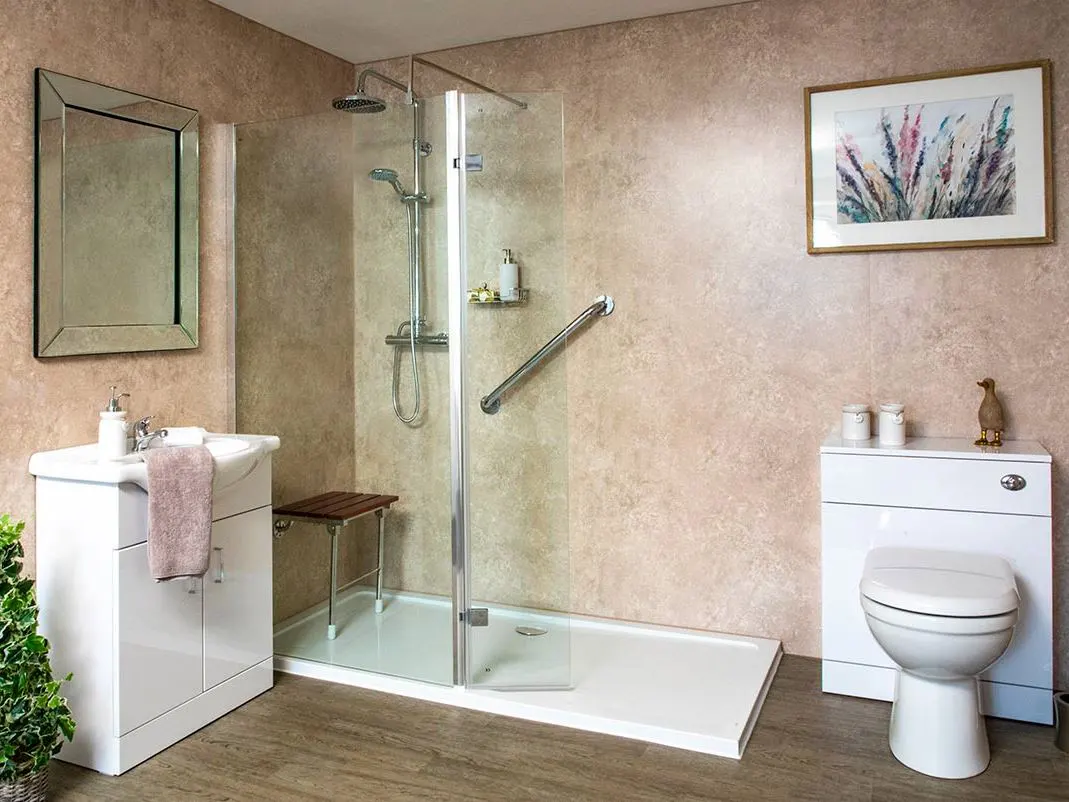
Applying for a bathroom grant involves several steps. First, identify which adaptations you need—a walk-in shower with a seat and grab rails is common for seniors. Next, contact your local council; they can advise on available schemes. Most grants, including the DFG, require an occupational therapist assessment (free through your council) to recommend modifications. Prepare documents like proof of income, property ownership, or landlord permission (if renting). Submit these to the council and wait for approval, which can take weeks to months. Once approved, hire certified contractors to complete the work to UK building regulations.
Key Benefits of Walk-In Showers and Baths for Seniors
Walk-in showers and baths offer improved accessibility with no high step-over and built-in seating. They reduce fall risk through non-slip surfaces and grab rails, promote independence by allowing seniors to bathe without assistance, and can increase home value. Customisable features like thermostatic controls and anti-scald technology enhance comfort.
Common Questions About Bathroom Grants
Can tenants apply?
Yes, but you need written permission from your landlord. Some grants also allow landlords to apply directly.
How long does funding take?
Typically several weeks to months, depending on the grant type and local authority workload.
Is professional installation necessary?
Yes, to ensure compliance with UK building regulations and safety.
Are walk-in showers suitable for small bathrooms?
Yes, compact designs are available for tight spaces without compromising access.
Start Your Application Today
With the right grant, seniors can afford bathroom adaptations that keep them safe and independent. Research options, contact your council, and begin the process.