Complete Bathroom Remodeling Guide: Costs, Ideas & Expert Tips for Your Renovation
Learn about bathroom remodel types, costs, and practical tips. From walk-in tubs to shower conversions, plan your renovation with confidence.
Introduction
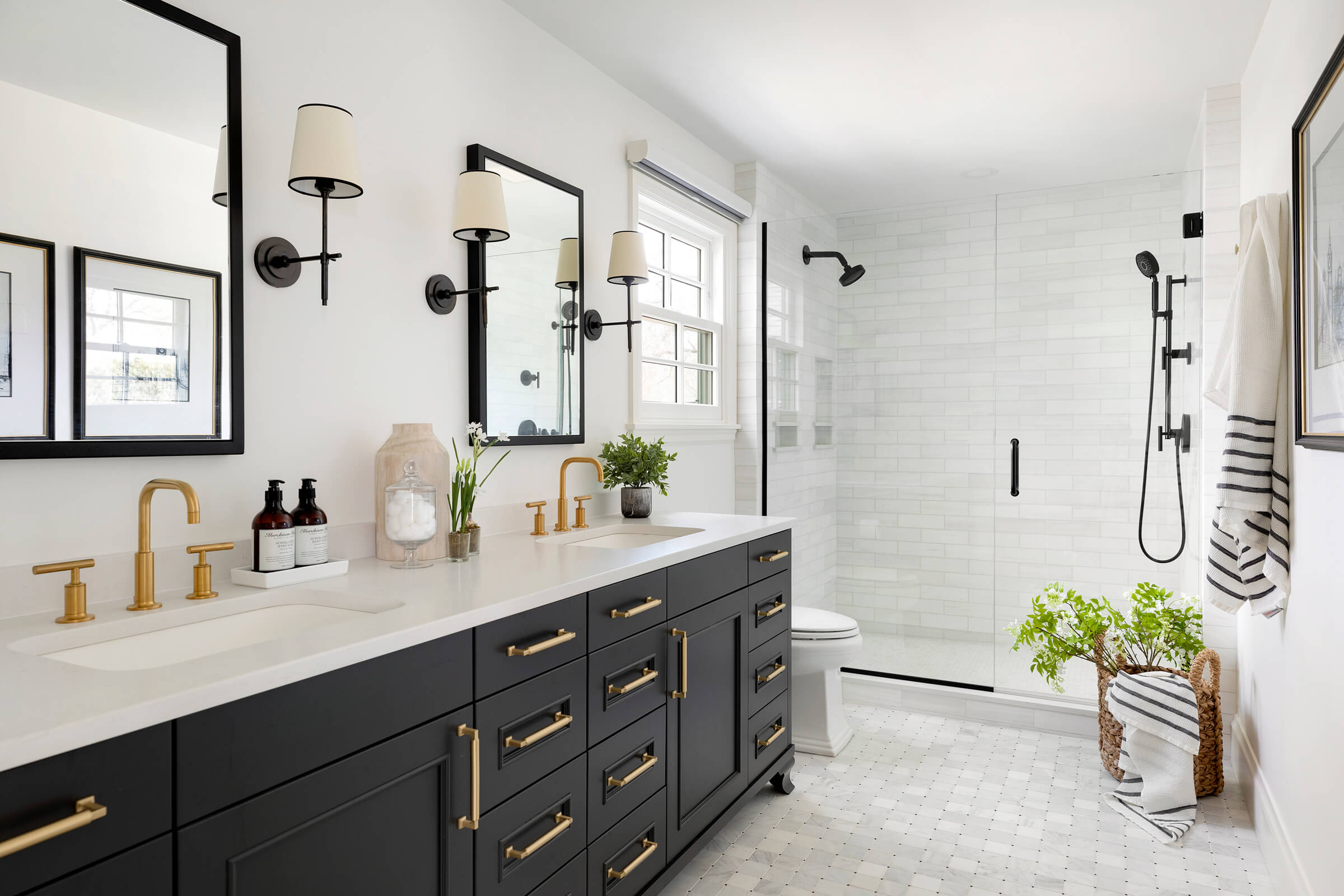
Remodeling a bathroom is one of the most impactful home improvement projects. It can increase property value, improve daily comfort, and modernize your space. Whether you're planning a full overhaul or a simple refresh, careful planning makes all the difference. This guide covers remodel types, cost comparisons, budgeting, material selection, and common challenges to help you succeed.
Types of Bathroom Remodels
Small Bathroom with Soaker Tub and Shower
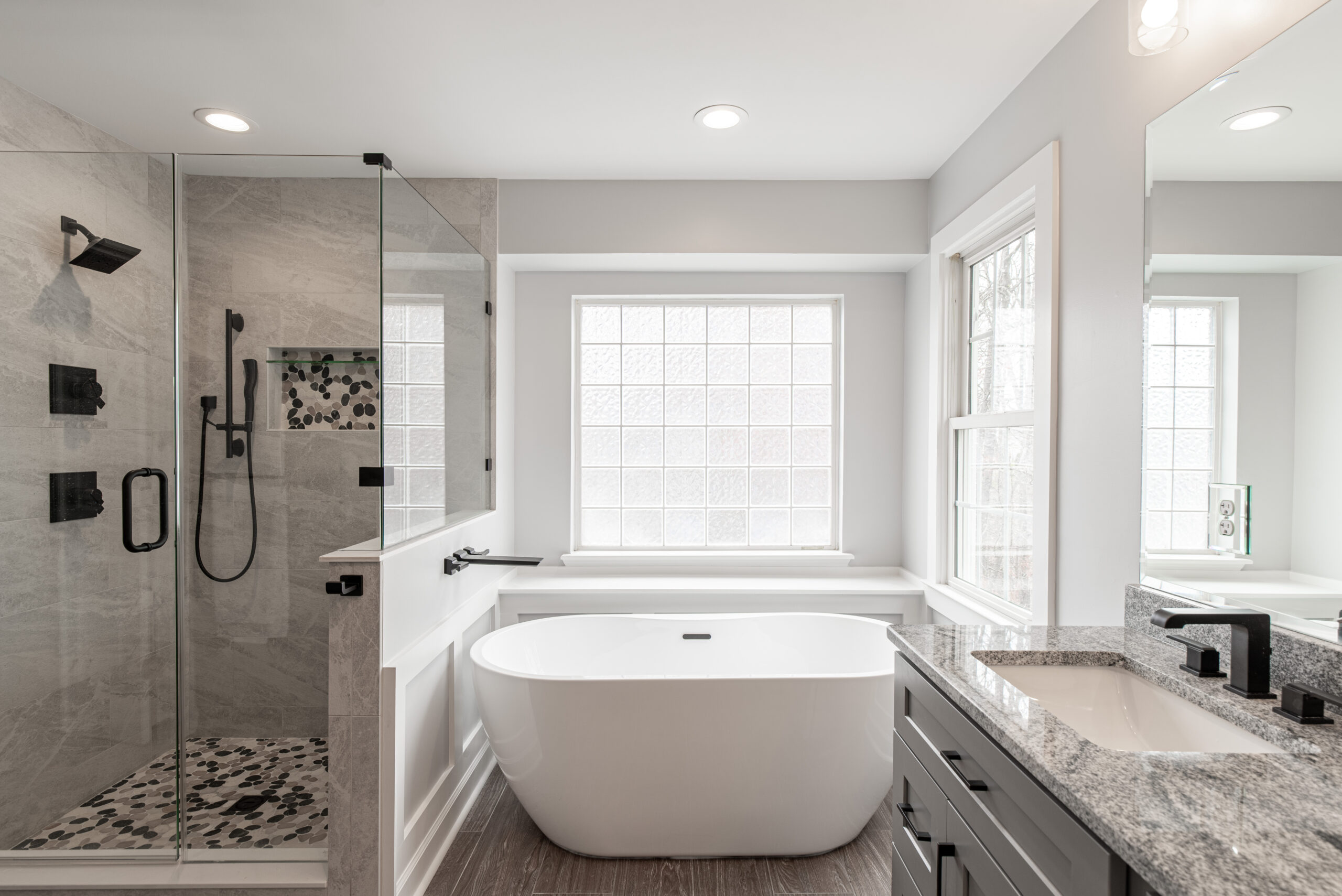
In compact spaces, combining a soaker tub and a shower requires smart design. Choose compact fixtures that preserve comfort without crowding. Glass partitions keep the room feeling open while defining wet areas. Vertical storage units maximize floor space.
Walk-In Tub and Shower Combinations
Walk-in tubs enhance safety for people with limited mobility. Pair them with non-slip flooring, grab bars near the entry, and adjustable showerheads to accommodate various heights. These features create a safer, more accessible bathing experience.
Bathtub-to-Shower Conversions
Converting a tub to a shower is a popular choice for saving space and improving accessibility. Showers take up less room and are easier to enter than bathtubs. Below is a cost comparison based on HomeAdvisor data:
| Feature | Bathtub Conversion | Shower Conversion |
|---|---|---|
| Average Cost | $3,000 – $4,500 | $1,200 – $3,600 |
| Time Required | 2–3 weeks | 1–2 weeks |
| Accessibility Features | Moderate | High |
Bathroom Modifications for Elderly Users
For seniors, low-threshold entries and built-in seating are critical. Install grab bars and handheld showerheads to make bathing safer and more comfortable. These changes can greatly improve independence and peace of mind.
Practical Planning Tips
Budgeting Your Remodel
Homeowners typically spend between $5,000 and $15,000 on a bathroom remodel. Include materials, labor, permits, and a contingency fund for unexpected issues. Good budgeting prevents mid-project surprises.
Choosing Durable Materials
Select materials that resist moisture and wear. Porcelain tiles and quartz countertops are excellent choices. Avoid materials that warp or stain easily in humid environments.
DIY vs. Professional Help
DIY can reduce costs, but complex tasks like plumbing or electrical work should be done by licensed professionals. Hiring experts ensures code compliance and high-quality results, though it raises upfront expenses.
Common Remodeling Challenges
Working with Limited Space
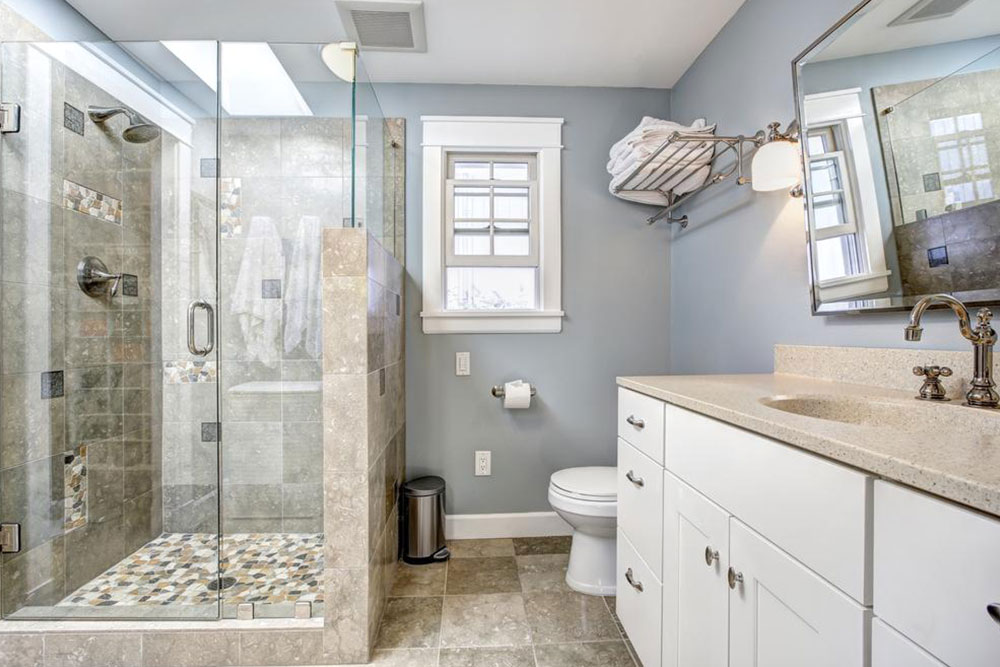
Small bathrooms need creative solutions: wall-mounted sinks, corner showers, and large mirrors to create depth. Light colors and good lighting make the room feel larger.
Plumbing Delays
Old plumbing can cause unexpected delays. Consult a plumber before demolition to plan rerouting and avoid costly mistakes.
Frequently Asked Questions
How long does a bathroom remodel take? Minor updates may take two weeks; major renovations often require four to six weeks.
Can I live at home during the renovation? Yes, but expect noise and dust. Some homeowners prefer to stay elsewhere during heavy demolition phases.
Is hiring a designer necessary? Not required, but a designer can help with layout, material selection, and visualizing the final space, saving time and reducing mistakes.
Conclusion
A bathroom remodel is a rewarding project that enhances daily living and adds home value. By understanding different remodel types, setting a realistic budget, choosing quality materials, and preparing for challenges, you can create a beautiful and functional space. Whether you choose a walk-in tub, a shower conversion, or a complete redesign, careful planning is the key to success.