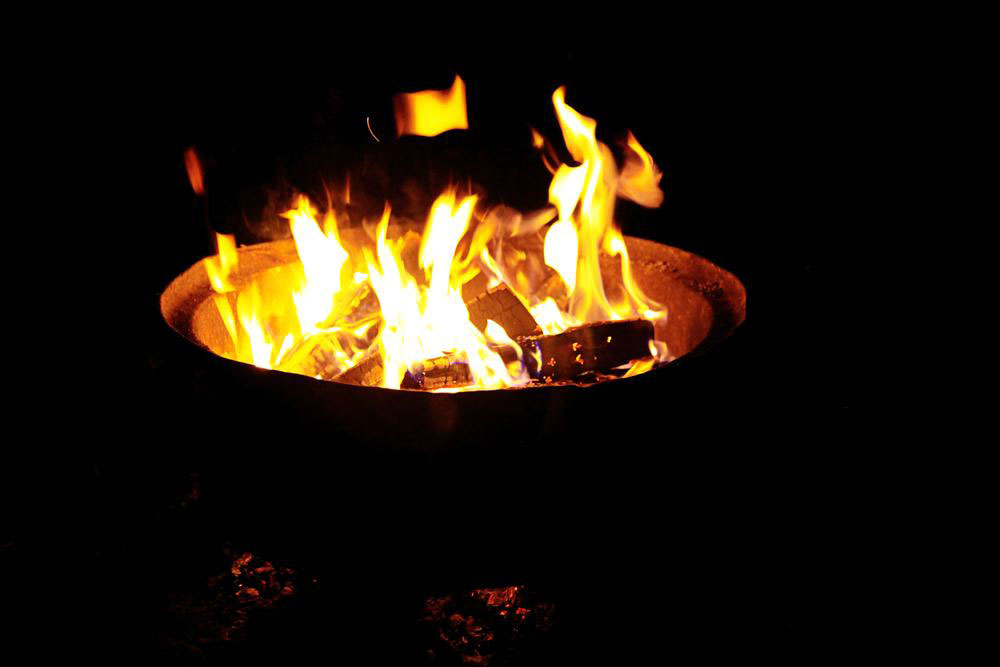
Ultimate Guide to Selecting the Ideal Gas Fire Pit for Your Outdoor Space
Choosing the perfect gas fire pit involves understanding key factors like fuel compatibility, burner size, safety features, and design options. This comprehensive guide explains how to select the best fire pit tailored to your outdoor space, ensuring safety, efficiency, and aesthetic appeal for comfortable outdoor gatherings year-round.
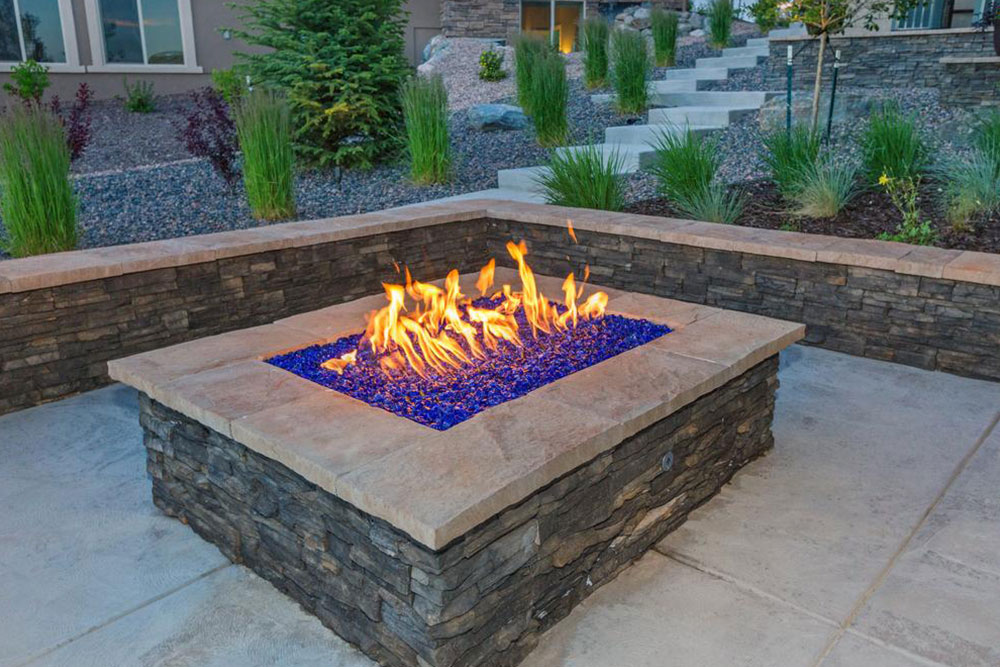
Ultimate Guide to Selecting the Ideal Gas Fire Pit for Your Outdoor Space
Transforming your outdoor area into a cozy, inviting retreat often involves adding a stunning focal point, and nothing does this quite like a gas fire pit. These elegant and functional features blend warmth, ambiance, and style seamlessly, making them a popular choice for patios, gardens, and outdoor lounges. Whether you're seeking a heating solution or a decorative element, understanding how to select the right gas fire pit is crucial for safety, efficiency, and aesthetics.
Gas fire pits come in a variety of shapes, sizes, and materials, including concrete, metal, stone, or combinations thereof. They operate using fuels such as natural gas, propane, or bioethanol, offering versatility and convenience. However, choosing the perfect unit requires a thorough understanding of several essential factors. This comprehensive guide will walk you through each critical aspect to help you make an informed decision and create a stunning outdoor feature you’ll enjoy for years to come.
Here are the key considerations to keep in mind when selecting the ideal gas fire pit:
Gas Source Compatibility and Supply
One of the first steps is determining the type of fuel your outdoor setup can accommodate. Gas fire pits primarily operate using natural gas or propane, each requiring specific supply configurations. Natural gas is often supplied through your home’s existing gas lines and is a popular choice for permanent installations, offering a continuous fuel source. Propane, on the other hand, is stored in tanks and offers portability, making it suitable for outdoor spaces where permanent connections are not feasible.
Ensure your chosen fire pit’s burner specifications align with your gas source. Natural gas systems typically operate at a pressure between 3.5 to 7 inches of water column, while propane systems require higher pressures, usually between 8 to 11 inches. Mismatched specifications can lead to inefficient combustion or safety issues. Consulting with a professional installer or conducting thorough research on compatibility ensures safe and optimal operation.
Choosing the Right Burner: Size and Shape
The burner is the heart of your gas fire pit, directly impacting its appearance, performance, and safety. When selecting a burner, consider its size relative to your fire pit’s interior dimensions. A general rule of thumb is to choose a burner that is at least 6 inches smaller than your interior diameter or width to allow for proper installation, ventilation, and aesthetic proportion.
Burners come in various shapes—round, rectangular, or custom designs—each suited to different fire pit styles. The shape influences flame pattern and overall visual appeal. A well-chosen burner ensures a consistent flame, efficient fuel usage, and a balanced look, ultimately delivering a captivating fire display that enhances your outdoor ambiance.
Fire Pan Selection and Design
Fire pans act as a safety barrier and drainage system, especially when using propane. They prevent spills and facilitate proper venting and water runoff, extending the lifespan of your fire pit. Fire pans are available in flat or bowl styles, offering flexibility to match your design preferences and functional needs.
Flat fire pans are ideal for minimalist designs and cautionary safety, while bowl-shaped pans can create a more traditional or rustic appearance. Selecting the right fire pan not only ensures safety but also impacts the overall look and feel of your installation. Proper sizing, based on your fire pit’s dimensions and the chosen media, guarantees safety and aesthetic harmony.
Ventilation and Flange Considerations
Safety is paramount when installing a gas fire pit. Adequate ventilation reduces the risk of gas accumulation and ensures complete combustion. Incorporating properly designed openings, such as two 18-square-inch vents, allows fresh air to circulate and maintains proper airflow. Additionally, using flange extensions equipped with shut-off valves simplifies installation, maintenance, and emergency shut-off procedures.
The thickness of your fire pit enclosure is also vital. It should not exceed three inches to facilitate proper ventilation and heat dissipation. Ensuring these specifications are met minimizes safety hazards and promotes reliable performance.
Installation Accessories and Fire Media Choices
Completing your fire pit setup involves selecting suitable accessories and fire media. Installation collars tailored to various shapes and sizes make setup more straightforward, ensuring stability and ease of use. For visual enhancement, fire media such as lava rocks, fire glass, or faux logs can be added. These media not only add aesthetic appeal but also improve flame visibility and heat distribution.
When choosing fire media, consider coverage area and recommended depth—generally 2 to 4 inches—to achieve the desired effect without obstructing airflow or flame pattern. Properly selected media will elevate your fire pit’s visual impact while maintaining safety and efficiency.
In conclusion, selecting the right gas fire pit involves careful consideration of the fuel source, burner size and shape, safety features, installation accessories, and decorative media. By paying attention to each element, you can create a stunning, safe, and efficient outdoor feature that provides warmth and ambiance for outdoor gatherings, relaxing evenings, and year-round enjoyment. Proper installation by professionals further enhances safety and performance, ensuring your investment provides lasting beauty and functionality for years to come.