Comprehensive Guide to Designing Your DIY Gas Fire Pit: Tips and Safety Measures
Transform your backyard with a custom DIY gas fire pit. This comprehensive guide covers essential safety tips, construction ideas, and practical advice on choosing the right fuels and materials. Learn how to select the perfect location, follow safety regulations, and style your fire pit with beautiful finishes like fire glass and decorative stones. Whether you seek coziness or aesthetic appeal, creating your own gas fire pit is easier than you think with proper planning and DIY skills. Discover expert tips and step-by-step guidance to craft a safe, functional, and eye-catching outdoor feature that enhances your outdoor living space year-round.
Comprehensive Guide to Designing Your DIY Gas Fire Pit: Tips and Safety Measures
Creating a customized gas fire pit in your backyard environment can significantly enhance your outdoor living space, offering warmth, ambiance, and a perfect setting for social gatherings during cooler evenings. Whether you're aiming to extend outdoor usability during winter months or simply want a cozy feature for gatherings, a well-designed gas fire pit can become a focal point in your backyard. Investing time and effort into planning and constructing your own fire pit allows for personalization in style, size, and features, which can perfectly complement your outdoor décor.
However, before embarking on your DIY project, it's essential to understand the key considerations involved in designing a safe, functional, and aesthetically appealing gas fire pit. Proper placement is crucial—select a location that is away from flammable materials like dry leaves, wooden structures, or overhanging branches. Placement should also ensure easy access to gas connections and be in a spot that provides comfortable accessibility for maintenance and use. Remember, although gas fire pits don't produce sparks or embers like wood-burning ones, high heat can still damage nearby surfaces such as vinyl siding, wooden decks, or plastic fixtures, so protective measures should be considered during installation.
Gas fire pits typically operate using propane or natural gas, providing consistent and controllable heat sources. Several kits on the market facilitate easy conversion or installation, empowering DIY enthusiasts to customize their units easily. Propane-powered fire pits are highly portable; they use small, refillable tanks that can be moved around as needed. On the other hand, natural gas fire pits can be connected directly to your home's existing gas line, which offers an economical and continuous fuel supply, ideal for long-term outdoor setups. Always ensure compliance with local safety regulations concerning open flames and gas installations, and consider consulting professionals if you're unsure about the installation process or safety standards.
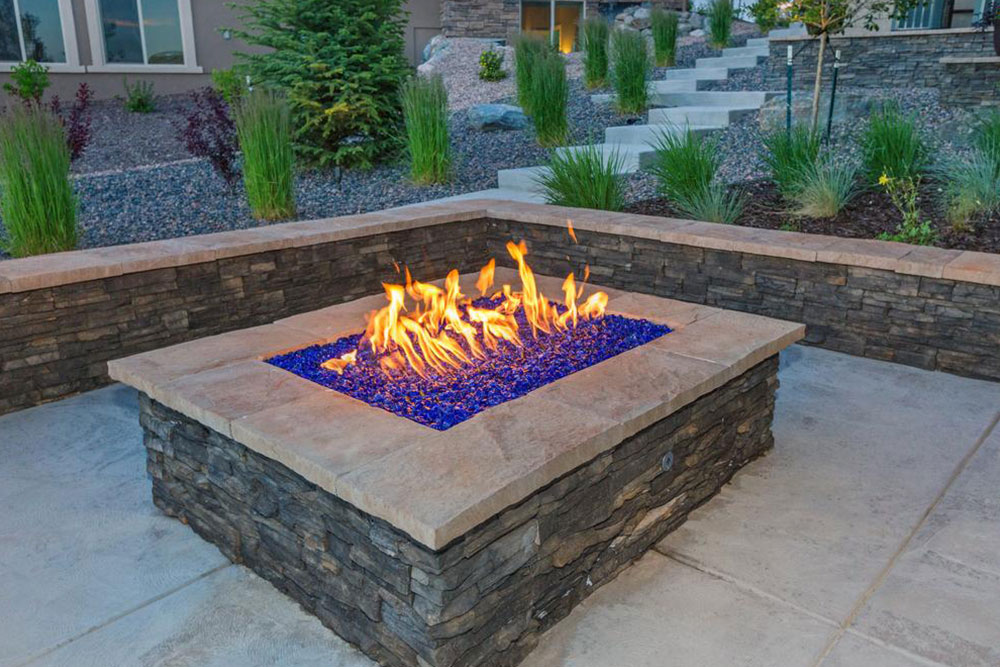
Constructing a gas fire pit can be straightforward when using drop-in kits that are designed for easy installation. These kits often come in bowl-shaped designs, providing a sleek and modern look. The construction process involves creating an enclosure or frame, which can be built using bricks, concrete pavers, or cinder blocks—materials that are durable and heat-resistant. For added aesthetic appeal, consider using stylish frames made from powder-coated steel, which can be finished with various decorative elements such as tiles, bricks, mortar, or natural stones. When selecting burner units, choose those compatible with your fire pit size and style, and ensure they are rated for outdoor exposure and high heat. Filling the fire pit with appropriate media such as fire glass, lava rocks, or ceramic kiln chips enhances both heat distribution and visual appeal. Fire glass is particularly popular for its vibrant colors and reflective properties, adding a stunning visual effect while providing efficient heat output. Avoid using river rocks or regular stones, as they may contain trapped moisture that can crack or even explode under high heat conditions, posing safety hazards.