Comprehensive Overview of Medical Conditions Associated with Osteoporosis and Bone Degeneration
This comprehensive article explores the top medical conditions associated with osteoporosis and bone degeneration. It covers autoimmune diseases like rheumatoid arthritis and lupus, metabolic disorders such as diabetes, medication effects from asthma treatments, and thyroid imbalances. Understanding these conditions and their impact on bone health is essential for prevention and effective management. The piece emphasizes personalized treatment approaches, lifestyle modifications, and early diagnosis to prevent fractures and improve quality of life. Aimed at healthcare professionals and individuals at risk, it offers valuable insights into maintaining strong bones throughout aging.

In-Depth Analysis of Medical Conditions Linked to Osteoporosis and Bone Weakening
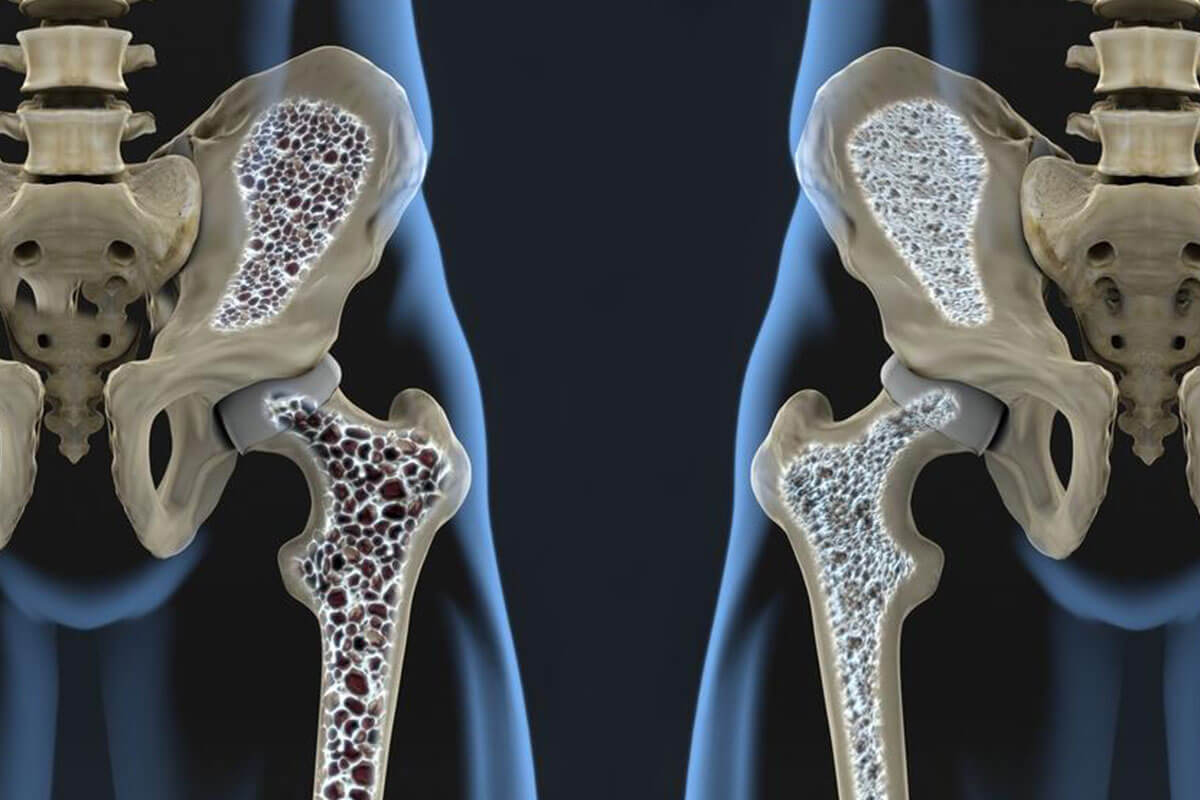
Osteoporosis is a condition characterized by weakened bones that are more susceptible to fractures. It primarily results from an imbalance in the process of bone remodeling, where bone resorption outpaces bone formation. This imbalance can be influenced by a variety of health issues, environmental factors, and medications. Recognizing the medical conditions that predispose individuals to osteoporosis is essential for effective prevention, early diagnosis, and targeted management strategies.
Bones are dynamic tissues that are constantly undergoing renewal, incorporating new minerals and cellular components to maintain strength and integrity. When this process goes awry—due to increased bone breakdown or decreased formation—bones become porous, brittle, and more prone to fractures. Globally, over 200 million women suffer from osteoporosis, reflecting its widespread impact. The risk increases with age and is particularly high among white and Asian populations. Often, osteoporosis progresses silently in its early stages, with symptoms only appearing once fractures occur, including back pain, spinal deformities, and postural changes.
Understanding the risk factors—such as age, gender, body genetics, lifestyle choices, and nutritional habits—is crucial for prevention. A tailored approach involving medication, diet modifications, and lifestyle changes can significantly reduce fracture risks. Insight into the medical conditions that influence bone health enables healthcare providers to design personalized treatment plans that improve patient outcomes.
Many health disorders either directly impact bone density or do so indirectly through the medications used in treatment. These include autoimmune diseases, metabolic disorders, and hormone imbalances, all of which can accelerate bone loss if not properly managed. Recognizing and addressing these conditions early can prevent severe deterioration of bone strength and reduce the incidence of fractures.
Autoimmune Diseases: Rheumatoid Arthritis and Systemic Lupus Erythematosus
Autoimmune conditions such as rheumatoid arthritis (RA) and systemic lupus erythematosus (SLE) involve the immune system attacking the body's own tissues, including bones. These diseases often cause chronic inflammation that can impair bone formation and increase resorption. In the United States, millions of individuals are affected by these conditions, which can hinder bone development during crucial growth periods. Dr. Beatrice Edwards from Northwestern University emphasizes that diseases disrupting bone health during early adulthood significantly elevate the long-term risk of osteoporosis.
Diabetes Mellitus
Among metabolic disorders, diabetes mellitus—particularly type 1 diabetes—has a notable impact on bone health. Elevated blood glucose levels interfere with the normal process of bone formation, especially since type 1 diabetes typically manifests during childhood or adolescence. This interference results in reduced peak bone mass, leaving individuals more vulnerable to osteoporosis and fractures later in life. Managing blood sugar levels and monitoring bone density become vital components of care for diabetic patients.
Asthma and Its Role in Bone Health
Asthma itself does not directly cause bone loss; however, the medications used to control asthma—mainly corticosteroids—are known to weaken bones over prolonged use. Corticosteroids suppress inflammation but also inhibit bone formation and increase resorption, leading to decreased bone density. For individuals on long-term corticosteroid therapy, regular bone health assessments and preventive measures such as calcium and vitamin D supplementation are recommended to mitigate bone deterioration.
Thyroid Disorders: Hyperthyroidism
Excess production of thyroid hormones, as seen in hyperthyroidism, accelerates the bone remodeling cycle. Initially, this increased activity may lead to a temporary increase in bone turnover, but over time, the balance shifts toward net bone loss. As aging reduces the body's capacity to replace degraded bone, individuals with hyperthyroidism become increasingly susceptible to osteoporosis. Proper management of thyroid function is essential to preserve bone mass and prevent fractures.
Additional conditions, including multiple sclerosis, celiac disease, and certain hormonal imbalances, also play roles in accelerating bone deterioration. Recognizing these risk factors allows patients and healthcare providers to adopt proactive lifestyle modifications—such as adequate vitamin D and calcium intake, regular weight-bearing exercise, and avoiding smoking and excessive alcohol consumption—that help maintain bone strength and prevent osteoporosis.