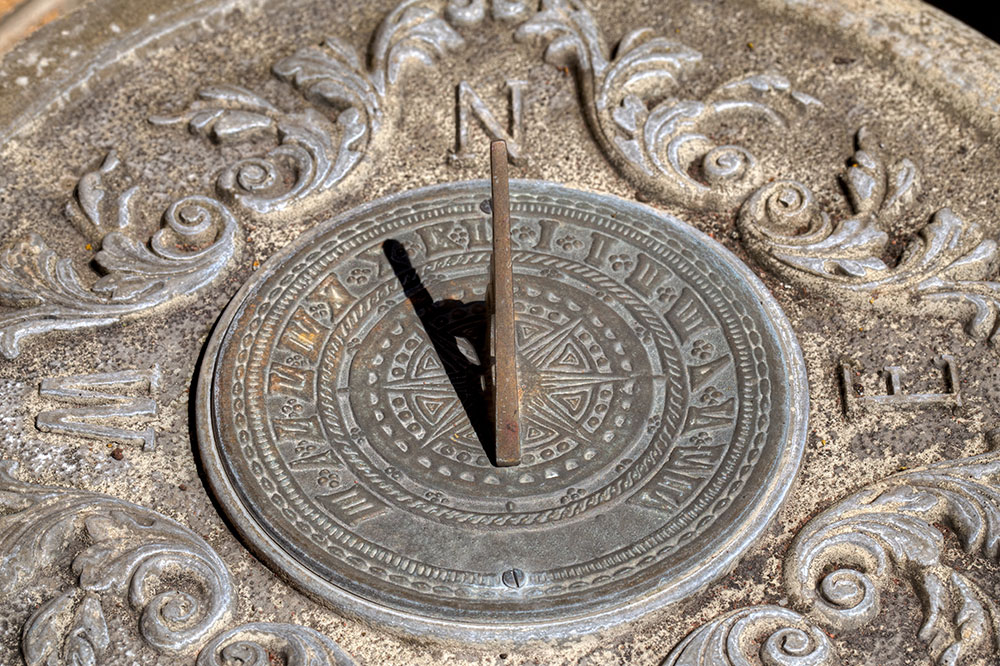
Comprehensive Exploration of Sundials: Their History, Mechanics, and Modern Uses
Explore the rich history and intricate mechanics of sundials, discovering how these ancient yet timeless devices shaped our understanding of time. Learn about the different types, design principles, and modern uses of sundials, highlighting their ongoing cultural and educational significance in today’s world.
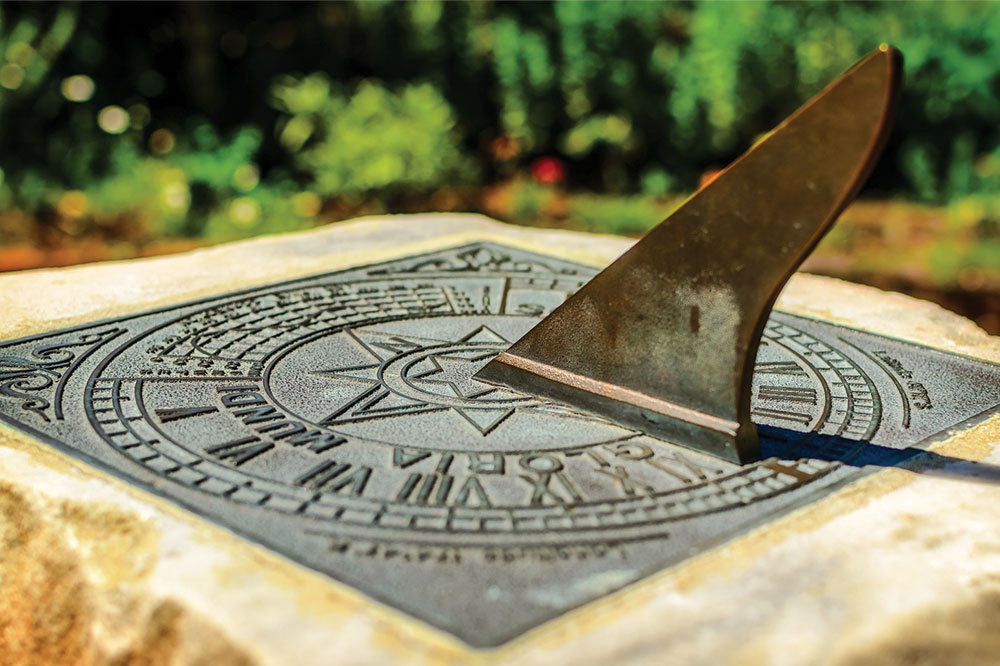
Throughout the ages, sundials have stood as one of the earliest and most fascinating tools for measuring time based on the apparent position of the sun. These ancient devices not only reflect human ingenuity but also illustrate the evolution of timekeeping from primitive shadow-casting devices to intricate outdoor installations. Originating thousands of years ago in Egypt around 1500 BCE, early sundials were simple yet effective, serving as vital tools for ancient civilizations to organize their daily activities and rituals. Over centuries, sundials evolved, incorporating various design features to improve accuracy and usability, leading to the sophisticated forms we see today.
Ancient Egyptian sundials, often called shadow clocks, used the movement of the shadow cast by a vertical stick or object (known as the gnomon) to indicate the time of day. The earliest models were incredibly simple, typically a horizontal or vertical stick embedded in the ground. As civilizations advanced, so did the understanding of solar movement and the importance of precise measurements. By the time of the Greek and Roman periods, considerable enhancements had been made, including the creation of portable sundials and more accurate markings to account for the shifting position of the sun throughout the year.
One of the key innovations in sundial technology was the development of the analemmatic dial, which allowed users to adjust the gnomon based on the date, thereby providing more accurate readings throughout the seasons. Similarly, the introduction of declination angles in design improved their precision. The two main categories of modern sundials are azimuth and altitude sundials. Azimuth sundials rely on the sun’s position along the horizon, measuring the shadow's angle relative to a fixed point, while altitude sundials measure the sun’s height in the sky. Each type uses specific calculations based on solar angles to determine time accurately.
Despite the advent of mechanical clocks and electronic devices, sundials retain their allure as decorative and educational tools. Today, many outdoor gardens, parks, and historical sites feature decorative sundials that serve as aesthetic focal points while also educating visitors about solar movement and ancient timekeeping methods. Their simplicity and elegance continue to inspire modern designers who merge classical aesthetics with contemporary landscaping. It's important to note that sundial accuracy is heavily dependent on geographic location, the season, and the precision of the sundial's design. Factors such as latitude, longitude, and the tilt of Earth's axis influence how well a sundial can tell time.
The basic principle of a sundial is its shadow-casting gnomon, which, when aligned correctly with the Earth's rotational axis, casts a shadow that moves predictably throughout the day. At noon, the shadow is typically the shortest, pointing directly north or south, depending on the hemisphere. As the sun travels across the sky, the shadow lengthens and shortens, providing a visual representation of the passage of time. Modern sundials often incorporate engraved hour lines to facilitate easy reading, and some are equipped with adjustable features to accommodate different latitudes and seasonal variations.
Besides their historical and aesthetic significance, sundials also serve as excellent educational tools for understanding the Earth's rotation, solar angles, and the importance of celestial bodies in timekeeping. They highlight how ancient civilizations relied on natural cues to organize their daily lives long before mechanical clocks were invented. Today, sundials continue to fascinate enthusiasts, students, and architects who appreciate their blend of science, art, and history. As renewable, low-energy devices, sundials also remind us of sustainable approaches to technology—using the sun's natural energy without any additional power source.
In summary, sundials represent a remarkable chapter in the human story of understanding and measuring time. From their humble beginnings in ancient Egypt to their decorative and educational presence today, they embody the enduring relationship between humans and the natural world. Whether as practical tools in ancient times, artistic garden features, or educational devices, sundials remain a testament to human curiosity and ingenuity—a beautiful convergence of science, history, and art that continues to inspire.