Comprehensive Guide to Popular Types of Sundials and Their Features
Explore the diverse world of sundials with our detailed guide, covering types like horizontal, vertical, equatorial, and polar sundials. Learn how these classic timepieces work and find the perfect sundial for your garden or outdoor space, blending science, art, and history seamlessly.
Comprehensive Guide to Popular Types of Sundials and Their Features
Sundials have served humanity for centuries as reliable tools for measuring time by harnessing the sun's position in the sky. Their historical significance and elegant design have made them popular not only as functional devices but also as decorative pieces that enhance outdoor spaces. From ancient civilizations to modern garden ornamentation, sundials embody a blend of science, artistry, and craftsmanship.
Many enthusiasts, homeowners, and hobbyists enjoy creating their own sundials at home, exploring the science behind solar movements and experimenting with different designs. Whether used as educational projects or as aesthetic outdoor features, sundials continue to fascinate people of all ages. Modern innovations and a variety of materials mean you can now choose a sundial that perfectly complements your garden or patio, whether you prefer a classic, vintage look or a sleek, contemporary style.
This comprehensive guide explores the most popular varieties of sundials, detailing their structure, functionality, and aesthetic appeal. Understanding the differences among these types allows you to select the ideal sundial for your outdoor decor or personal projects.
Types of sundialsThe market offers an extensive range of sundials, designed in various shapes, sizes, and materials to cater to diverse tastes and architectural styles. From simple DIY models to intricate handcrafted pieces, there is a sundial suitable for every setting. Let’s delve into the four most notable types: horizontal, vertical, equatorial, and polar sundials.
Horizontal Sundial
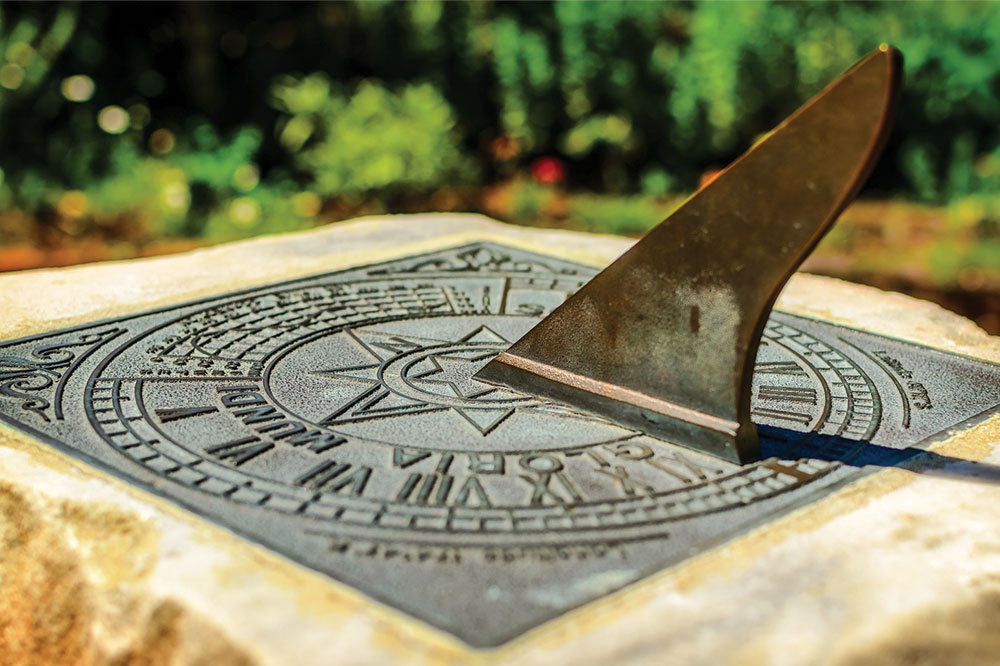
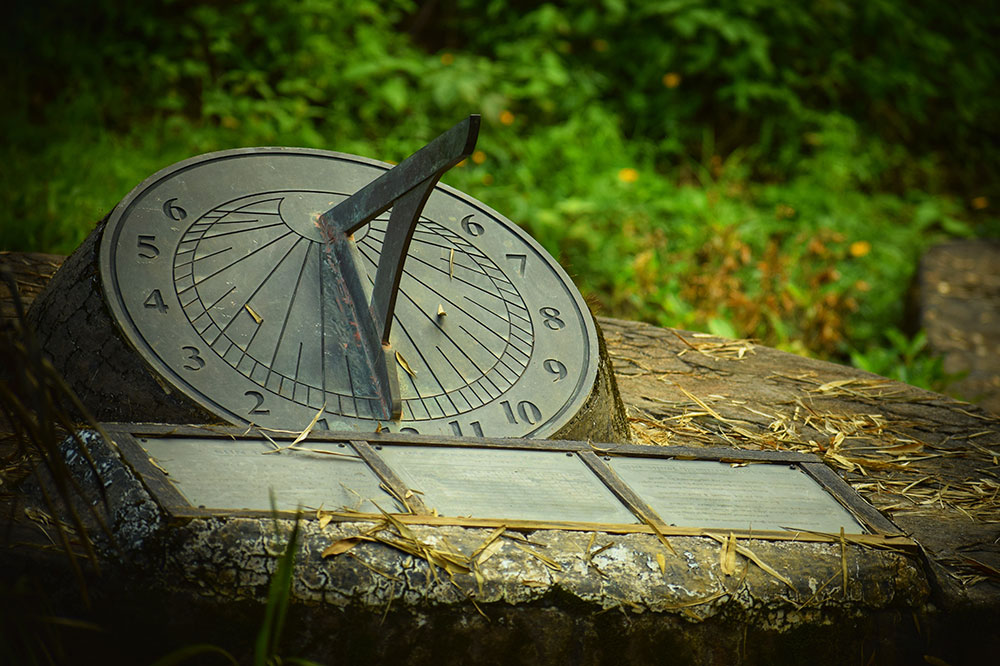
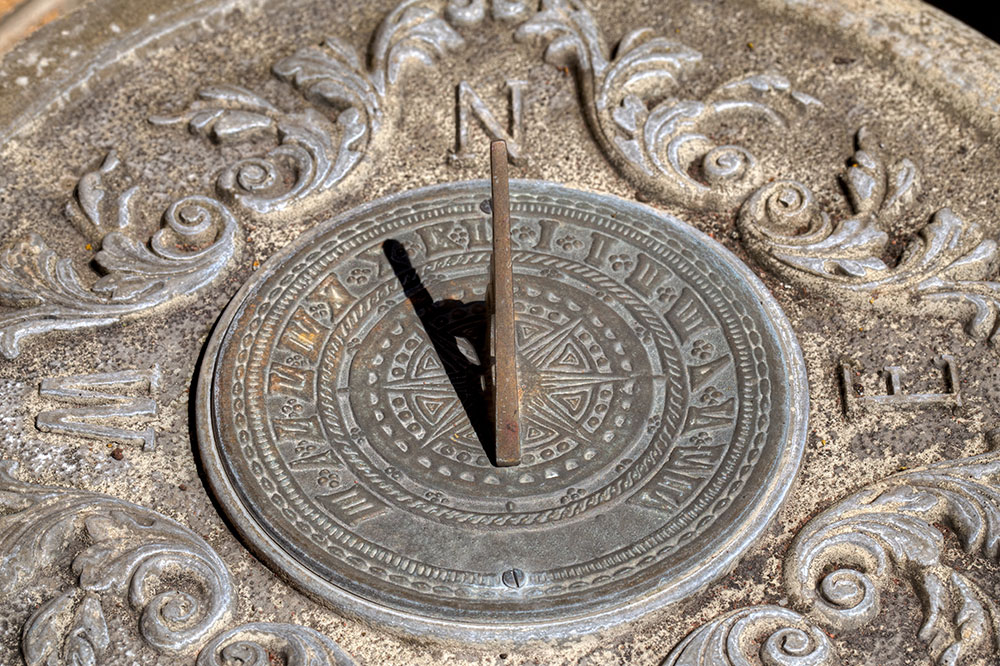
The most familiar and widely recognized type, the horizontal sundial, features a flat, circular dial plate that rests horizontally on a pedestal or mount. This style is often called a garden sundial due to its common placement outdoors in lawns, patios, or flower beds. Its design is simple yet effective, making it a favorite among both amateurs and professionals.
Key components
The horizontal sundial consists of three main parts: the gnomon, which is the upright style or rod casting the shadow; the faceplate, marked with hour lines; and the mounting base. The gnomon is angled so that it points towards the celestial pole, aligning with Earth's rotational axis. As the sun moves across the sky, the shadow cast by the gnomon indicates the solar time by passing over the hour markers.
Vertical Sundial
Vertical sundials are mounted on vertical surfaces such as building walls, particularly prominent on structures like churches, town halls, and historic monuments. Designed for visibility from the ground, they are an excellent way to incorporate solar timekeeping into architectural features.
Design aspects
The face plane of a vertical sundial faces either east or west, depending on its purpose and orientation. The gnomon is inclined and aligned with Earth's axis, and the hour lines are curved, accounting for the changing solar angles throughout the day and year. Vertical sundials are especially effective in urban or historical settings, serving both functional and decorative roles.
Equatorial Sundial
Known also as the "equinoctial dial," this type features a flat, circle or rectangular face positioned parallel to the celestial equator. It simplifies reading time and is favored in educational settings and DIY projects.
Construction and operation
The gnomon of an equatorial sundial is perpendicular to the faceplate and aligned with Earth's rotational axis. When correctly oriented, the shadow of the gnomon falls along the marked hour lines, which are evenly spaced on the surface. Its design makes it easy to understand the relationship between the sun's declination and time, making it an intuitive outdoor instrument.
Polar Sundial
The polar sundial is characterized by a dial plate set parallel to Earth's axis, with the gnomon aligned along the same axis. Unlike other types, it can be constructed on rods, rectangular plates, or even as a part of larger sculptures and installations.
Features and placement
The gnomon is fixed at an angle equivalent to the latitude of the location, ensuring accuracy throughout the year. Hour lines are evenly spaced and parallel, providing a straightforward way to tell time in clear conditions. Because of its unique alignment, polar sundials are particularly suitable for high-latitude regions but can be adapted for various latitudes with proper adjustments.
Choosing the right sundial depends on your intended use, aesthetic preference, and placement environment. Whether you want a functional outdoor timekeeper or a decorative piece that evokes history and science, understanding these types helps you make an informed decision. Modern materials like stainless steel, bronze, or even recycled plastics expand creative possibilities, allowing you to design or select a sundial that complements your garden or architectural style perfectly.
In conclusion, sundials are enduring symbols of the relationship between humanity and the cosmos. Their diverse designs, from traditional to contemporary, make them versatile and meaningful additions to any outdoor space. Embracing these ancient yet timeless devices can enhance your understanding of solar movement and add a touch of elegance to your garden or patio.