Comprehensive Guide to Choosing and Setting Up Your Aquarium for a Healthy aquatic Environment
This comprehensive guide offers essential tips for selecting, setting up, and maintaining a healthy aquarium. From tank size and placement to equipment choices and water management, learn how to create a thriving aquatic environment that ensures the well-being of your fish and enhances your viewing pleasure. Suitable for beginners and experienced hobbyists alike, this article covers all aspects of successful aquarium ownership to help you enjoy a vibrant, balanced aquatic ecosystem.
Comprehensive Guide to Choosing and Setting Up Your Aquarium for a Healthy aquatic Environment
Aquariums are not only a beautiful addition to any space but also serve as an excellent source of entertainment, relaxation, and education. They allow enthusiasts of all ages to observe and learn about marine or freshwater life firsthand, fostering a deeper appreciation for aquatic ecosystems. However, setting up an aquarium involves meticulous planning, ongoing maintenance, and a good understanding of aquatic environment management. Proper management ensures the health and vitality of aquatic creatures while creating an enjoyable viewing experience for owners and visitors alike.
Beyond the initial costs associated with purchasing an aquarium, responsible hobbyists pay close attention to essential factors such as equipment selection, tank size, optimal placement, and water quality. Thoughtful consideration of these aspects leads to a thriving aquatic habitat that minimizes common challenges such as disease outbreaks, algae overgrowth, or equipment failure.
Prior to purchasing an aquarium, potential owners should evaluate several critical factors to ensure a rewarding experience. While the initial investment for an aquarium might appear manageable, costs can quickly escalate once you factor in equipment, fish, water conditioners, and other accessories needed for a proper setup.
The size of the tank must align with the species and quantity of fish you plan to keep. Larger tanks are generally easier to maintain in terms of water stability and fish health, but they require more space and initial investment. The location of the tank is equally vital; it should be placed on a sturdy, level surface away from direct sunlight, drafty windows, or high-traffic areas, which could cause temperature fluctuations and unnecessary disturbances for your aquatic inhabitants.
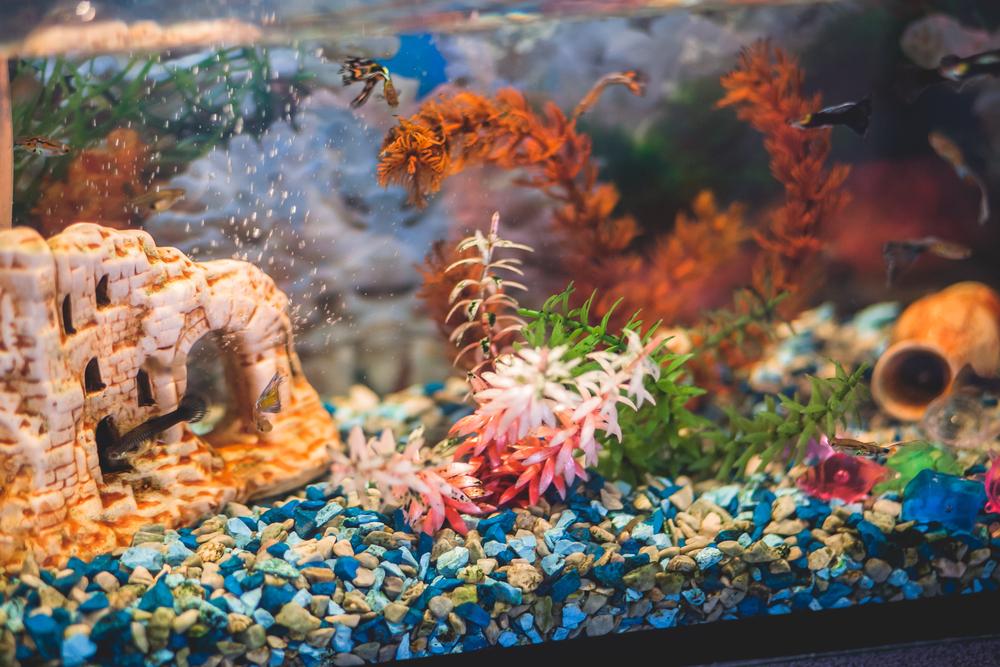
Choosing the right equipment is essential for maintaining a healthy environment. Key items include high-quality filters, reliable heaters, accurate thermometers, suitable lighting, and oxygenation devices compatible with your chosen aquatic species. Incorporating substrates such as gravel or sand, along with live or artificial plants, helps replicate the natural habitat and provides hiding spots and enrichment for fish and invertebrates.
Water quality is perhaps the most critical aspect of aquarium management. It influences the health and longevity of your aquatic life. When selecting fish, consider whether they thrive in freshwater or saltwater conditions, and ensure the tank size is adequate for their needs. Overcrowding not only leads to stress and disease but also complicates maintenance efforts. Proper nutrition, avoiding overfeeding, and administering water conditioners and medications when necessary are essential for preventing illness.
Regular maintenance routines include partial water changes, cleaning of equipment, and monitoring water parameters such as pH, ammonia, nitrite, and nitrate levels. Maintaining appropriate temperature levels and water flow ensures a stable environment. Handle the tank carefully during cleaning or rearrangement tasks—avoid lifting a full tank and ensure all equipment functions properly to prevent accidents. Consistent observation and proactive management foster a healthy, vibrant aquatic ecosystem that provides years of enjoyment.