Comprehensive Guide to Setting Up and Caring for Your Home Fish Tank
This comprehensive guide covers all essential aspects of setting up and caring for a home fish tank. From choosing the right size and equipment to maintaining water quality and ensuring fish health, learn everything you need to create a thriving aquatic environment. Whether you're new to fish-keeping or an experienced hobbyist, discover tips to enhance your fish tank experience and ensure your aquatic pets live happily and healthily right at home.

Comprehensive Guide to Setting Up and Caring for Your Home Fish Tank
Having a fish tank at home can be a rewarding experience that enhances your living space and provides a soothing visual distraction. Many people enjoy observing aquatic life, and caring for fish can be surprisingly relaxing and fulfilling. Fish tanks serve not only as decorative elements but also as a hobby that promotes patience and responsibility. Whether you’re a beginner or an experienced aquarist, understanding the essentials of setting up and maintaining a healthy aquatic environment is critical for your fish's wellbeing.
Pet ownership plays a significant role in improving our overall quality of life. Pets, especially fish, contribute to reducing stress levels, enhancing emotional stability, and fostering a sense of routine and responsibility. Scientific research continues to affirm the mental health benefits linked to maintaining pets, including lower blood pressure, decreased feelings of loneliness, and increased happiness. As such, setting up an optimal home environment for your aquatic pets is vital not only for their survival but also for your personal wellbeing.
Understanding the specific needs of your aquatic pets is crucial. Different fish species have unique habitat requirements that influence aquarium setup. Some fish, such as goldfish, are hardy and thrive in cooler water temperatures, while others, like tropical fish, need a warmer environment maintained through heaters. Knowing the natural habitat of your chosen fish will help you create a suitable environment that promotes their health and longevity.
Research is essential before purchasing fish. Reliable pet stores like Petco, Pet Supplies Plus, or local reputable vendors offer starter kits that include essential components such as filters, heaters, lighting, and care instructions. When buying supplies, prioritize quality products to ensure the safety and health of your fish. High-quality filtration systems, balanced water conditioners, and nutritious food are indispensable in maintaining a clean, safe, and stable aquatic environment.
One of the most critical aspects of fish keeping is selecting the right tank size. The size should not only fit comfortably within your home but also cater to the needs of your fish species. Overcrowding can lead to stress, disease, and poor water quality. Therefore, research the adult size of your fish and plan accordingly. Additionally, proper placement of the tank is essential—avoid spots near loud electronics or direct sunlight, which can cause temperature fluctuations and algae growth.
Proper equipment is vital for a successful aquarium setup. A reliable water pump or filter ensures continuous water circulation and helps maintain water quality by removing waste and excess nutrients. Consider the flow rate; a good rule of thumb is to have a filter that can clean the entire tank volume several times per hour. Noise levels are also worth considering, especially in quiet rooms or bedrooms. An appropriate heater is necessary for tropical fish, which require specific temperature ranges—typically between 24°C to 28°C (75°F to 82°F). Regular maintenance practices, such as partial water changes, algae removal, and monitoring water parameters (pH, ammonia, nitrites, nitrates), are crucial for keeping your fish healthy and happy.
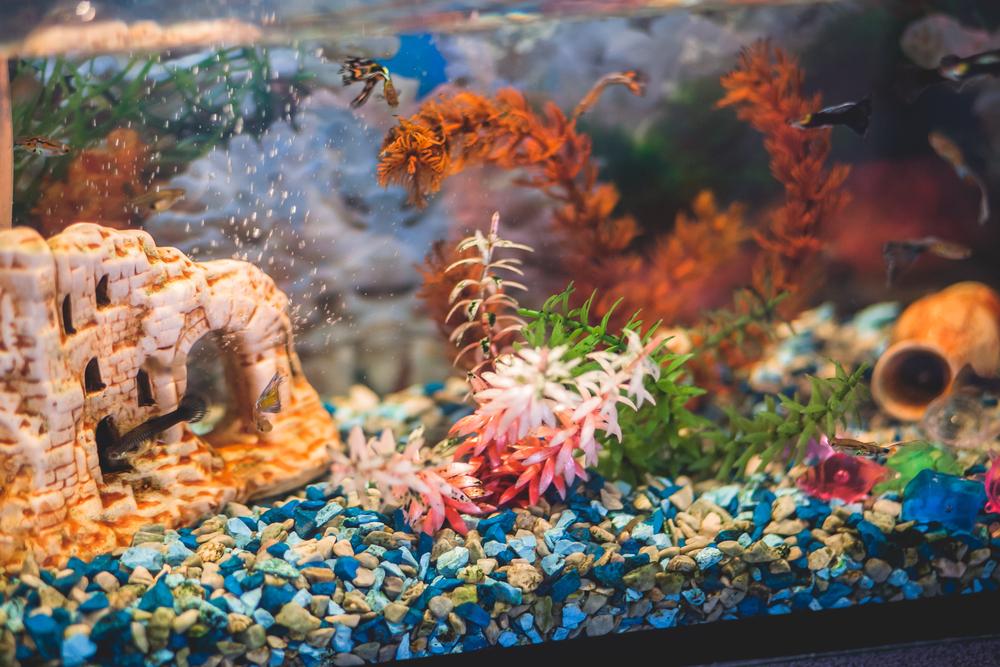
Decorating your fish tank with aquatic plants, rocks, and ornaments not only enhances its aesthetic appeal but also provides hiding spaces for fish, reducing stress. Proper lighting, such as LED or fluorescent lights designed for aquariums, supports plant growth and simulates natural day-night cycles. Consistent feeding schedules with appropriate fish food are necessary to prevent overfeeding and water contamination. Remember, healthy fish require attentive care, regular cleaning, and vigilant monitoring to thrive in their aquatic environment.