Optimizing Bone Density Screening Intervals to Promote Bone Health in Senior Women
This comprehensive article explores the optimal intervals for bone density screening in senior women, emphasizing personalized strategies based on initial bone health status. It highlights recent research findings that suggest extending re-screening intervals for women with mild or normal bone density while recommending more frequent testing for those with severe osteopenia. Implementing tailored screening schedules can significantly improve early detection and prevention of osteoporosis, ultimately reducing fracture risks and enhancing quality of life for older women. The article underscores the importance of individualized assessment considering additional risk factors to optimize bone health management.

Strategic Guidelines for Bone Health Monitoring in Older Women
As women age, their risk of developing osteoporosis—a condition characterized by weakened and fragile bones—increases significantly. This decline in bone strength raises the likelihood of fractures, which can lead to severe health complications, diminished mobility, and reduced quality of life. With millions of women in the United States already affected or at risk, establishing effective screening protocols is vital for early detection and prevention.
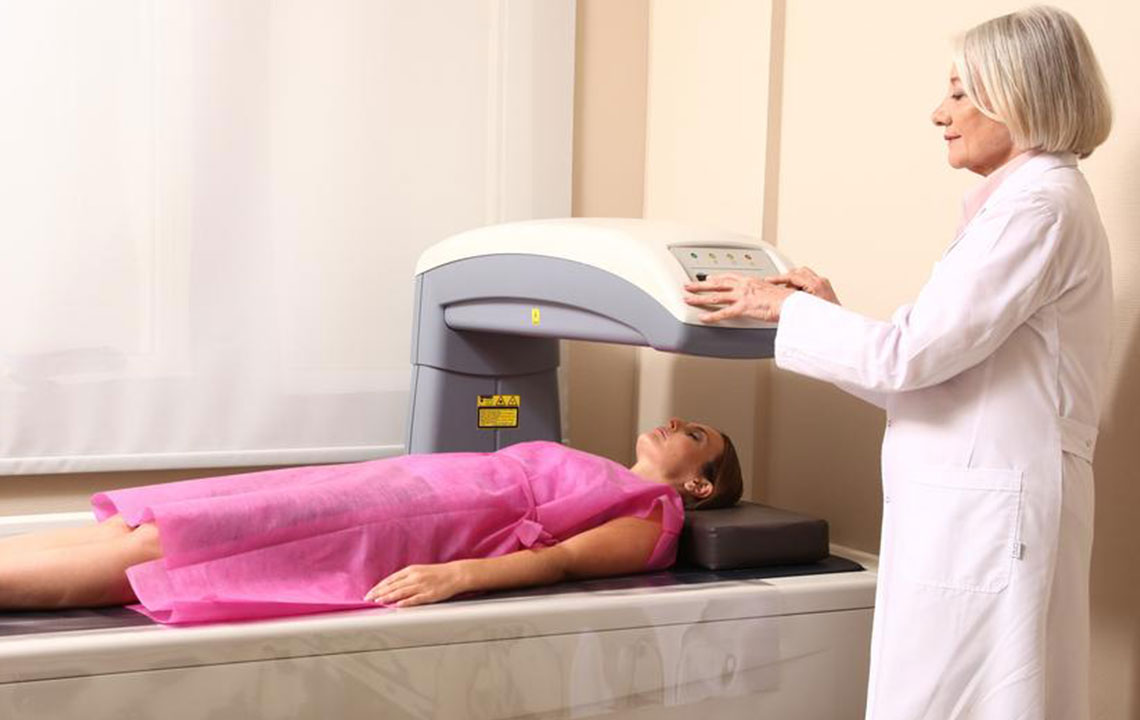
Osteoporosis often develops insidiously, producing no noticeable symptoms until a fracture occurs. Because early detection is crucial, regular screening through bone density tests (also known as dual-energy X-ray absorptiometry or DXA scans) enables healthcare providers to identify individuals with low bone mineral density (BMD). This early diagnosis facilitates timely interventions—whether through medication, lifestyle modifications, or nutritional support—that can significantly reduce fracture risk and enhance long-term bone health.
Current clinical guidelines recommend that women aged 65 and older undergo routine BMD testing to monitor bone health. However, there remains uncertainty regarding the optimal interval for re-screening and ongoing assessment, particularly for women with varying degrees of bone loss. To address this gap, recent research has focused on determining the most effective screening frequency tailored to individual risk profiles, thereby balancing the benefits of early detection against unnecessary testing and healthcare costs.
A landmark study involving 4,957 women aged 67 and above shed light on this issue by examining how frequently women should be re-evaluated based on their initial bone health status. This longitudinal analysis tracked these women over a period of up to 15 years, offering valuable insights into the progression of osteoporosis and the timing of re-screenings.
Participants in the study were stratified into four distinct groups based on their initial BMD results: advanced osteopenia, moderate osteopenia, normal bone density, and mild osteopenia. These groups were evaluated with between two and five BMD assessments throughout the study period, allowing researchers to observe the progression of bone health over time and inform recommendations for future screening intervals.
The findings from this comprehensive study reveal that women with normal bone density or mild osteopenia have a very low risk of progressing to osteoporosis within a 15-year period. Specifically, less than 1% of women in these categories developed osteoporosis over the study duration. This suggests that for these groups, re-screening may not be necessary for up to 15 years, significantly reducing the frequency of unnecessary testing and the associated healthcare costs.
In contrast, women presenting with moderate osteopenia exhibited a slightly higher progression rate, with around 5% developing osteoporosis over 15 years. This indicates the importance of periodic monitoring to ensure timely intervention if their bone health deteriorates. Most notably, women with advanced osteopenia faced a rapid decline, with approximately 10% progressing to osteoporosis within just one year. Such findings underscore the critical need for annual or more frequent screening in women with severe osteopenia to prevent fractures and maintain quality of life.
This nuanced approach to screening frequency can be further refined by considering additional individual risk factors such as advanced age, medical conditions like rheumatoid arthritis or thyroid disorders, medication use (especially corticosteroids), lifestyle factors like smoking or inadequate calcium and vitamin D intake, and family history. Tailoring screening intervals based on these factors ensures that high-risk individuals receive more vigilant monitoring, optimizing preventive strategies.
Implementing personalized screening schedules allows healthcare providers to better allocate resources, minimize patient burden, and enhance early detection efforts. Regular assessment of bone health remains a cornerstone of osteoporosis prevention, but this research provides a clearer framework for determining when re-evaluation is most beneficial, particularly for older women at various stages of bone loss.
In summary, the optimal screening frequency for women aged 65 and older should be individualized. Those with normal or mild osteopenia may safely extend the interval to 15 years, whereas women with moderate osteopenia should consider re-screening every 3 to 5 years. Women with advanced osteopenia require annual assessments to prevent rapid progression to osteoporosis. This tailored strategy promotes better bone health, reduces unnecessary testing, and supports effective osteoporosis management.