Comprehensive Dietary Strategies for Managing Gastrointestinal Stromal Tumors (GIST)
Discover comprehensive dietary strategies for managing gastrointestinal stromal tumors (GIST). This guide offers practical advice on nutrient-rich foods, anti-cancer spices like turmeric, and foods to avoid to support treatment and improve quality of life. Learn how tailored nutrition can complement medical therapies, boost immune health, and aid recovery in GIST patients. Embrace lifestyle changes along with optimal nutrition to effectively manage symptoms and enhance overall wellbeing.
Effective Nutritional Approaches for Gastrointestinal Stromal Tumors (GIST)
Gastrointestinal Stromal Tumors (GIST) are a type of rare cancer that originates within the walls of the gastrointestinal (GI) tract, primarily affecting the stomach and small intestine. Understanding how to support treatment through appropriate nutrition is vital for improving patient outcomes, enhancing quality of life, and strengthening the body's ability to fight the disease. This comprehensive guide explores essential dietary tips, recommended foods, and foods to avoid for individuals diagnosed with GIST, aiming to provide practical advice that complements conventional medical therapies.
The digestive system—comprising the stomach, small intestine, colon, and related organs—plays a crucial role in nutrient absorption and overall health. GIST develops from the interstitial cells of Cajal, which are part of the nervous system governing GI motility. When these cells become cancerous, they cause abnormal growths that can lead to symptoms such as pain, nausea, and digestive disturbances. Medical treatments for GIST include surgical removal, targeted therapies like tyrosine kinase inhibitors, and supportive care. Alongside these, dietary modifications can significantly impact disease management, immune function, and recovery.
Recommended Foods for GIST Patients
Incorporating a Wide Range of Fruits and Vegetables
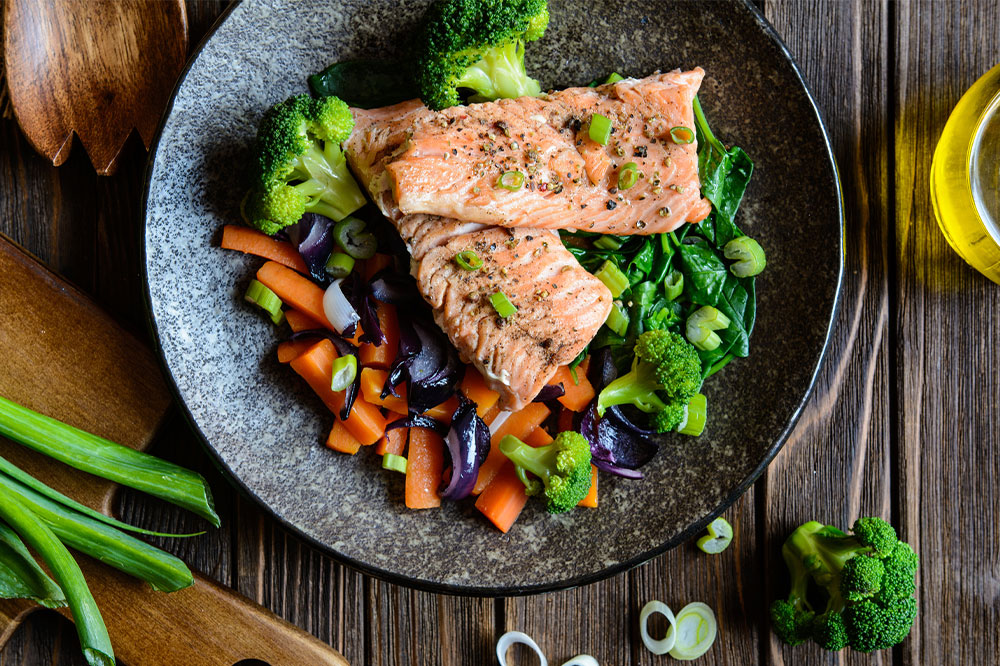
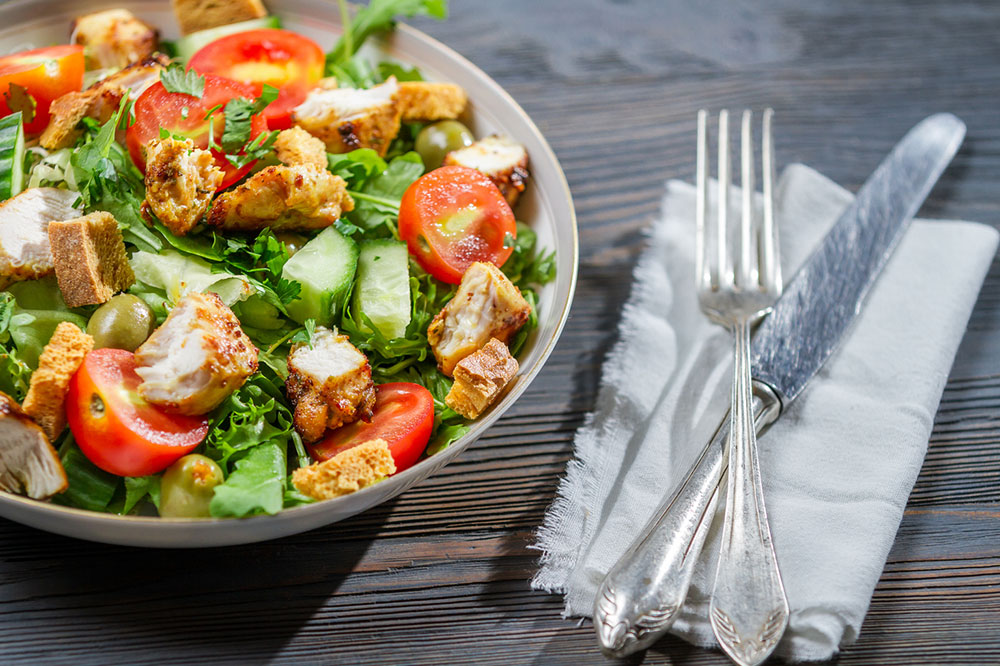
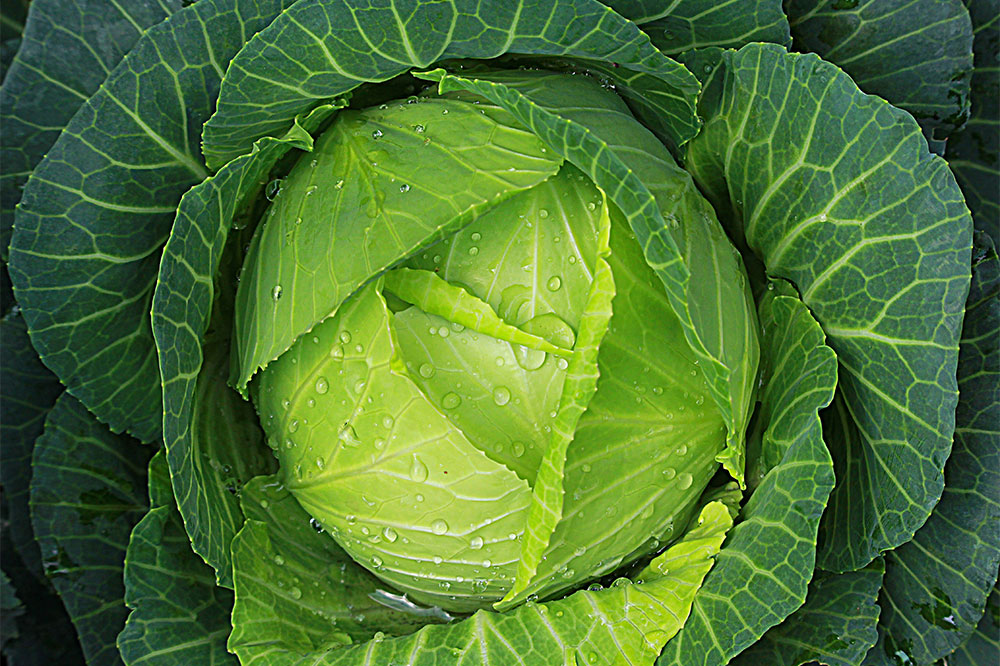
A diet rich in fresh produce provides essential vitamins, minerals, antioxidants, and phytochemicals such as flavonoids and polyphenols. These compounds help combat oxidative stress by neutralizing free radicals, thereby reducing the risk of cancer proliferation. Vegetables like cabbage, bok choy, broccoli, and leafy greens are particularly beneficial due to their high antioxidant content. Fruits such as berries, avocados, and citrus fruits supply vitamin C and other nutrients that support immune health. Consuming a variety of high-fiber foods also promotes healthy digestion and colon health, which is especially important for patients with GI tumors. Consulting with a registered dietitian can help create a personalized meal plan that emphasizes gut-friendly, antioxidant-rich foods tailored to individual needs and preferences.
Spicing Up Your Diet with Turmeric and Curcumin
Turmeric, a vibrant yellow spice, contains curcumin—an active compound renowned for its anti-inflammatory and potential anti-cancer properties. Research suggests that curcumin may inhibit oncogenic pathways involving genes like c-Kit, which play a significant role in GIST progression. Incorporating turmeric into your meals—such as curries, soups, or smoothies—provides a natural way to enhance the body's defense mechanisms against cancer cells. While turmeric is generally safe, it's advisable to discuss with healthcare providers before starting any supplement regimen, especially if you're on medication or undergoing treatment.
Targeted Nutritional Support Through Supplements
Patients with GIST may experience nutrient deficiencies due to impaired absorption, medication side effects, or dietary restrictions. Supplementation with vitamins and minerals, including vitamin B12, iron, vitamin D, and calcium, might be necessary to address these gaps. Oral chewables, liquid supplements, or fortified foods can be convenient options, but should always be taken under medical supervision. Personalized supplement plans can help maintain optimal nutrient levels, supporting overall health, immune response, and treatment outcomes.
Foods to Limit or Avoid for Better GIST Management
Red and Processed Meats
Consuming red meats and processed meats—such as sausages, bacon, cold cuts—has been linked to increased risks of various cancers and can exacerbate digestive issues. Post-surgery, it is recommended to limit or avoid these types of foods. Instead, opt for lean sources of protein, including skinless poultry, fish rich in omega-3 fatty acids, eggs, and plant-based options like legumes and tofu. For individuals intolerant to lactose, soy-based or dairy-free alternatives provide essential protein without digestive discomfort.
Sugar, Junk Food, and Excess Salt
Reducing intake of sugary snacks, candies, soda, and fast foods is crucial for managing inflammation and maintaining gut health. Fast food is often high in unhealthy fats, refined carbohydrates, and salt, which can hinder recovery and worsen gastrointestinal symptoms. Emphasizing whole grains, nuts, seeds, and minimally processed foods supports better digestion, energy levels, and overall well-being. Limiting salt intake from processed foods also helps prevent swelling and hypertension, supporting cardiovascular health—important considerations during cancer treatment.
Adopting a nutrient-dense, balanced diet along with lifestyle modifications such as engaging in regular physical activity, avoiding excessive alcohol consumption, and managing stress can substantially enhance disease management for GIST patients. Maintaining a close partnership with healthcare professionals—including dietitians and oncologists—ensures dietary choices are safe, effective, and tailored to individual health profiles. Remember, nutrition plays an integral role alongside medical therapies and can markedly influence treatment efficacy, recovery speed, and quality of life.