Essential Breathing Techniques to Enhance Your Swimming Performance
Discover essential breathing techniques that can transform your swimming. From maintaining face-down positioning to mastering bilateral breathing and exhalation, this guide provides practical tips to boost your endurance and efficiency underwater. Practice these strategies to achieve smoother, more relaxed swims and elevate your overall performance, whether you’re a beginner or seasoned swimmer. Embrace controlled breathing for a more enjoyable and confident aquatic experience.
Effective breathing is a fundamental aspect of swimming that often gets overlooked by beginners and seasoned swimmers alike. While breathing may seem instinctive above water, managing your breath underwater requires technique and awareness to optimize endurance, efficiency, and comfort. Proper breathing strategies not only reduce fatigue but also improve your overall swimming performance, making your experience in the water more enjoyable and sustainable. In this comprehensive guide, we explore five essential breathing techniques that will elevate your swimming skills, whether you're just starting out or looking to refine your strokes.
1. Keeping Your Face Down in Water
One of the most basic yet vital breathing practices in swimming is maintaining your face submerged during strokes. When you lift your head to breathe, your hips and legs tend to rise, disrupting your streamlined body position and increasing drag. This not only makes breathing more difficult but also hampers your overall efficiency. To master this technique, beginners should practice holding their breath and gently submerging their face into shallow water. This helps develop comfort and confidence with underwater breathing. Over time, consistent practice will make face-down positioning second nature, enabling you to breathe smoothly without breaking your rhythm.
2. Effective Body Rotation for Easier Breathing
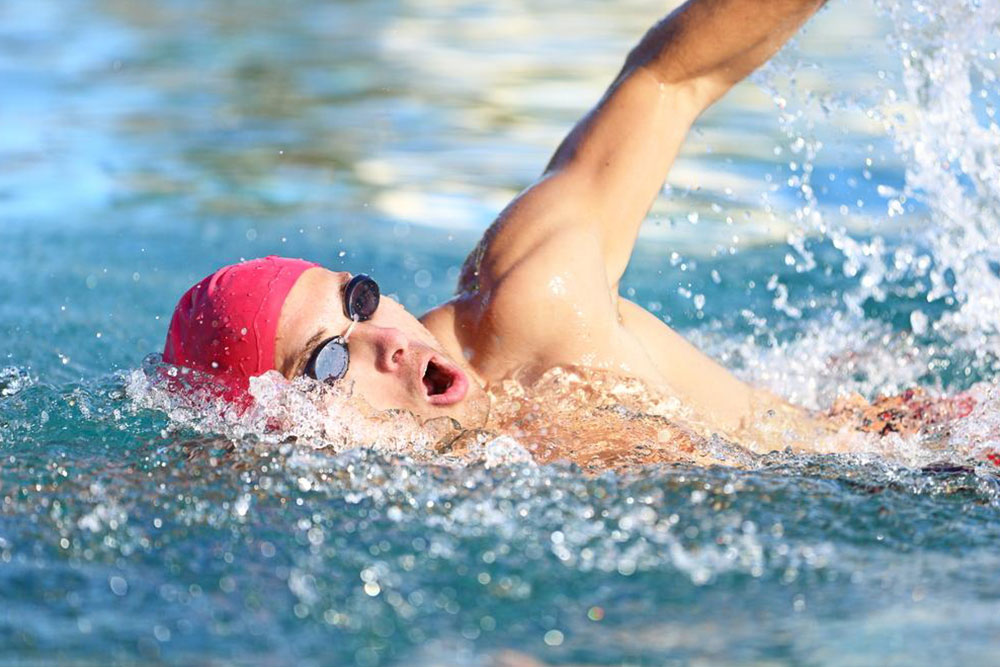
Efficient body rotation plays a key role in effortless breathing. When your torso rotates properly during freestyle or other strokes, it creates the necessary space for inhalation without the need for excessive head movement. A good rotational technique involves rolling your shoulders and hips in a controlled manner, aligned with your stroke. This fluid motion opens the side of your mouth to breathe without disrupting your forward momentum. Poor or uneven rotation can cause awkward breathing patterns and fatigue, while a consistent roll promotes better oxygen flow, reduces strain on your neck, and helps maintain a balanced, rhythmic swim. Practicing drills that focus on smooth rotation enhances your breathing efficiency significantly.
3. Bilateral Breathing for Balance and Symmetry
Many swimmers develop the habit of breathing predominantly on one side, which can lead to muscle imbalance, asymmetry, and decreased stroke efficiency. Bilateral breathing involves alternating the side you breathe on each stroke—every third stroke in freestyle, for example. This balanced approach encourages symmetrical muscle development, improves your overall stroke mechanics, and helps you adapt to various water conditions and race scenarios. Practicing bilateral breathing also improves your mental focus and awareness of your body position, enabling smoother transitions between breaths and more consistent pacing. Incorporate this technique gradually into your training to experience its full benefits.
4. Fully Exhaling and Controlled Breathing Underwater
Many swimmers struggle with exhaling completely underwater, leading to a shallow breath and difficulty inhaling efficiently. To improve breath control, focus on exhaling slowly and fully through your nose or mouth while submerged. This steady exhalation creates a gentle current of air, making inhalation easier and more relaxed when you tilt your head for the next breath. Using a nose plug can help some swimmers exhale more comfortably. Long, relaxed exhales also promote calmness and conserve energy, essential for longer distances. Developing a habit of consistent, complete exhalation helps maintain a steady rhythm and prevents unnecessary breathlessness during your swim.
5. Staying Calm When Water Enters Your Mouth
Accidental water ingestion can be unsettling, especially for novice swimmers. The key is to remain calm and composed. If water enters your mouth, avoid panicking. Instead, gently enunciate the letter 'K', which helps keep your throat closed and prevents water from entering further. Remaining relaxed in such situations not only makes the experience less stressful but also prevents choking or loss of confidence. Practicing calmness and control during these moments builds resilience and prepares you for real-world swimming scenarios, ensuring safer and more enjoyable swimming experiences overall.
Implementing these five breathing techniques can dramatically improve your efficiency and endurance in the water. Proper breath control allows for longer, more relaxed swims with less fatigue, ultimately boosting your confidence and performance. Whether you are a beginner or an experienced swimmer, mastering these strategies will help you achieve a smoother, more powerful stroke. Remember, consistent practice and mindfulness about your breathing patterns are essential to making these techniques second nature. Enjoy your swim and experience the water with improved comfort and ease by prioritizing effective breathing.