Inclusive Swimming Strategies for Visually Impaired Individuals: Enhancing Safety and Confidence in the Water
Discover comprehensive strategies and adaptive tools designed to enhance safety, confidence, and enjoyment for visually impaired swimmers. Learn how tactile cues, sound devices, and assistive techniques empower individuals with visual impairments to participate fully in swimming activities, fostering independence and well-being. Inclusive swimming initiatives promote accessibility and confidence across all age groups, contributing to healthier, more connected communities.
Comprehensive Approaches to Swimming for Visually Impaired Athletes
Swimming is a cherished activity enjoyed by millions worldwide, offering an exceptional combination of physical exercise, relaxation, and skill development. Its health benefits are well-documented, from improving cardiovascular health to enhancing flexibility and reducing stress. Once mastered, swimming becomes a lifelong ability that fosters independence and confidence. However, for individuals with visual impairments, engaging in aquatic activities can pose unique challenges, making tailored strategies essential to ensure safety and enjoyment.
While many people recognize swimming's advantages, there's a growing awareness of its significance for those with visual disabilities. Adaptive techniques and tools can break down barriers, allowing visually impaired swimmers to partake fully in this invigorating exercise. The core focus is safety—preventing accidents and ensuring comfort—while promoting an inclusive environment where everyone can experience the benefits of swimming.
Effective aids such as tactile markers—including ropes and textured surfaces—serve as physical guides in the pool, helping swimmers maintain orientation. Tactile buoys, which are floating devices with raised textures, can provide sensations that help swimmers identify water boundaries or turning points. Auditory signals, like whistles or specialized sound devices, offer crucial cues for navigation, ensuring swimmers know their position within the pool or open water.
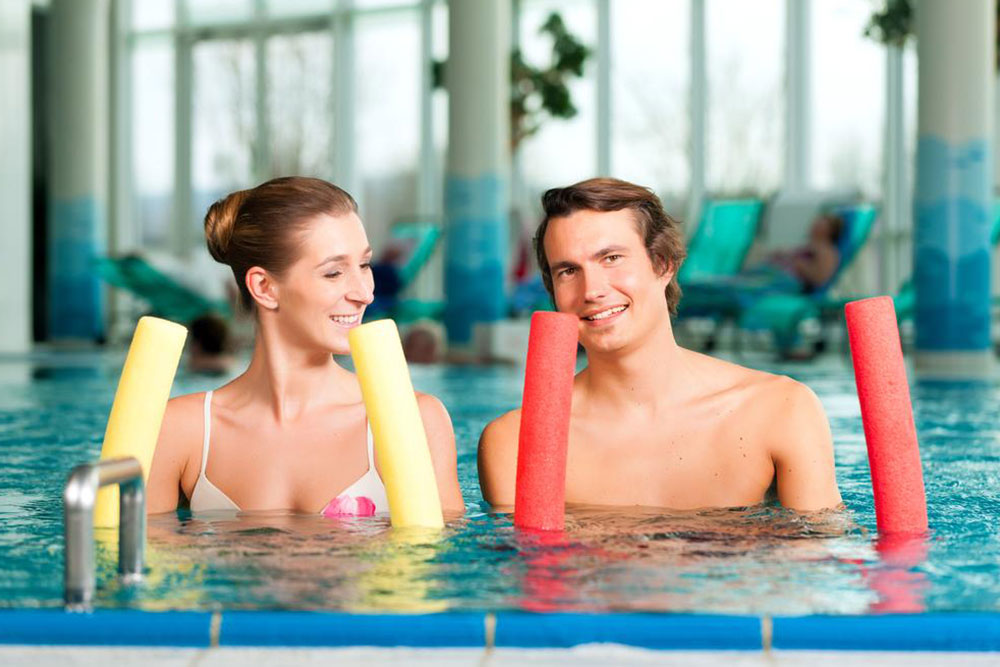
Assistive tools such as tactile cues and sound-emitting devices are integral to facilitating safe swimming experiences. In competitive settings, 'tappers'—trained assistants equipped with foam poles—gently tap the swimmer near turns or the pool’s end to signal the need to change direction, akin to a tactile alarm. In open water environments, swimming alongside a sighted partner or within a group enables swimmers to use auditory cues—like calls or whistles—to maintain orientation and coordinate movements.
Participating in aquatic activities offers tangible benefits beyond physical health. For visually impaired individuals, swimming can significantly boost confidence, foster independence, and improve mental well-being. Adaptive programs and accessible facilities ensure that people of all ages and skill levels can enjoy the water safely. With proper training, guidance, and simple modifications, visually impaired swimmers can attain proficiency, enjoy recreational swimming, and even pursue competitive sports.
Community-based programs tailored to the needs of visually impaired athletes emphasize education on safety procedures, proper use of assistive devices, and developing swimming skills. These initiatives help break societal barriers, promote inclusion, and build a supportive environment for everyone to thrive in aquatic sports.
In conclusion, adaptive swimming strategies are vital in creating opportunities for visually impaired individuals to explore and enjoy water activities thoroughly. Through innovative tools, skilled assistance, and community support, swimming can become an accessible and empowering experience. Encouraging inclusivity in aquatic environments not only benefits individuals but enriches the entire community by fostering diversity, understanding, and shared joy in the water.