Dietary Precautions: Foods to Avoid for Reducing Endometrial Cancer Risk
Endometrial cancer is a prevalent women’s health concern, especially among post-menopausal women. This comprehensive guide explores foods to avoid, including dairy products, processed meats, and foods high in trans and saturated fats, to help lower the risk. Implementing dietary modifications alongside lifestyle changes such as weight management and physical activity offers an effective approach for endometrial cancer prevention. By understanding these dietary influences, women can make informed choices to protect their reproductive health and reduce the likelihood of developing this cancer. The article emphasizes a balanced, healthy diet as a key preventative measure.
Dietary Precautions: Foods to Avoid for Reducing Endometrial Cancer Risk
Endometrial cancer is a significant health concern for women worldwide, ranking among the most common types of uterine cancers. It primarily affects women in the post-menopausal stage, although it can occur at other ages. This malignancy originates from the lining of the uterus, known as the endometrium. Various factors contribute to the development of endometrial cancer, including hormonal imbalances, lifestyle choices, and genetic predispositions. Among lifestyle factors, diet plays a pivotal role in influencing the risk levels. Understanding which foods may elevate the risk can help women make informed choices to reduce their susceptibility and promote overall reproductive health.
Endometrial cancer tends to develop slowly, often with identifiable risk factors that can be managed or mitigated through lifestyle modifications. While genetics and age are unchangeable, controlling dietary intake offers a practical approach to lowering the likelihood of developing this cancer. Researchers have identified certain foods and dietary patterns that may be linked to increased risk, emphasizing the importance of a balanced diet rich in protective nutrients while limiting potentially harmful foods. This article provides an in-depth look into specific food items that women should consider reducing or avoiding to decrease their risk of endometrial cancer.
Understanding the Influence of Diet on Endometrial Cancer Risk
The relationship between diet and cancer risk is complex, involving multiple factors such as hormonal regulation, inflammation, and oxidative stress. Diets high in unhealthy fats, processed foods, and excess animal fats have been linked to hormonal imbalances and increased estrogen levels, which can promote the proliferation of abnormal endometrial cells. Conversely, diets rich in fiber, antioxidants, and phytochemicals are associated with protective effects. Recognizing these dietary influences underscores the importance of mindful food choices in cancer prevention strategies.
Foods to Avoid or Limit for Endometrial Cancer Prevention
Based on current research and expert insights, several categories of foods have been identified as potentially increasing the risk of endometrial cancer when consumed excessively. Women looking to reduce their risk should carefully monitor and limit these foods within their diets.
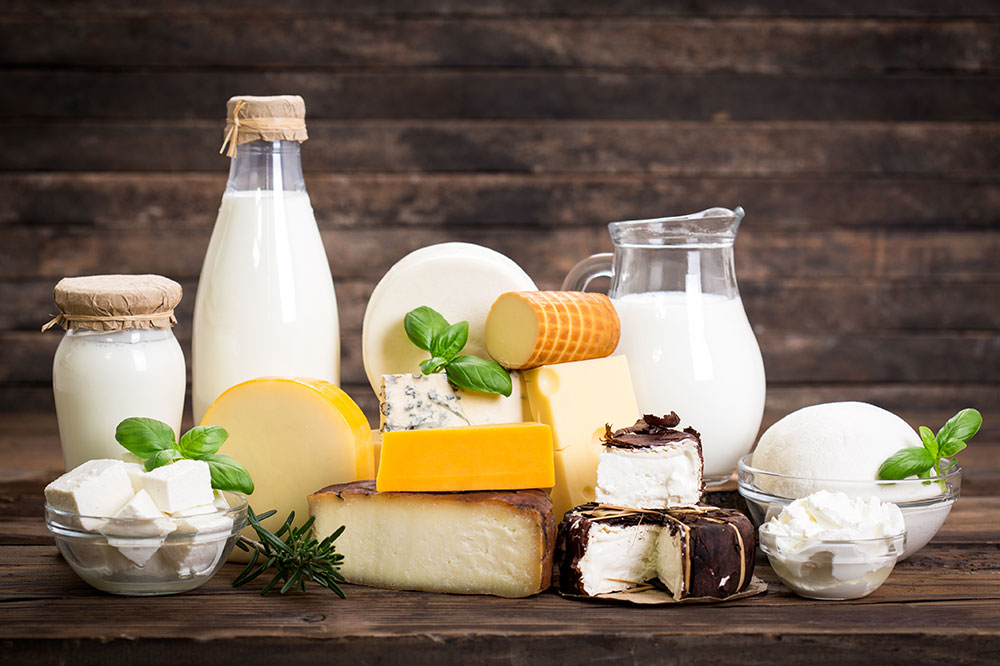
Dairy Products: There is ongoing debate surrounding the role of dairy in cancer risk. Although dairy provides essential nutrients like calcium and vitamin D, some studies suggest that regular intake may be associated with an elevated risk of endometrial cancer. This connection is thought to be related to the saturated fats present in full-fat dairy products and the estrogen-like compounds that can influence hormonal activity. If dairy is consumed, opting for lower-fat options or plant-based alternatives may be beneficial in reducing potential risks.
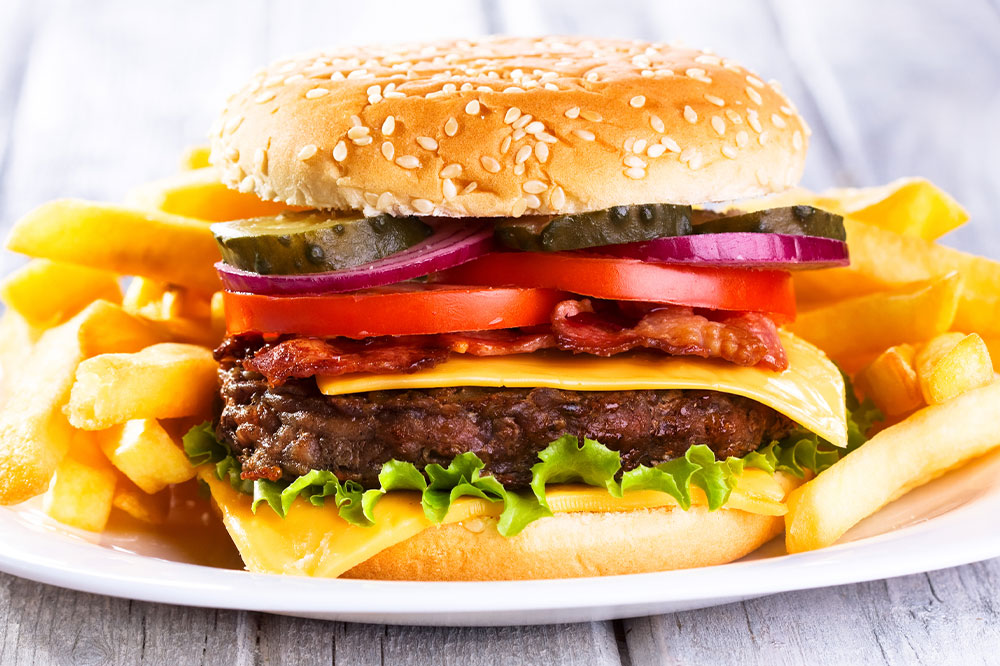
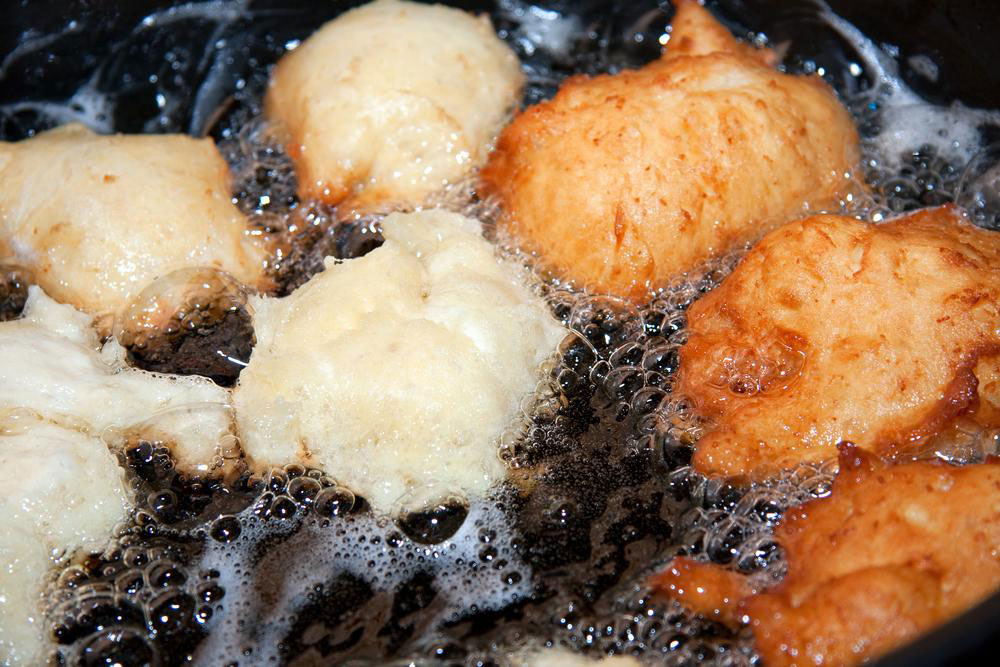
Trans and Saturated Fats: Processed foods often contain trans fats and saturated fats, which are detrimental to health when consumed in excess. Hydrogenated oils, commonly used in baked goods, fried foods, and snacks, significantly increase the intake of trans fats. Saturated fats derived from red meats and full-fat dairy can also elevate estrogen levels, thereby increasing the risk of endometrial cancer. Limiting the consumption of fried foods, processed snacks, and high-fat animal products is a prudent step for women aiming to lower their risk.
Processed Meats: Foods like salami, hot dogs, bacon, and cured meats are rich in preservatives, especially sodium nitrate and nitrites, which have been linked to various cancers. These meats are also high in unhealthy fats and salt, contributing to inflammation and hormonal disruption. Replacing processed meats with lean, unprocessed options such as fresh poultry, fish, or plant-based proteins can be a healthier choice for reducing endometrial cancer risk.
Additional Preventive Measures
Beyond dietary modifications, maintaining a healthy weight, engaging in regular physical activity, and managing hormonal health are crucial aspects of preventing endometrial cancer. Obesity, in particular, is a well-documented risk factor associated with increased estrogen production from adipose tissue, which can stimulate endometrial cell growth. Weight management through balanced diet and exercise, along with routine medical check-ups, enhances early detection and prevention efforts.
Conclusion
While genetic predispositions and age play significant roles in the development of endometrial cancer, lifestyle choices, especially diet, remain modifiable factors that women can control. By avoiding foods high in trans and saturated fats, limiting processed meats, and being mindful of dairy consumption, women can effectively reduce their risk. Adopting a balanced diet that emphasizes whole grains, fruits, vegetables, and healthy proteins, combined with a healthy lifestyle, forms a comprehensive strategy for endometrial cancer prevention. Awareness and proactive dietary choices are vital steps toward safeguarding women’s reproductive health and reducing the incidence of this often-preventable cancer.