Comprehensive Guide to Choosing the Perfect Exterior Doors for Your Home
Choosing the ideal exterior door involves understanding various materials like wood, fiberglass, and steel, each offering unique benefits. Proper sizing, design considerations, security features, and weatherproofing are crucial for durability, safety, and aesthetics. This comprehensive guide helps homeowners make informed decisions to enhance their home's curb appeal and security, ensuring long-lasting performance and style for years to come.
Essential Tips for Selecting Exterior Doors
Exterior doors are not just entry points—they are vital components that enhance your home’s curb appeal, provide security, and withstand the elements. Selecting the right exterior door involves understanding various materials, styles, and functional features to ensure durability, safety, and aesthetic harmony with your property. This comprehensive guide discusses the key factors you should consider when choosing exterior doors, from material options to design considerations, helping you make an informed decision that aligns with your needs and tastes.
Types of Materials Used in Exterior Doors
When selecting an exterior door, one of the most crucial considerations is the material from which it is crafted. The choice impacts durability, maintenance requirements, insulation, and overall appearance. Here, we delve into the most common and reliable materials used for exterior doors, exploring their benefits and drawbacks in detail.
Wood Doors
Wooden doors are timeless, offering an elegant and warm aesthetic that complements various architectural styles. They come in many types, including hardwoods like mahogany, oak, and cherry, as well as composite options designed for affordability. One of their advantages is their natural beauty; they can be stained or painted to match your home's exterior. Additionally, well-crafted wooden doors offer excellent craftsmanship, with detailed paneling and design options that enhance curb appeal.
However, wooden doors require proper maintenance to withstand weather conditions. Over time, exposure to sun, rain, and fluctuating temperatures can lead to warping, cracking, or rotting if not maintained properly. Regular repainting, varnishing, or sealing is necessary to keep the door looking its best and functioning efficiently. The quality of construction—such as the choice of panels and framing—also influences how well a wooden door resists warping and damage over time.
Fiberglass Doors
Fiberglass doors have surged in popularity due to their excellent strength, aesthetic versatility, and low maintenance needs. They can be manufactured in various thicknesses and finished with textures that resemble wood grain, giving the appearance of a real wooden door at a fraction of the cost. Many fiberglass doors are insulated, offering improved energy efficiency for your home, especially in colder or more extreme climates.
One of the significant advantages of fiberglass is resistance to deterioration caused by moisture, insects, and other external elements. They do not warp, crack, or rust like metal doors and require minimal upkeep—usually just occasional cleaning and repainting with compatible exterior paints or finishes. Despite their durability, fiberglass doors can be susceptible to cracking under severe impact, so care should be taken when handling or installing them.
Steel Doors
Steel doors are renowned for their strength and high security features. They provide great resistance against forced entry and are less susceptible to dents and damage from impacts. Modern steel doors are often finished with attractive coatings that mimic the look of wood, allowing for aesthetic customization while maintaining excellent security standards.
Steel doors are also low maintenance, needing only periodic cleaning and repainting to look their best. They typically offer superior insulation compared to wooden doors, which helps conserve energy and reduce heating or cooling costs. However, steel doors can be prone to rust if the protective coating is compromised, especially in humid or coastal conditions. Applying weatherproof paint or coatings and prompt repairs can prolong their lifespan and maintain their visual appeal.
In addition to the door material, the overall design and style are vital. Whether you prefer the classic look of wood, the modern appeal of fiberglass, or the robust security of steel, each material offers unique advantages tailored to different needs and aesthetics.
Choosing the Right Size and Fit
Accurate measurements are essential to ensure your new exterior door fits perfectly within your existing frame or casing. To determine the proper size, measure the width and height of your current door frame at several points—top, middle, and bottom—and use the smallest measurement to avoid fitting issues. Always take into account any additional space needed for weatherstripping or insulation to improve energy efficiency.
If you're installing a completely new door with a frame, prehung doors are an excellent option. These doors arrive with the frame already attached, including hinges, locks, and weatherstripping, simplifying installation and ensuring a secure fit. When ordering, specify your measurements carefully and confirm compatibility with your home's existing door opening.
Design, Style, and Functional Features
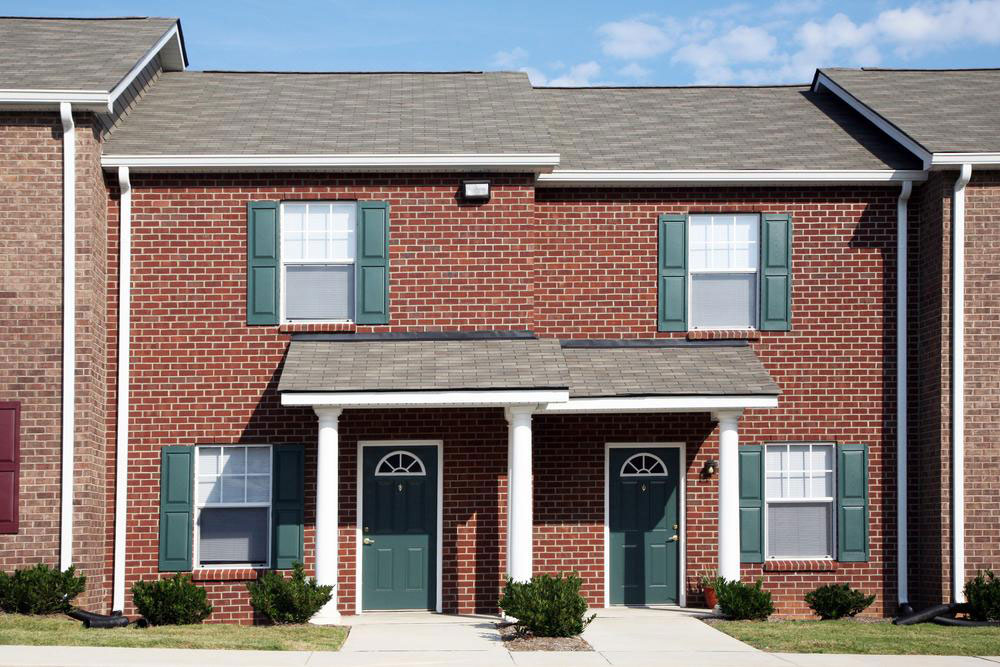
The aesthetic aspect of exterior doors is particularly prominent as they significantly influence your home's first impression. Front doors should harmonize with your home's architectural style and offer a welcoming, attractive look while providing security and functionality. Popular styles include traditional panel doors, modern minimalist designs, and rustic wooden doors, each offering different visual cues and functional benefits.
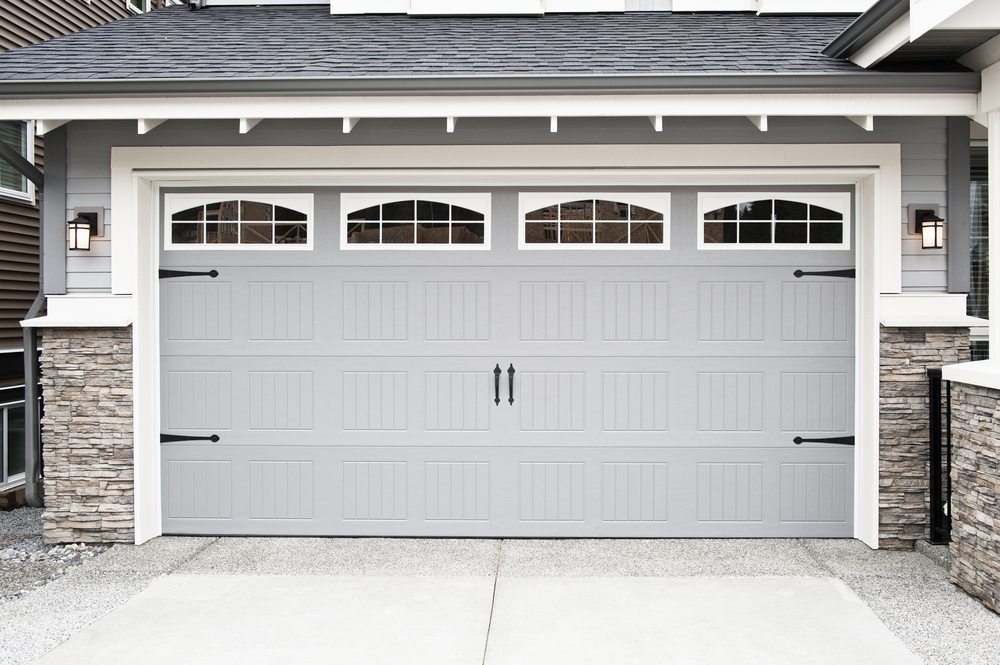
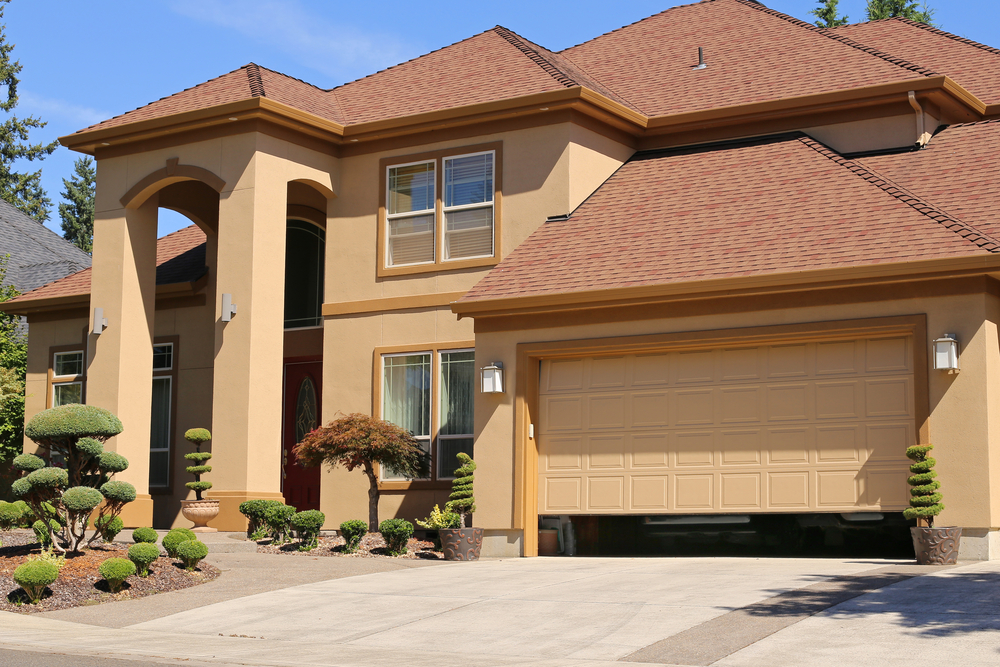
Back, side, and garage doors often emphasize practicality, durability, and security. For these, resilience against weather and ease of use are priorities. Features such as multi-point locking systems, reinforced hinges, and sturdy handles are essential for ensuring safety and longevity.
Incorporating security features like high-quality locks, deadbolts, and optional electronic security systems can further protect your home. Additional features such as tinted glass for privacy, decorative glass panels, or sidelights can enhance both security and aesthetics.
Additional Considerations for Exterior Doors
Beyond the material, size, and design, other factors influence your choice. Consider energy efficiency ratings—look for doors with good insulation properties to reduce heating and cooling costs. Weatherproofing features like durable weatherstripping, sealants, and protective coatings are crucial in climates exposed to severe weather conditions.
Security is another paramount concern; opt for doors with robust locking mechanisms and reinforced frames. If your home is in an area prone to extreme weather, choose doors specifically designed for such conditions, including storm doors or impact-rated options.
Installation is equally important. Professional installation can prevent issues like air leaks, warping, or security vulnerabilities. Regular maintenance, such as cleaning and inspections, ensures your exterior doors remain functional and visually appealing over years of use.
In conclusion, selecting the right exterior door involves a blend of material selection, size accuracy, design aesthetic, security features, and environmental considerations. Taking these factors into account will help you find a door that is not only visually appealing but also durable and secure, offering peace of mind and enhancing your home's overall value.