The Inner Workings of Cotton Candy Makers: A Complete Guide to How They Operate
Discover the fascinating inner workings of cotton candy machines with this in-depth guide. Learn about their history, innovative design, and how they turn simple sugar into fluffy, colorful treats loved worldwide. From the basic components to the science of spinning sugar, explore how engineering and culinary art combine to produce this iconic confection that captures joy at fairs, carnivals, and celebrations. Whether you're a candy enthusiast or a curious observer, understanding these mechanisms enhances appreciation for this whimsical dessert and inspires creativity in confectionery production.
Unveiling the Science and Mechanics of Cotton Candy Machines
Few treats evoke nostalgia and joy quite like cotton candy. Its light, fluffy texture and vibrant colors make it an iconic carnival or fairground favorite. Beyond its delightful taste and appearance, understanding how cotton candy machines work reveals an intriguing blend of engineering, science, and culinary artistry that transforms simple sugar into a whimsical confection. This comprehensive guide explores the history, design, and functioning of cotton candy makers, demystifying the process that leads to this beloved sugary creation.
Historically, cotton candy's origins date back to the 19th century. Initially, it was produced manually by artisans who spun sugar over heat using rudimentary tools, making the process labor-intensive and expensive. The advent of electric-powered machines marked a turning point, democratizing access and mass production. The innovation was largely driven by the collaboration between William Morrison, a dentist interested in confectionery engineering, and John C. Wharton, a skilled confectioner. Their invention revolutionized candy manufacturing, enabling the mass production of cotton candy and making it accessible to a broader audience.
Celebrated annually on November 7, National Cotton Candy Day, reminds us of the sweet history and ongoing popularity of this treat. The modern cotton candy machine combines simple components with sophisticated technology to produce a product that is both visually appealing and delicious. To fully appreciate this apparatus, it's essential to understand its core mechanics and how each part contributes to creating the delicate, airy confection that millions enjoy worldwide.
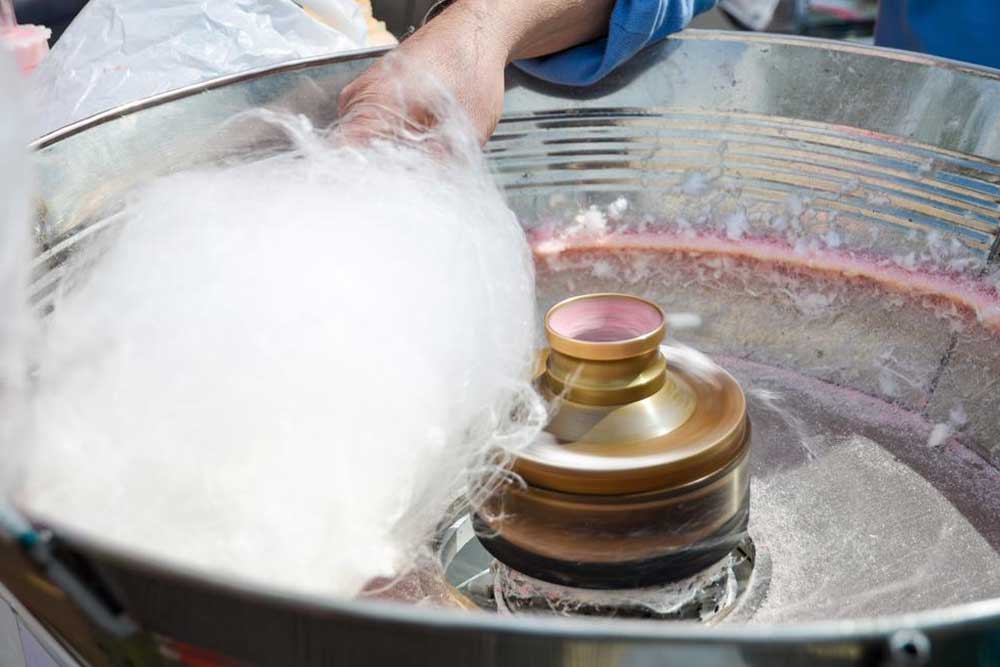
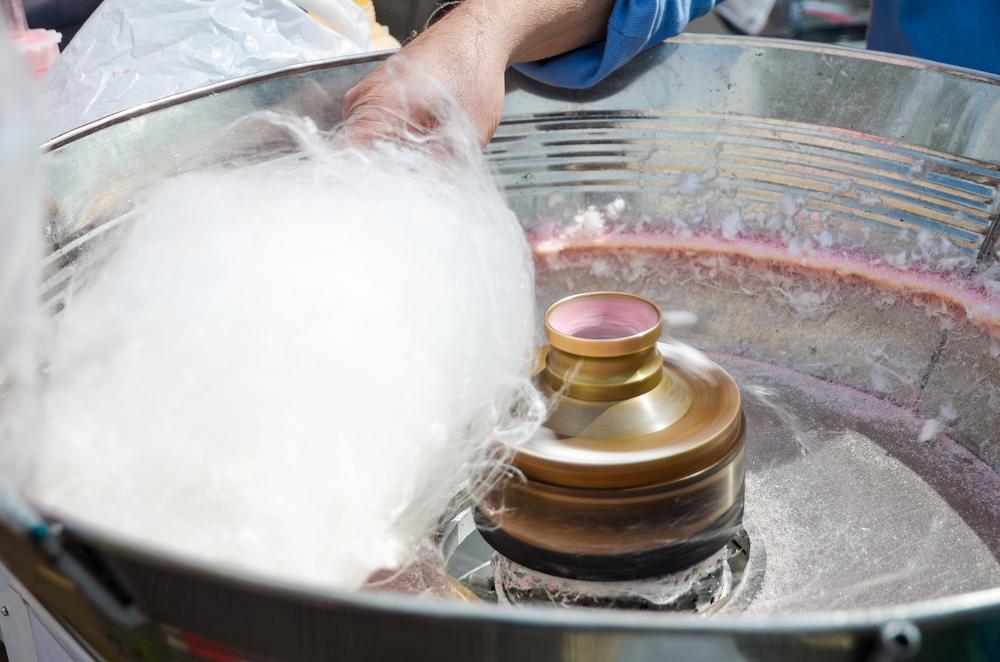
The fundamental operation of a cotton candy machine revolves around the transformation of granulated sugar into thin, airy fibers resembling cotton. This process begins with the melting of sugar, which is then spun into fine strands. The primary components involved include a heated spinning head, a motor-driven spinner, a steel or stainless steel bowl to hold the sugar, and a heating element that ensures the proper melt and spinning conditions. When the machine is powered on, the heating element warms the spinning head until the sugar liquefies.
Once liquefied, the sugar gets expelled through tiny nozzles or small holes in the spinning head, which are designed to create uniform, thin threads of sugar. As the spinner rotates at high speed—often hundreds or thousands of revolutions per minute—it forces the hot sugar outward through these small openings, forming delicate fibers that cool rapidly in the air. These fibers then solidify into fluffy strands, which are collected around a stick or cone held near the spinning head. The operator can wrap the strands around the stick, creating the familiar fluffy appearance of cotton candy.
Coloring and flavoring are added to the sugar before or during the melting process. Common colors include pink, blue, and green, and flavors like vanilla, cherry, or grape enhance the sensory experience. Modern machines often include safety features, temperature controls, and adjustable spinning speeds to ensure optimal production. This seamless combination of mechanical engineering and culinary science enables the production of cotton candy that is both delightfully light and visually attractive.
Understanding these mechanics not only enhances appreciation but also aids in troubleshooting, maintenance, and customization of the product. For instance, adjusting the temperature can influence the texture, while changing the sugar mix can introduce new flavors or colors, making the process versatile for vendors and hobbyists alike. Overall, the ingenuity behind cotton candy machines exemplifies how simple principles of heat and centrifugal force can create a magical treat enjoyed across generations and cultures.