Enhance Your Kitchen Layout for Improved Comfort and Functionality
Discover how to optimize your kitchen layout for maximum comfort and efficiency. By focusing on ergonomic principles—such as adjustable countertops, accessible storage, and proper sink design—you can significantly reduce physical strain and enhance your cooking experience. This comprehensive guide provides practical tips for customizing your kitchen to fit your body, promoting health, safety, and productivity in your home. Whether renovating or making small adjustments, ergonomic design makes daily chores easier, less tiring, and more enjoyable.
Enhance Your Kitchen Layout for Improved Comfort and Functionality
Our homes are more than just living spaces; they are personalized environments where daily routines unfold, especially in areas dedicated to cooking and meal preparation. The kitchen, being a hub of activity, can significantly influence your physical well-being and overall efficiency if designed thoughtfully. While many modern homes focus on aesthetic appeal, they often overlook ergonomic principles that ensure comfort and promote health. An ergonomically optimized kitchen allows you to work efficiently, reduce fatigue, and prevent long-term musculoskeletal issues, making daily chores less strenuous and more enjoyable.
One of the crucial aspects of designing an ergonomic kitchen is ensuring that the layout caters to your unique body dimensions and movement patterns. For example, countertop heights are often standardized without considering user diversity. If the counters are too high or too low relative to your stature, they can lead to strain in your shoulders, neck, and back. Adjusting counter heights to match your height or incorporating adjustable features can make a substantial difference. Petite individuals or those with limited mobility might need lower surfaces or step stools to reach comfortably, especially when working at higher surfaces like islands or counters. Installing adjustable countertops or incorporating multiple levels can greatly enhance usability for all users.
Storage solutions and their placement play a vital role in ergonomic kitchen design. Cabinets and shelves should be positioned at accessible heights to minimize excessive bending or stretching. Frequently used items such as spices, utensils, pots, and pans should be stored at eye level or within easy reach, reducing unnecessary movement and strain. Handles on cabinets and drawers should be ergonomic, easy to grip, and ideally positioned for smooth operation. Using pull-out shelves and lazy Susans can further streamline access to items stored in deeper cabinets, preventing awkward twisting or bending.
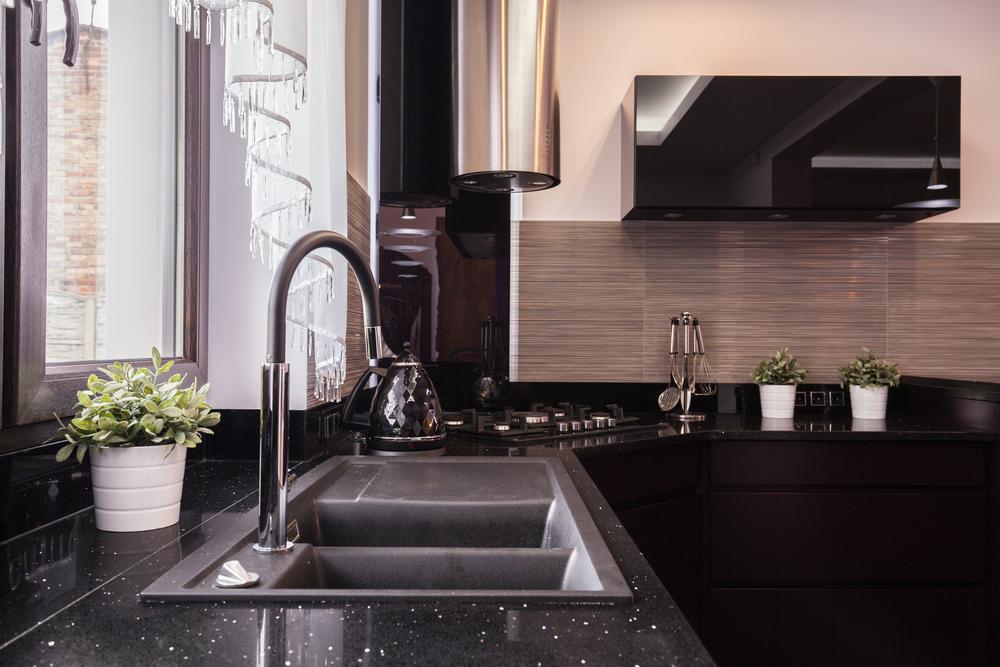
The kitchen sink is often a focal point for comfort and efficiency. A well-designed sink setup can significantly reduce physical strain, especially for those who spend considerable time washing dishes or preparing food. Farmhouse-style sinks or deep basin models can lower the need to lean excessively, providing an ergonomic advantage by allowing a more natural posture during use. Replacing narrow or shallow sinks with more spacious options can further decrease back discomfort and improve workflow.
Integrating seating options at key workstations can also help you avoid prolonged standing. For example, installing a kitchen island with bar stools or a dedicated prep table with chairs allows you to sit during less labor-intensive tasks, reducing fatigue. Additionally, organizing your kitchen to keep essential tools and ingredients within arm’s reach minimizes repetitive movement, keeping your workflow smooth and fatigue-free. Items like frequently used spices, utensils, and cookware should be stored in close proximity to your cooking zone, ideally on pull-out drawers or magnetic strips for quick access.
Overall, an ergonomic kitchen is one that adapts seamlessly to the natural movements of its users, promoting comfort while supporting efficiency. Thoughtful organization, adjustable features, and strategic placement of appliances and storage spaces create a harmonious environment that encourages physical well-being and enhances everyday cooking and cleaning experiences. Whether renovating a new kitchen or optimizing an existing space, applying ergonomic principles can transform your kitchen into a safer, more comfortable, and productive environment that suits your lifestyle and needs.