Comprehensive Guide to Hypertension: Causes, Symptoms, and Strategies for Prevention
Hypertension, or high blood pressure, is a common yet often overlooked health issue that can lead to severe complications like heart disease and stroke. This comprehensive guide explores the causes, symptoms, and preventive strategies necessary to manage and reduce hypertension effectively. Emphasizing lifestyle changes, regular monitoring, and medical intervention, it aims to help individuals safeguard their cardiovascular health and lead a healthier life.

Understanding Hypertension: Causes, Symptoms, and Effective Prevention Measures
In today’s modern world characterized by rapid lifestyle changes and increased stress levels, health issues such as hypertension have become widespread across all age groups. Hypertension, commonly known as high blood pressure, is a condition where the force of blood against the artery walls remains consistently elevated over time. This condition, if left unmanaged, can lead to severe health complications including heart disease, stroke, kidney damage, and other vital organ failures.
Medically, blood pressure is defined by two measurements: systolic pressure (the pressure in arteries during heartbeats) and diastolic pressure (the pressure between beats). When either of these readings consistently exceeds normal levels—typically above 130/80 mmHg—an individual is considered hypertensive. Understanding the underlying causes, recognizing symptoms early, and adopting effective preventive strategies are essential steps toward maintaining optimal health and reducing cardiovascular risks.
Causes of Hypertension
The etiology of hypertension is multifaceted, involving a combination of genetic, lifestyle, and environmental factors. Some of the most common causes include:
Genetic predisposition: A family history of hypertension significantly increases an individual’s risk.
Unhealthy diet: High intake of salt, saturated fats, and processed foods contributes to increased blood pressure.
Physical inactivity: Sedentary lifestyle leads to weight gain and poor cardiovascular health.
Obesity: Excess body weight elevates the workload on the heart and vessels.
Stress: Chronic stress causes hormones that constrict blood vessels, raising blood pressure.
Alcohol and tobacco use: Both habits are linked to vascular damage and hypertension.
Age: Blood vessel elasticity diminishes with age, increasing hypertension risk.
Symptoms of Hypertension
Often termed the “silent killer,” hypertension may not produce noticeable symptoms in its early stages. Therefore, routine blood pressure checks are crucial. However, some individuals may experience symptoms such as:
Persistent headaches: Usually at the back of the head, especially in the mornings.
Fatigue and dizziness: Feeling unusually tired or dizzy without clear reason.
Vision problems: Blurred or double vision caused by damage to retinal vessels.
Chest pain: Discomfort or pressure in the chest area.
Irregular heartbeat: Palpitations or skipped beats.
Blood in urine: A potentially serious sign indicating kidney involvement.
Prevention and Management of Hypertension
Preventing and controlling hypertension involves a combination of lifestyle modifications, medical interventions, and ongoing monitoring:
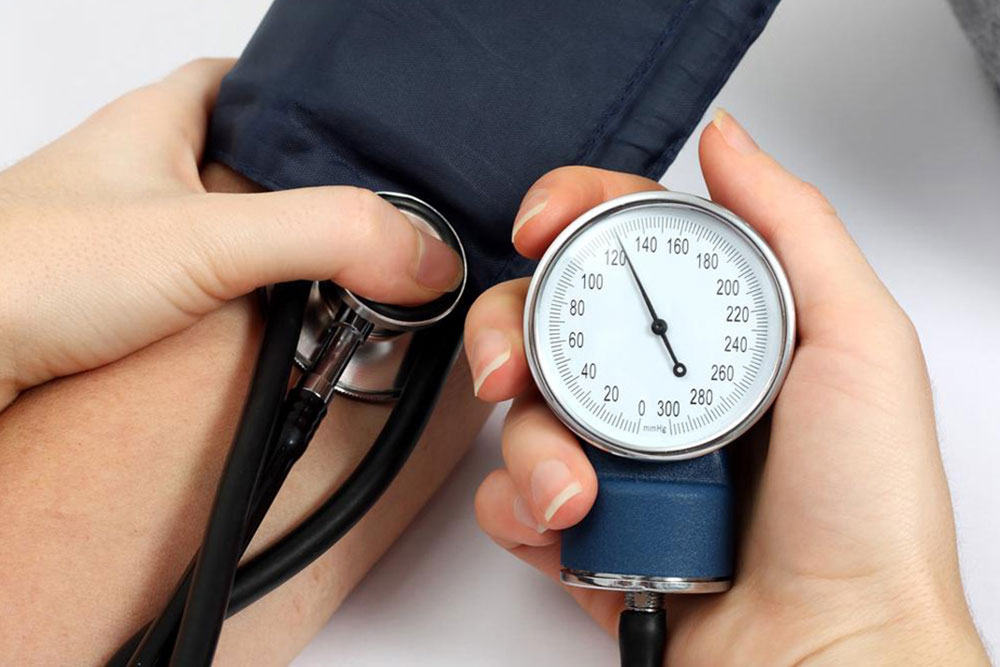
Regular blood pressure monitoring: Keep track of readings to detect changes early.
Healthy diet: Emphasize fruits, vegetables, whole grains, lean proteins, and reduce salt intake.
Physical activity: Engage in at least 150 minutes of moderate exercise weekly, such as brisk walking, cycling, or swimming.
Weight management: Maintain a healthy weight to decrease strain on your heart.
Limit alcohol and tobacco: Reduce or eliminate consumption to prevent vascular damage.
Stress reduction techniques: Practice meditation, yoga, or deep breathing exercises.
Medications: In some cases, healthcare providers prescribe antihypertensive drugs to help control blood pressure.
Education and self-awareness are vital components in combating hypertension. Awareness campaigns, regular health screenings, and adherence to medical advice can significantly reduce the risk of serious complications.
In conclusion, understanding the causes, symptoms, and prevention strategies related to hypertension empowers individuals to make informed health decisions. Proactive measures, combined with regular check-ups, can effectively manage this widespread condition, safeguarding long-term health and improving quality of life.