Ultimate Guide to Effective Treatments for Toenail Fungal Infections
This comprehensive guide explores effective treatments for toenail fungal infections, detailing symptoms, risk factors, medical and home remedies, and preventive measures. It emphasizes the importance of early diagnosis and personalized treatment plans, including medications, laser therapies, and hygiene practices, to combat onychomycosis and maintain healthy nails. Ideal for individuals seeking detailed insights into managing toenail fungus, this article covers everything from lifestyle adjustments to advanced medical options, helping readers prevent and effectively treat fungal infections for healthier nails and better foot health.

Ultimate Guide to Effective Treatments for Toenail Fungal Infections
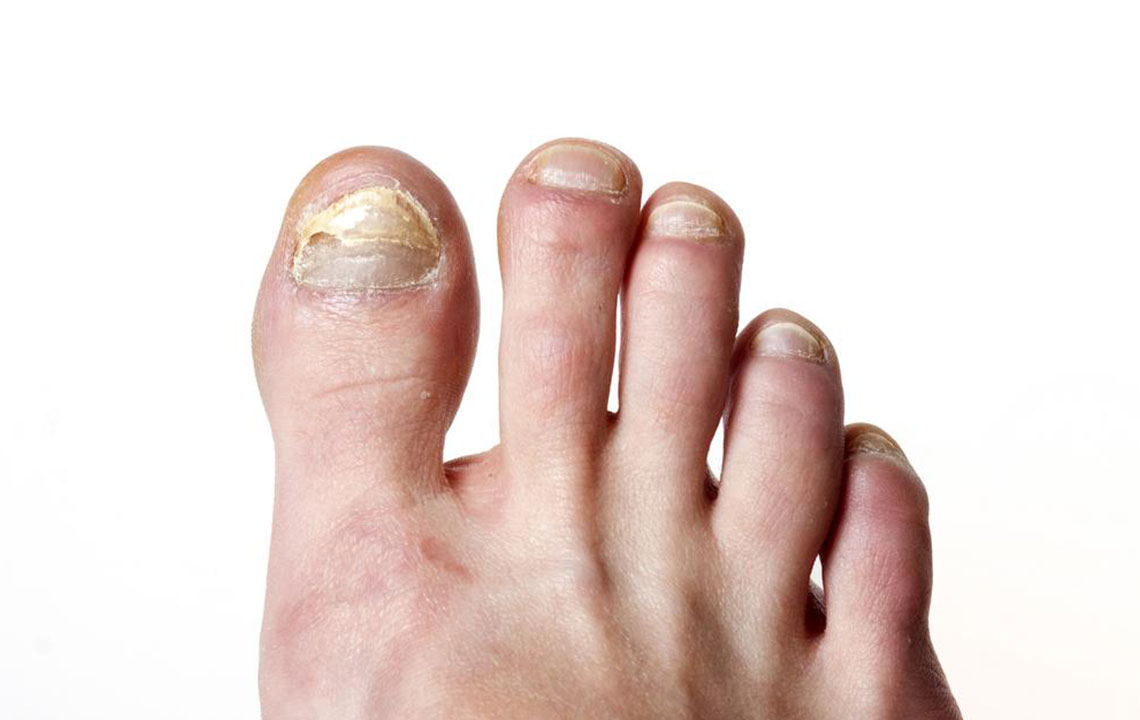
Toenail fungal infections, medically known as onychomycosis, are among the most common toenail ailments that affect millions worldwide. This persistent condition occurs when fungi or yeasts infiltrate cracks and weaknesses in the toenails, often extending into the surrounding skin tissue. The result is a range of uncomfortable symptoms, including thickened, discolored, and brittle nails, which can sometimes lead to significant pain and mobility issues if left untreated. The moist, warm environment created by sweat and footwear provides an ideal breeding ground for fungal growth, making prevention and early intervention vital.
The fungi responsible for these infections are varied, with dermatophytes being the most common culprits. Yeasts and non-dermatophyte molds can also cause toenail infections, especially in immunocompromised individuals. When the infection progresses, nails can become fragile, brittle, and discolored—commonly appearing yellow, white, or brown. Over time, the infected nails might detach from the nail bed, resulting in further discomfort and vulnerability to secondary bacterial infections. If untreated, the infection can spread beyond the nails to surrounding skin, contributing to conditions like athlete's foot or bacterial cellulitis.
Numerous factors contribute to an increased risk of toenail fungal infections. Men, particularly older men, are more susceptible due to aging-related decline in immune function and changes in nail growth. Individuals with diabetes, compromised immune systems, or poor circulation are at heightened risk because their bodies struggle to fight off fungal pathogens effectively. People who frequently expose their feet to moisture—such as swimmers, athletes, or workers in humid environments—also face a substantial risk. Smoking, which impairs circulation and immune responses, further elevates susceptibility. Household contact with infected nails or footwear can facilitate transmission, making it essential for households to practice good hygiene and monitor for early signs of infection.
Early diagnosis and intervention are key to managing toenail fungus effectively. Consulting healthcare professionals like podiatrists or dermatologists enables accurate diagnosis through clinical examination and laboratory tests, such as toenail clippings or scrapings. Timely treatment can prevent the infection from worsening and causing permanent nail damage. Preventive measures include maintaining meticulous foot hygiene: wash feet regularly, dry thoroughly, and avoid sharing footwear or towels. Choosing breathable footwear and moisture-wicking socks help keep feet dry, impeding fungal proliferation. Regularly inspecting nails for discoloration, thickening, or crumbling allows for early detection and prompt treatment initiation. Educating oneself about fungal infections is essential for effective management and avoiding recurrence.
Effective treatment strategies balance medication, lifestyle adjustments, and home remedies. Oral antifungal medications are often prescribed, especially for severe or extensive infections. These medications typically require a course of 6 to 12 weeks and are more effective in individuals with healthy immune functions. However, they come with potential side effects, including liver toxicity, skin rashes, or gastrointestinal issues, which necessitate regular blood monitoring by healthcare providers. In addition to systemic treatments, topical antifungal formulations like medicated nail polishes, creams, and solutions can be applied directly to the affected nails, targeting the fungi locally and reducing fungal load. Combining topical and systemic treatments often enhances success rates.
In stubborn or advanced cases, removal of the affected nail might be necessary—either through surgical procedures or traditional nail extraction—to allow for better healing conditions or topical therapy application. Laser treatments are an emerging option that uses focused light energy to destroy fungal elements within the nail matrix, providing a non-invasive alternative for some patients. Home remedies, including soaking feet in diluted vinegar, baking soda pastes, or applying coconut oil, may provide symptomatic relief and help slow fungal growth, particularly when started early. Nonetheless, home remedies should complement, not replace, medical treatment. Maintaining proper foot hygiene, keeping nails trimmed and clean, and avoiding footwear that retains moisture are fundamental in preventing recurrences. Professional consultation ensures that treatment plans are tailored to individual circumstances, especially when initial approaches are ineffective.