AI Marketing: Personalize Journeys with Behavioral Data & Automation
Learn how AI marketing tools help U.S. teams personalize customer journeys, optimize ad spend, and scale content without losing human touch.
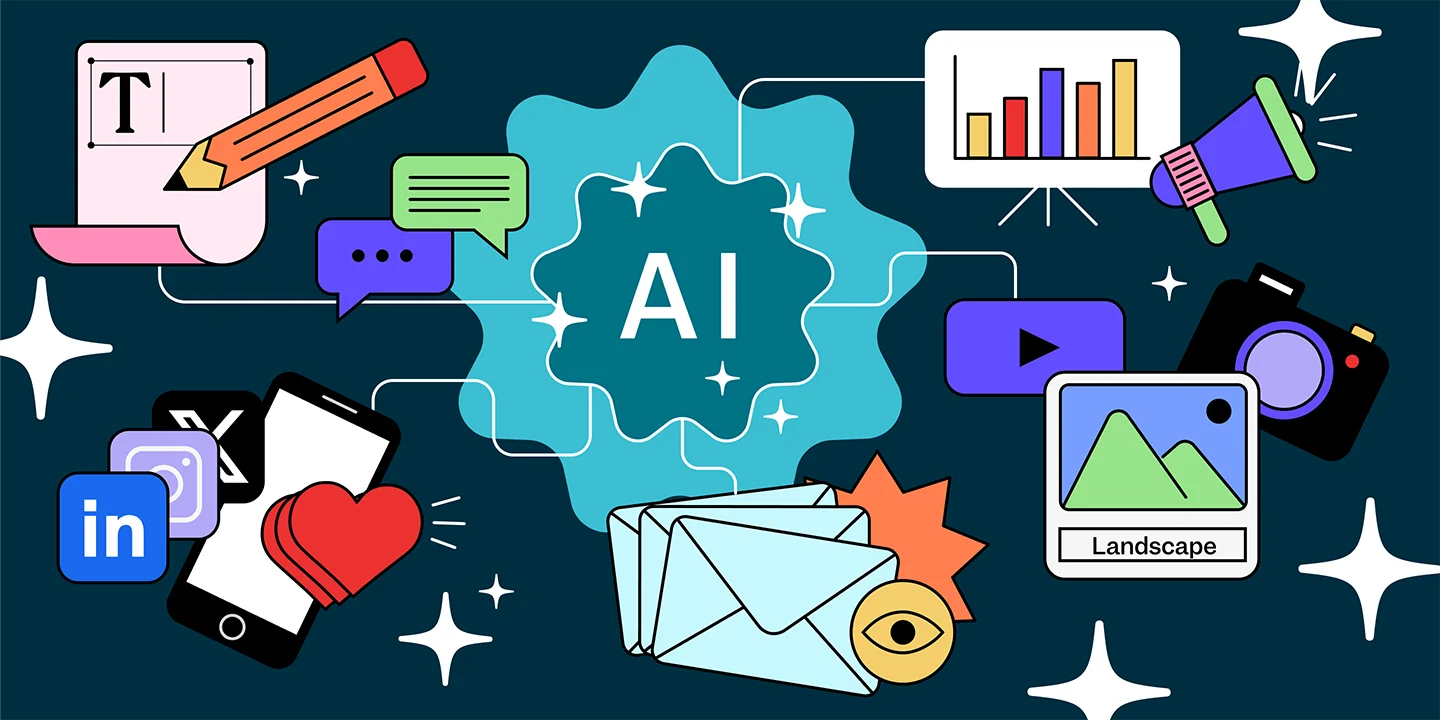
Start Small: A Practical Entry Point
The safest path to adopting AI-driven marketing is treating the first initiative as a contained experiment, not a total overhaul. Pick one outcome—more demo requests, higher cart conversion, cleaner leads—and limit the scope to one or two channels. Set a modest budget and a clear time box, like two weeks from launch to review. This reduces stress, speeds learning, and creates a repeatable template for scaling later.
Choose a minimal toolset mapped to your mini-journey: one for creative variations, one for content or deck creation, one for audience discovery, and optionally one for trend insights. Many U.S. vendors offer month-to-month access, allowing teams to test fit without deep integration. Assign clear owners for creative, campaign management, and analytics. Mid-campaign, pause to evaluate which tools genuinely reduced workload or improved results, trimming any that felt heavy or confusing. Over time, this discipline builds a lean stack that supports rather than overwhelms.
Smarter Acquisition: Behavioral Audiences & Automation
Paid media has shifted from shouting in a crowded mall to whispering in the right ear at the right moment. When someone opens a feed, an auction decides which message appears, blending predicted engagement, conversion likelihood, and bid strategy. Automation-first campaign types infer who to show an ad to, how often, and at what price, using a business goal like leads or sales. For overworked U.S. teams, this means fewer manual interest stacks and more focus on creative quality and offer structure.
Modern tools organize people by behavior rather than demographic segments like “women 25–54 in suburbs.” They create groups such as chronic comparers, impulse buyers, cart-abandoners, and loyalists. Platforms merge site analytics, search terms, email engagement, customer support logs, and purchase paths into unified profiles, building slices like “likely to churn soon” or “primed for an upgrade.” Each slice can receive different creative, frequency, and offers, turning spray-and-pray into targeted conversations.
| Behavior segment | What helps | Risk if mishandled |
|---|---|---|
| Hesitant browsers | Deeper education, comparisons, FAQs | Overloading with urgency messaging |
| Discount hunters | Clear deals, bundles, loyalty perks | Training them to only buy on promotion |
| Loyal advocates | Early access, referral rewards | Ignoring feedback and social impact |
| At-risk customers | Check-ins, support, value reminders | Spamming with generic upsells |
These segments are working hypotheses that the system constantly updates as behavior changes over time.
Content Creation: Workflow, Signals & Scale
Open an analytics dashboard and it looks chaotic—spikes in traffic, dips in watch time, random peaks in sign-ups. Underneath, AI-driven tools extract usable signals: which themes keep U.S. viewers watching to the end, which hooks drive comments, which article structures lead readers to scroll to pricing. They flag that “how-to” tutorials drive more trial sign-ups, while emotional stories boost brand search. Teams can see which tone, length, format, and topic patterns reliably move people from passive scrolling to action.
One promise of AI content tools is volume—dozens of ad variants, email subject lines, or landing page versions in minutes. The real win is structured experimentation: a U.S. brand can take one core story and spin it into a how-to for practical shoppers, a lifestyle clip for aspirational ones, a punchy social post for skimmers, and a deeper explainer for researchers. Guardrails like brand voice libraries, approved phrases, imagery rules, and compliance filters keep generated assets on-brand. Human editors then refine tone, fix nuance, and check for cultural or legal missteps before going live.
Beyond top-of-funnel content, generative tools shorten the distance from raw ideas to sales materials. Feed in key talking points, case stories, and product specs; slide-building assistants output structured decks for demos, webinars, or retailer pitches. Sales teams can tailor versions for industries, company sizes, or roles without starting from scratch. AI summarizers digest long recordings or transcripts, capturing common objections or questions, which feed back into campaign messaging, FAQs, and training guides.
Orchestrating Journeys: Automation, Metrics & Boundaries
Automation platforms now watch for micro-events—page visits, video completions, cart changes, subscription pauses—and respond with emails, texts, or in-app messages. Used well, this feels like helpful follow-through: a reminder about something left mid-process, guidance after a complex purchase, or educational content at the right moment. Used poorly, it becomes harassment: daily nudges, exaggerated scarcity, or emotionally manipulative language. U.S. consumers are especially sensitive to frequency, tone, and channel choice, so teams need hard rules around quiet hours, maximum touches, and sensitive categories where restraint matters more than short-term profit.
Dashboards can show almost anything, which is why chasing the wrong numbers is easy. High click-through and views look satisfying, but tools become truly valuable when tied to outcomes: qualified leads, trial activations, revenue, margin, retention, and lifetime value. Modern attribution and customer data platforms link multi-touch journeys across ads, search, email, social, and offline events. A simple progression works best: start with basic conversions, then revenue, then incremental impact, and finally long-term customer value.
| Metric focus | What it’s good for | When to move beyond |
|---|---|---|
| Clicks & views | Early creative testing, top-funnel health | Once spend scales |
| Conversions | Short-term performance, funnel bottlenecks | When goals shift to profitability |
| Revenue & margin | Budget allocation, channel comparisons | When acquisition costs rise |
| Lifetime value | Strategic planning, retention investments | As data volume increases |
Anchoring evaluations on these deeper layers keeps teams from over-optimizing surface engagement while the business silently bleeds.
Guardrails: Privacy, Fairness & Not Being Creepy
Any system that predicts behavior risks crossing lines. Even when data collection is technically allowed, U.S. consumers react strongly to messaging that feels invasive or manipulative. Ethical use includes clear consent flows, easy opt-outs, and transparent explanations of what is personalized and why. It also means watching for unintentional bias—campaigns that disproportionately ignore certain neighborhoods, age groups, or income brackets because the model learned from skewed historical data. Regular audits of who is reached, how often, and with what tone are as important as A/B tests for performance.
Q&A
How can AI marketing automation tools improve campaign ROI without increasing ad spend? They optimize audience targeting, bidding, and send times, automatically test creatives, suppress low-intent users, and reallocate budget to high-performing segments, squeezing more conversions from the same or lower spend.
Where do AI content marketing tools fit into a human-led content workflow? Use them for research, outlines, first drafts, SEO suggestions, variant generation, and repurposing, while humans focus on brand voice, strategy, fact-checking, and final editing to maintain quality and authenticity.
How do AI advertising tools reduce the risk of poor-performing ad creatives? They quickly generate multiple variations, run multivariate tests, analyze performance by audience micro-segment, and automatically promote winners while pausing underperformers before they waste significant budget.
What’s a practical way for small teams to start with AI digital marketing tools? Start with one channel (e.g., email or paid social), choose a tool that plugs into your stack, set clear KPIs, run a small pilot, compare results to baseline, then gradually scale and add more AI capabilities.