Enterprise AI Marketing Automation: Predictive Analytics, Lead Scoring, and Hyper-Personalization
Discover how AI marketing automation transforms B2B lead scoring with predictive analytics and hyper-personalization.
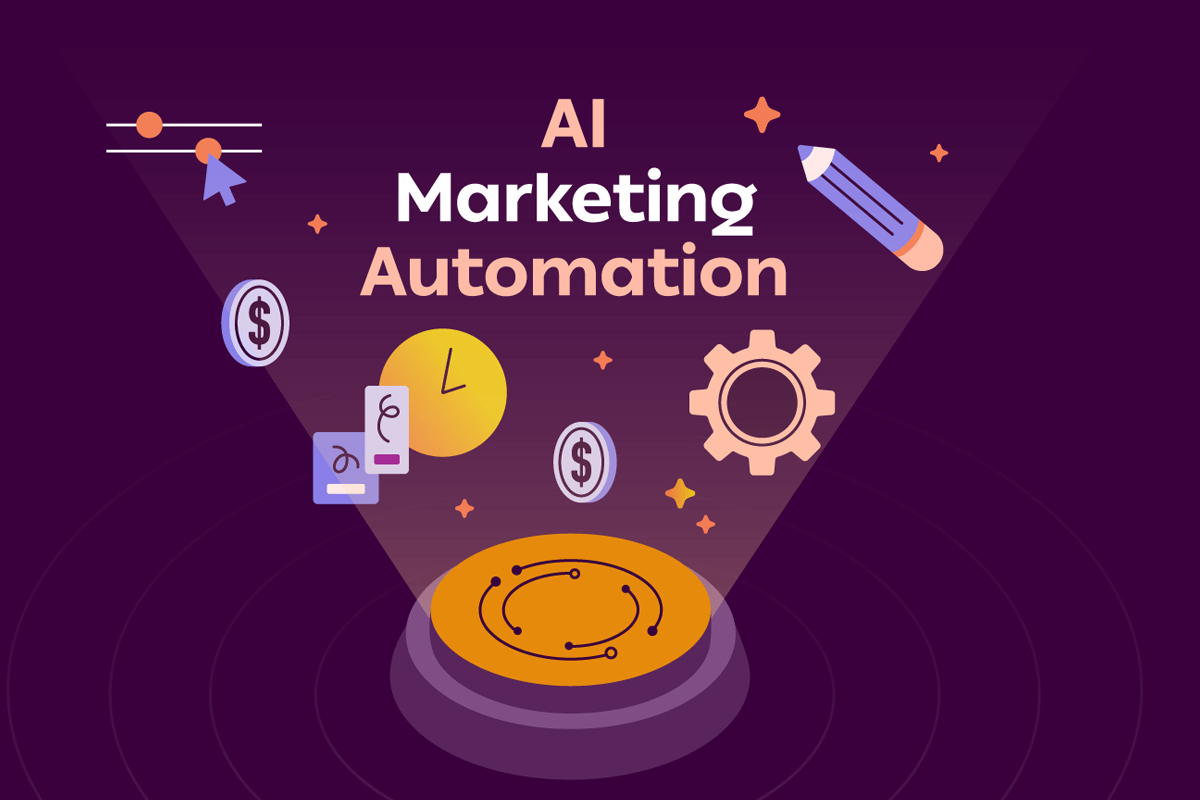
Marketing automation has entered a new era. What once relied on static rules and manual oversight now operates as an autonomous partner, using machine learning to optimize campaigns in real time. This shift empowers marketers to focus on strategy while intelligent systems handle execution, from dynamic lead scoring to hyper-personalized content delivery across channels.
The Evolution of Marketing Automation: From Static Rules to Autonomous Partners
How Intelligent Campaign Automation Works
Modern intelligent campaign automation leverages machine learning to test thousands of combinations of headers, images, and copy simultaneously. Instead of manual A/B testing, the system automatically shifts traffic to the best-performing variations, optimizing messaging without human intervention. This frees marketers to concentrate on creative storytelling and high-level strategy while the software manages the entire campaign lifecycle.
Adopting enterprise-level AI marketing automation requires more than just purchasing a license. Organizations must build cross-functional teams that bridge marketing and data science, ensure customer data security, and align systems with specific business goals. The table below compares traditional automation with intelligent AI automation:
| Feature Dimension | Traditional Automation | Intelligent AI Automation |
|---|---|---|
| Decision Making | Static if/then rules | Predictive and adaptive learning |
| Campaign Management | Manual linear workflows | Self-optimizing dynamic loops |
| Data Utilization | Historical reporting | Predictive modeling |
| Personalization | Segment-based groups | Individual-level hyper-personalization |
| Marketer Role | Operator and executor | Strategist and supervisor |
AI-Powered Lead Scoring and Retention for B2B Success
Dynamic Lead Scoring
B2B marketing demands precise lead qualification. Traditional intuition or basic engagement metrics often waste sales efforts on unqualified prospects. AI-driven lead scoring analyzes thousands of behavioral signals—whitepaper downloads, webinar attendance, pricing page dwell time—to assign scores that reflect real-time buying intent. Sales teams can prioritize high-intent prospects while early-stage contacts receive automated nurturing, shortening sales cycles and lowering customer acquisition costs.
Predictive Analytics for Customer Retention
Predictive analytics enables businesses to anticipate customer churn before it occurs. By monitoring health scores—a composite of usage frequency, support ticket sentiment, and feature adoption—the system flags at-risk accounts weeks in advance. Customer success teams can intervene proactively with tailored offers or training sessions. This approach transforms marketing from a cost center into a revenue engine, providing certainty in uncertain markets and enabling bolder strategic moves.
Delivering Hyper-Personalization Across Channels
Real-Time Content Adaptation
Modern consumers expect digital experiences that mirror a personal concierge. AI marketing automation platforms recognize returning visitors and instantly restructure homepage layouts, display relevant case studies, or offer complementary products. This extends to email: instead of batch-and-blast newsletters, AI analyzes each user's optimal send time and preferred content format, sending unique messages that boost engagement. When a brand demonstrates that it understands individual needs, it builds deep trust and loyalty.
Balancing Automation and Human Creativity
Automation does not stifle creativity; it amplifies it. By handling data analysis, segmentation, and distribution, AI frees marketers to focus on brand storytelling and campaign design. The machine provides logic (which audiences to target, which channels perform), while the human provides magic (emotional hooks, visual narratives, brand voice). The goal is to automate friction points, not relationships, delivering humanity at scale through every automated interaction.
Frequently Asked Questions
How does enterprise AI marketing automation differ from standard tools?
Enterprise solutions handle large-scale complexity with predictive analytics and integration across departments. They anticipate customer needs and personalize efforts at scale, supporting seamless information flow between marketing, sales, and customer success.
What role does predictive analytics play in marketing automation?
Predictive analytics uses historical data and AI algorithms to forecast customer behavior. Marketers can proactively adjust strategies, allocate resources efficiently, and improve campaign ROI by targeting likely buyers and churn risks.
What features should businesses look for in intelligent campaign automation software?
Key features include multi-channel integration, real-time analytics, customizable workflows, AI-driven insights, robust data privacy compliance, and scalability. These ensure campaigns are efficient and effective at reaching target audiences.