How Early Solar Partner Integration, PPAs, and Self-Consumption Drive Commercial ROI
Learn how early partner integration, PPAs, and self-consumption strategies maximize solar ROI for commercial real estate projects.
Why Solar Is Now a Core Requirement for Commercial Real Estate
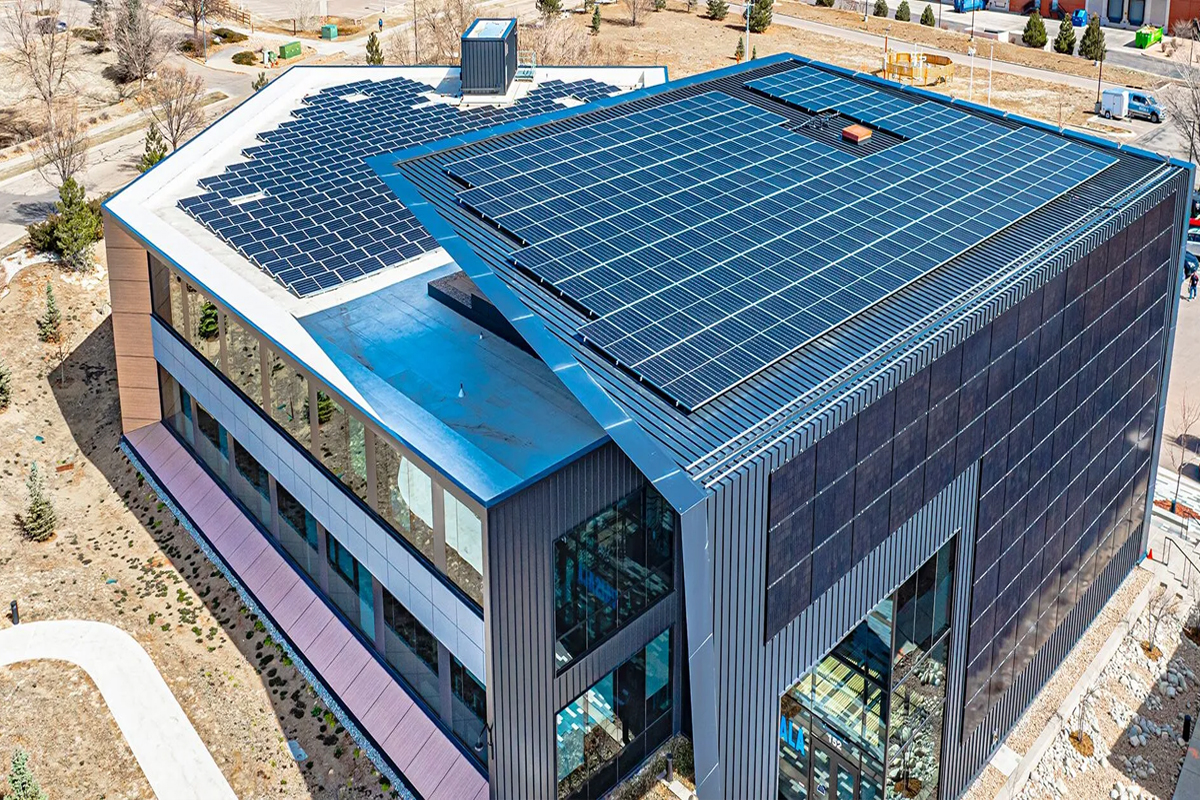
Renewable energy has moved from an optional add-on to a fundamental component of profitable commercial real estate. To capture maximum returns, businesses must integrate solar infrastructure from the very first design phase. When energy providers collaborate with general contractors early, they optimize conduit runs, roof load capacities, and switchgear specifications—preventing expensive change orders later. This upfront coordination also simplifies permitting and utility interconnection by anticipating local codes and regulatory hurdles. The result is a project that stays on budget and schedule while fully incorporating energy generation capacity.
Making Solar Accessible Without Upfront Capital: The PPA Model
Many American businesses hesitate to invest in solar due to high installation costs. Power Purchase Agreements (PPAs) remove this barrier: a third party owns and maintains the system, while the business buys the generated electricity at a fixed rate—typically below the local utility's retail price. This transforms solar from a capital expenditure (CapEx) into an operating expenditure (OpEx), preserving cash flow and shifting technical and performance risks to the provider. If the system underperforms, the business pays less. PPAs also simplify budgeting by locking in energy rates for the contract term, offering immediate savings without touching capital reserves.
Early Partner Integration: The Strategic Advantage
Integrating Energy Design from Day One
When renewable energy partners are involved during the initial design phase, they can optimize electrical layouts—conduit runs, roof load capacities, and switchgear specifications—preventing costly change orders later. This upfront coordination also streamlines permitting and utility interconnection, as the partner anticipates local codes and regulatory hurdles. The result is a project that stays on schedule and within budget while ensuring that energy generation capacity is fully integrated.
Long-Term Stewardship Beyond Installation
A commercial solar installation marks the beginning, not the end, of the asset's lifecycle. Strategic partners shift from transactional vendors to service-oriented allies. They provide rigorous monitoring, preventive maintenance, and rapid response protocols to keep systems performing at peak efficiency. Sophisticated monitoring detects micro-inefficiencies—an underperforming panel string or inverter fault—before they erode returns. Additionally, these partners manage complex warranty claims and manufacturer relationships, reducing administrative burdens on facility managers. This ongoing stewardship turns a one-time capital expense into a decades-long energy asset that evolves with the business's needs.
Designing for Self-Consumption in a Changing Regulatory Landscape
Net metering policies are being revised across the US, lowering compensation for exported power. The new financial imperative is self-consumption—producing what the facility needs when it needs it, to offset expensive grid electricity. Capable installers analyze 15-minute interval data to match system output to the building's load profile exactly. Often a smaller, optimized system yields a better internal rate of return than a large array that exports cheap power. Smart energy management systems further enhance self-consumption by automatically adjusting lighting and HVAC based on solar production. This approach insulates businesses from utility policy changes, making the value generated inside the building, not sold outside.
Technology Choices That Boost Self-Consumption and Savings
High-Efficiency Hardware and Intelligent Inverters
Modern commercial solar benefits from high-density modules that produce more kilowatt-hours per square foot, even in low light. Advanced inverters—especially high-voltage string inverters—reduce cabling costs and transmission losses. Battery storage is increasingly standard, enabling businesses to shave demand charges by discharging stored power during peak usage spikes. This combination turns the energy system into a dynamic cost-management tool rather than a passive generator. Installers who master these technologies design systems that deliver both energy savings and energy security.
Selecting a Financially Stable Solar Partner
Rising interest rates and policy fluctuations have squeezed many solar installers, leading to industry consolidation. When choosing a partner, financial solvency matters more than the lowest price per watt. A lifetime workmanship warranty is worthless if the company goes bankrupt. Businesses should prioritize providers with strong balance sheets, diversified portfolios, and a track record of weathering economic downturns. Such partners are better equipped to honor long-term service agreements and navigate supply chain disruptions, protecting the investment from becoming an orphaned project with no support.
Regional considerations vary: businesses in California should verify installer experience, licensing, and warranty coverage; those in Arizona benefit from climate-optimized design and state/federal incentives. In all cases, a strategic partner who integrates early, offers flexible financing like PPAs, and designs for self-consumption will deliver the highest long-term value.