Residential Solar Storage: Maximize Savings with Smart Energy Management
Learn how home solar with battery storage maximizes savings through self-consumption, smart monitoring, and financial intelligence. Achieve energy independence.
How Modern Solar Systems Work: Generation, Storage, and Smart Management
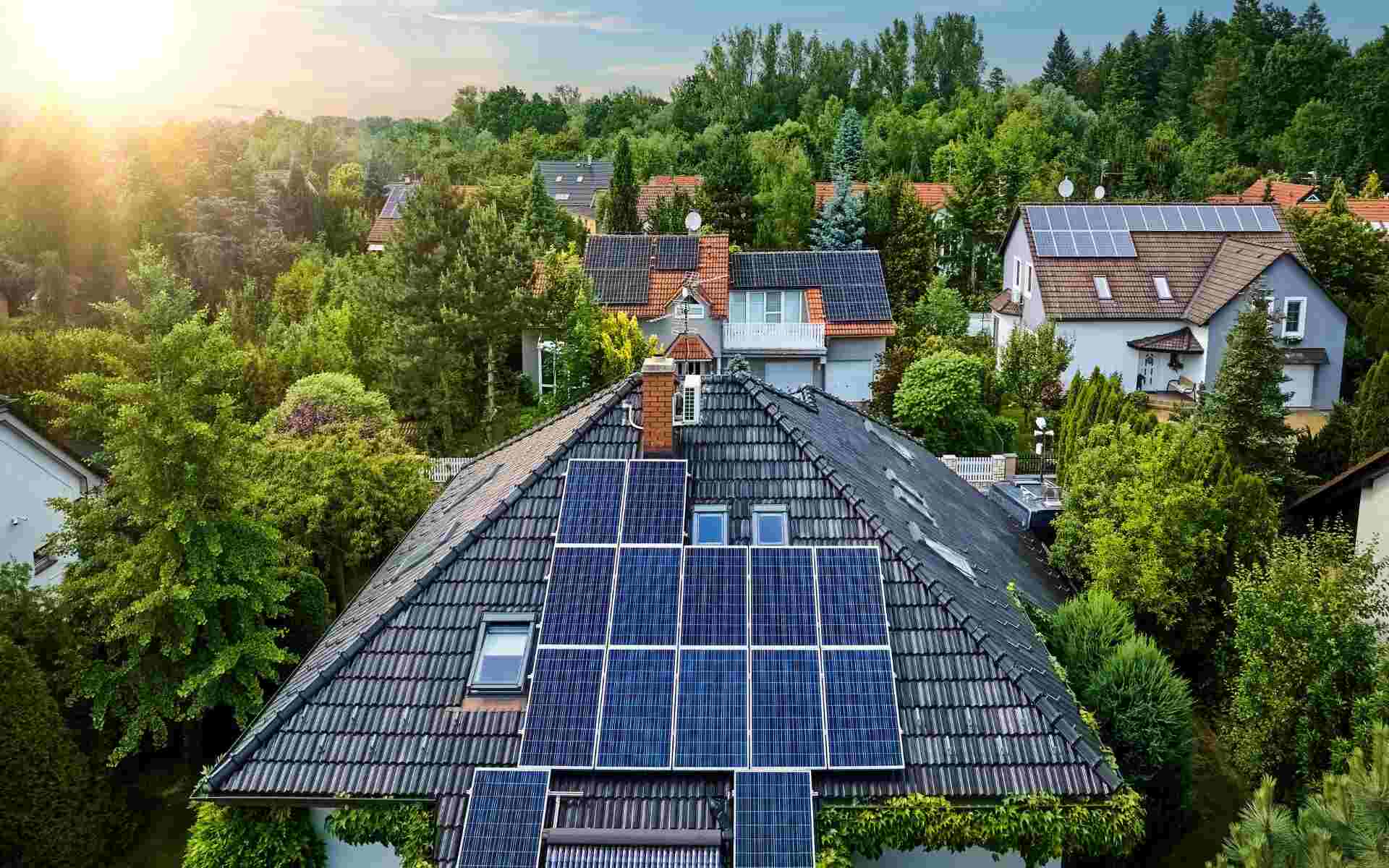
Today's residential solar power goes far beyond panels that only work when the sun shines. A complete system now pairs high-capacity battery storage with generation units, letting homes capture surplus electricity and use it after dark or on overcast days. This generate-and-store approach reduces dependence on the utility grid, giving homeowners direct control over their energy and shrinking their carbon footprint. Batteries also provide backup power during outages, keeping lights, refrigerators, and other essentials running. Homes effectively become mini power plants, contributing to a more decentralized energy landscape. Many new builds now factor energy readiness into the initial design, treating it as essential as plumbing. Behind the scenes, intelligent software acts as a silent manager, analyzing usage patterns, weather forecasts, and utility rates to automatically decide when to store or release power—ensuring peak efficiency without any manual work.
Why Self-Consumption Beats Selling Back to the Grid
The economics of solar have shifted dramatically. Instead of maximizing power exports to earn credit from the utility, the smartest strategy now is to consume as much of your own solar energy as possible. With utility buy-back rates declining and retail electricity prices rising, every kilowatt-hour you use directly from your system saves more money than selling it. Advanced batteries capture energy that would have been exported at a low price and release it when grid rates are highest—typically in the evening. This means the goal is no longer covering every inch of roof with panels; instead, it's optimizing system size and investment to match household consumption. Innovative financing programs let homeowners install sophisticated setups with little or no upfront cost through leases or service agreements, making high-end energy management accessible to more families.
Battery Safety and Real-Time Monitoring
Hardware only performs well when paired with smart software and robust safety protocols. The battery's control circuitry—often called its brain—balances voltage across lithium-ion cells, prevents overheating, and manages charge cycles to avoid degradation. These management systems extend battery life while the industry awaits solid-state technology promising even higher safety and energy density. Equally important is visibility: IoT-based tools provide real-time dashboards showing exactly which appliances are drawing power and when. Homeowners can practice load shifting, scheduling energy-intensive tasks like laundry or EV charging during peak generation hours. Constant data streaming also serves as a continuous health check—if a panel underperforms due to shade or debris, the system alerts the user immediately. This proactive approach turns maintenance into a data-driven process, preserving the asset's value over decades.
The Road Ahead: Smarter, Cheaper Energy Independence
Residential solar power management has become an integrated platform combining generation, storage, software, and financial optimization. As costs continue to fall and technology improves, true energy independence is becoming attainable for more homeowners. The future points toward even smarter systems that blend seamlessly with home automation, reducing manual oversight and maximizing the return on investment in renewable energy. With each advancement, the dream of a self-powered home moves closer to reality.