How Smart Technology Helps Seniors Age in Place Independently and Safely
Discover how smart devices like wearables, voice assistants, and AI telehealth empower seniors to live independently. Learn key technologies and market trends.
Introduction: The Rise of Smart Senior Living
Across the United States, smart devices are transforming the way seniors live, offering greater independence, safety, and quality of life. From wearable health monitors that detect falls to AI-driven predictive care, these technologies empower older adults to age in place with confidence. The market reflects this shift: the U.S. smart home sector alone is valued at $81 billion in 2025 and projected to reach $389.8 billion by 2035.
Key Technologies Supporting Independence
Smart Home Automation and Voice Assistants
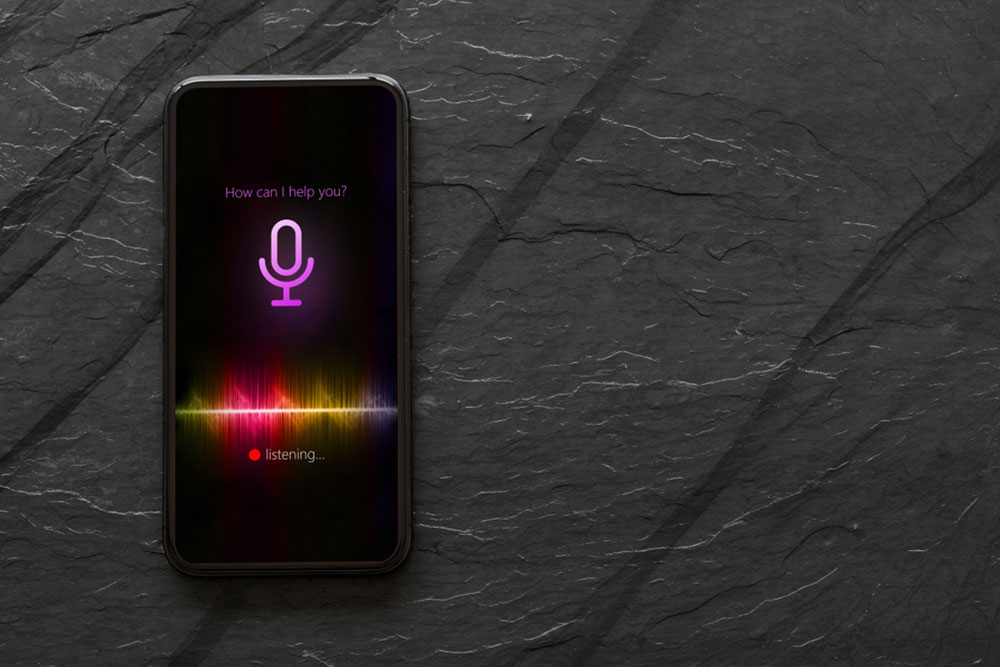
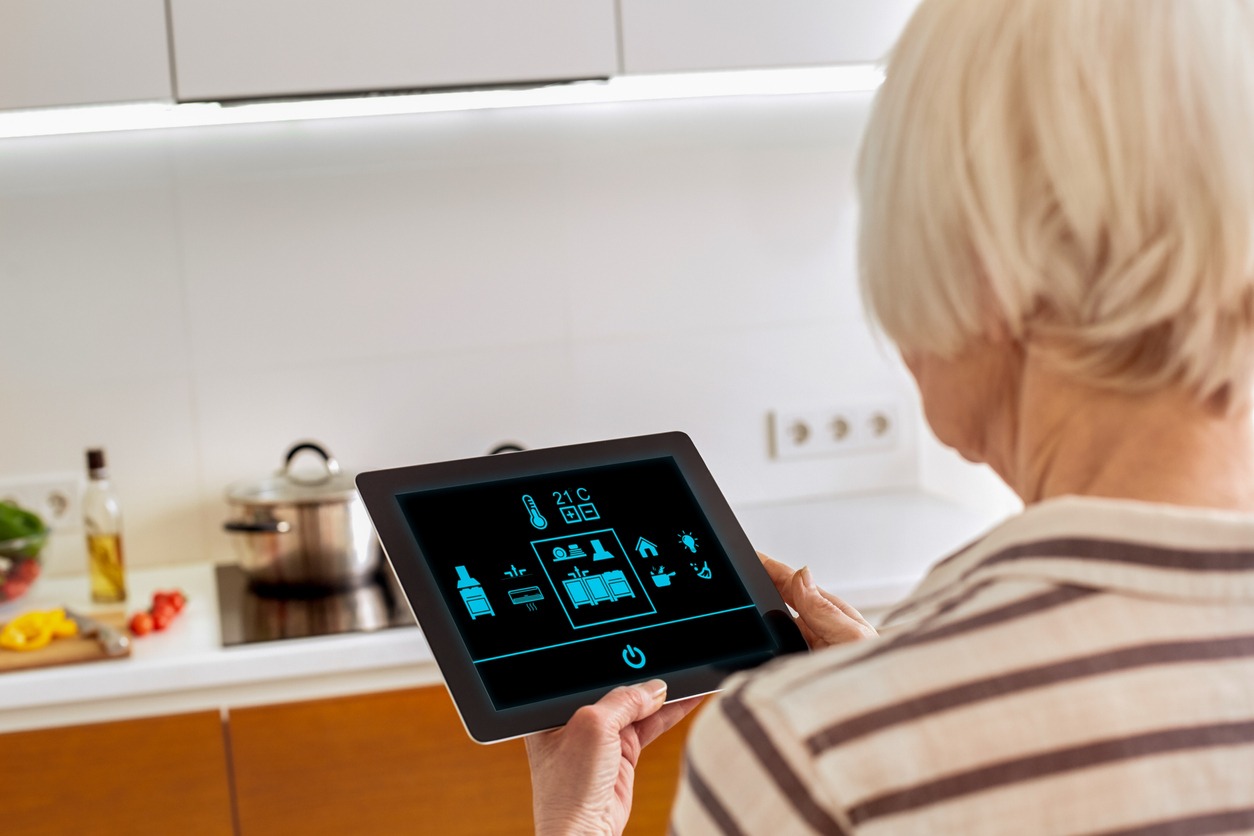
Intelligent thermostats, lighting, and voice-activated assistants simplify daily routines. Smart thermostats maintain comfortable temperatures automatically, while motion-sensing lights adjust without manual effort. Voice assistants provide hands-free control, reducing physical strain for those with limited mobility. The North American voice assistant market is expected to grow from $7.35 billion to $33.74 billion, with 93% of senior users reporting satisfaction and 43% using the technology for shopping—helping combat loneliness and preserve autonomy.
Wearable Devices and Remote Health Monitoring
Medical alert watches with fall detection and GPS tracking are vital for senior safety. Wearables also monitor heart rate, sleep patterns, and other vitals, sharing data with healthcare providers. This enables prompt emergency response and proactive health management, giving families peace of mind. Remote monitoring systems track health in real time, minimizing unnecessary hospitalizations. Smart leak detectors, security systems, and kitchen appliances with automatic shut‑off further enhance home safety.
AI and Telehealth for Proactive Care
Artificial intelligence platforms such as Teton.ai and August Health analyze data to predict health risks before emergencies arise. Telehealth services allow seniors to consult doctors from home, reducing hospital visits and travel burdens. The AI elderly care market is projected to surge from $34.42 billion to $208.59 billion, reflecting growing reliance on intelligent solutions. Voice AI also boosts medication adherence—achieving 60% compliance—and supports social engagement.
Market Growth and Remaining Challenges
Despite rapid advancement, many seniors find technology difficult to use. Simplicity and intuitive design are critical for widespread adoption. As the aging population grows, demand for user‑friendly smart devices will increase. Continued investment in AI and digital health promises even greater support for aging in place, ensuring seniors can maintain autonomy and dignity in their own homes.