Smart Technology Revolutionizes Senior Urban Mobility and Independence
Discover how AI-powered wheelchairs, telemedicine, smart infrastructure, and digital platforms are transforming senior urban mobility for independence and safety.
The Evolving Landscape of Senior Mobility
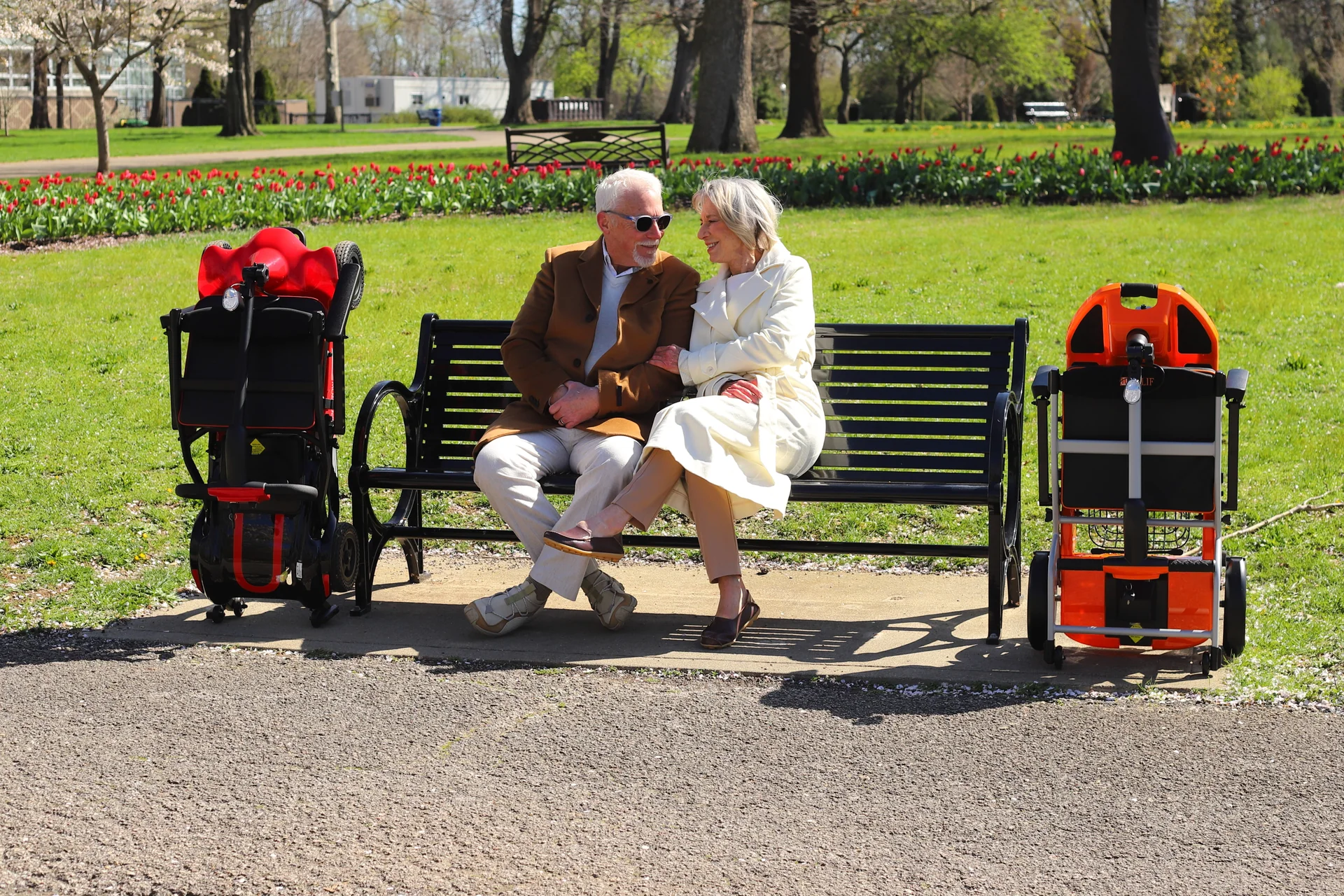
As cities become smarter, older adults are benefiting from a wave of technological breakthroughs that make urban navigation safer, easier, and more empowering. These innovations—ranging from AI-driven wheelchairs to digital health tools and connected infrastructure—are not merely about getting from point A to point B. They fundamentally enhance autonomy, reduce risks, and improve daily quality of life for seniors.
Intelligent Mobility Devices with AI and IoT
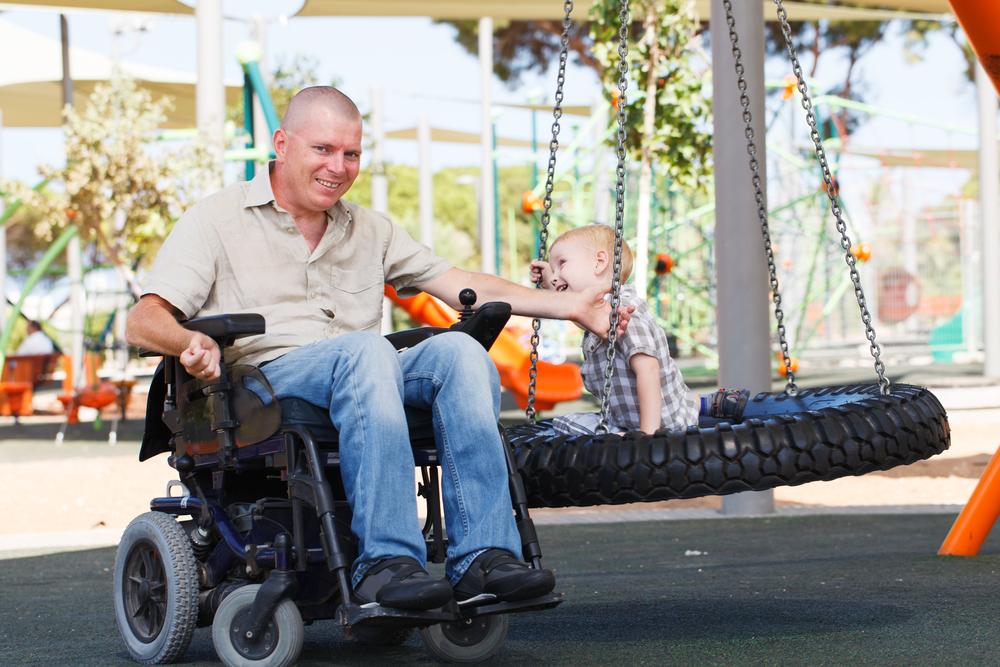
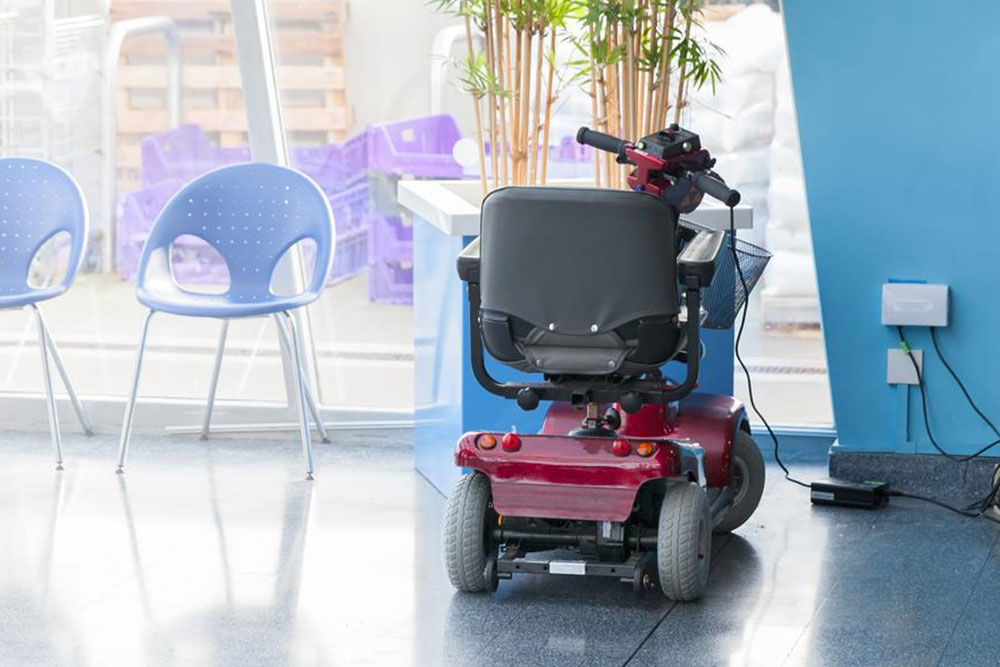
Artificial intelligence and the Internet of Things are turning conventional wheelchairs into smart companions. These devices learn individual movement patterns, automatically adjust speed, detect obstacles, and prevent collisions in real time. By adapting to crowded sidewalks, uneven surfaces, and complex city routes, they significantly lower fall risks and open up new possibilities for independent travel.
Remote Health Support for Active Aging
Telemedicine and wearable health monitors have become indispensable for seniors managing chronic conditions or limited mobility. Virtual appointments with specialists reduce the need for stressful clinic visits, while wearable devices track vital signs like heart rate and blood pressure, alerting caregivers to anomalies. This integrated care model ensures timely medical attention without sacrificing convenience or quality.
Smart Urban Infrastructure Designed for Seniors
Age-friendly cities combine seamless physical pathways with digital enhancements. Features such as barrier-free sidewalks, well-lit transit stops, and real-time navigation apps create smooth, safe journeys. AI-powered aids work in concert with these systems, enabling older adults to access healthcare, social events, and community services with confidence and ease.
Assistive Robotics and Wearable Technology
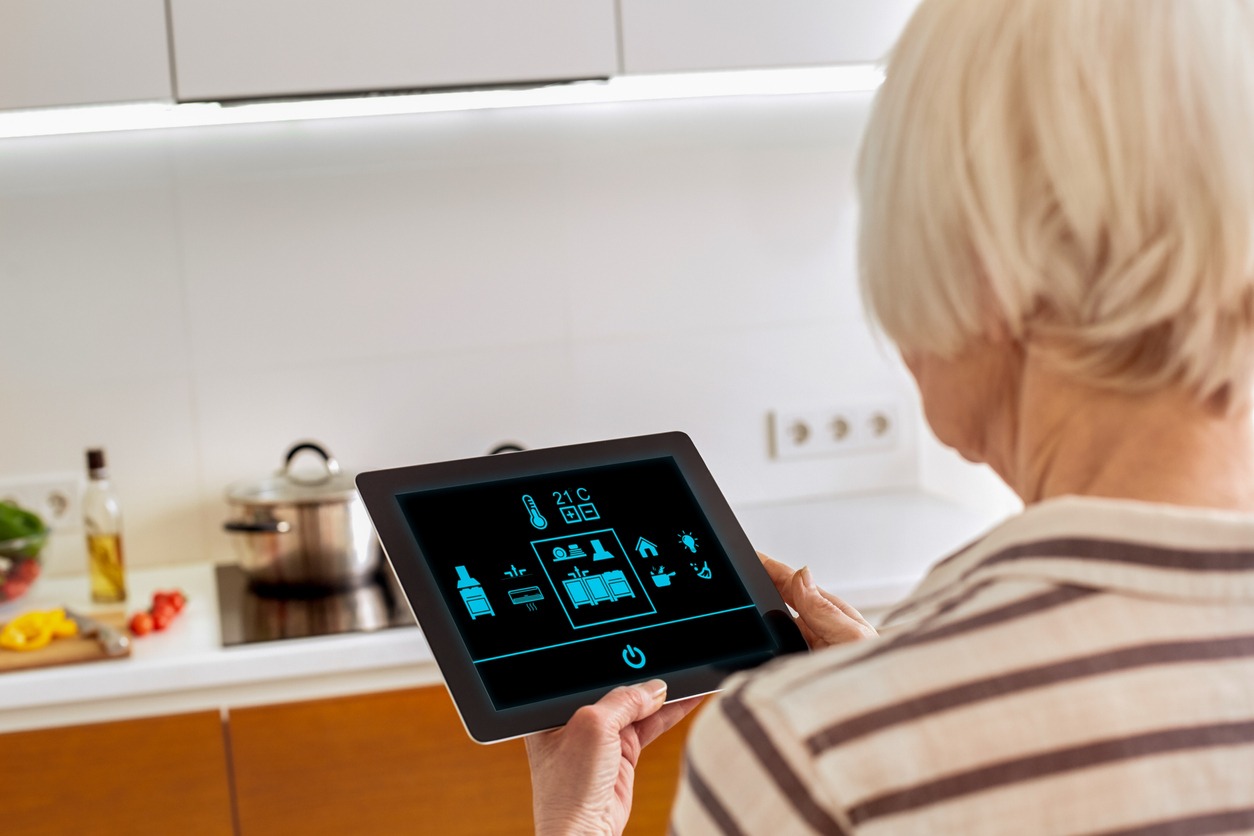
Robotic assistants are now practical tools for daily tasks and rehabilitation. Physically assistive robots support mobility, strength training, and in-home care. Wearable devices equipped with advanced algorithms detect walking irregularities and reduce fall risk. Smart wheelchairs with enhanced navigation and home automation further extend freedom and safety.
Transportation Apps Built for Seniors
Ride-hailing and integrated transit platforms are gaining traction among older adults. Features like real-time vehicle tracking, voice-guided navigation, and accessibility filters simplify travel planning. These tools allow spontaneous trips and reduce reliance on others, fostering greater autonomy and social engagement.
Frequently Asked Questions
Q1: How do AI and IoT specifically benefit senior mobility?
A1: AI and IoT power smart wheelchairs that learn user preferences, avoid obstacles, and navigate safely. They also enable continuous health monitoring and proactive care, boosting independence and confidence.
Q2: How is home technology adapting for aging in place?
A2: Smart home systems, intelligent wheelchairs, and IoT sensors create safer living environments. These adaptations reduce fall risks and allow seniors to remain comfortable at home longer.
Q3: What role do digital platforms play in senior transportation?
A3: Ride-hailing and navigation apps simplify travel with real-time tracking and accessibility options. They empower seniors to manage trips autonomously without relying on others.
Q4: Why are smart solutions better than traditional aids?
A4: Smart aids like electric wheelchairs and digital platforms offer adaptive, real-time support and personalized experiences, surpassing static tools like canes or walkers in safety and convenience.