Modern Veterinary Software: Integrated Practice Management for Better Care
Discover how modern veterinary software transforms practice management with cloud tools, client portals, and integrated features for efficient care.

The Rise of Cloud-Based Veterinary Software
Veterinary practice management has evolved significantly from the days of paper records and on-premise servers. Early software focused on basic scheduling and invoicing, but limitations in accessibility and high training demands hindered adoption. The shift to cloud computing transformed the landscape, allowing practices to access data remotely, automate backups, and receive seamless updates. Today’s platforms are full ecosystems that connect with lab equipment, imaging tools, and online pharmacies, reducing manual tasks and improving diagnostic accuracy.
Enhancing Client Communication and Care Efficiency
Client portals give pet owners 24/7 access to medical records, vaccination histories, and lab results, fostering transparency and trust. Secure messaging reduces phone call volumes, freeing staff to focus on patient care. Online booking simplifies scheduling, while automated SMS or email reminders cut no-shows significantly. Integrated digital records eliminate lost files and enable data analytics that uncover health trends, supporting proactive care and better resource allocation.
Core Capabilities of Modern Platforms
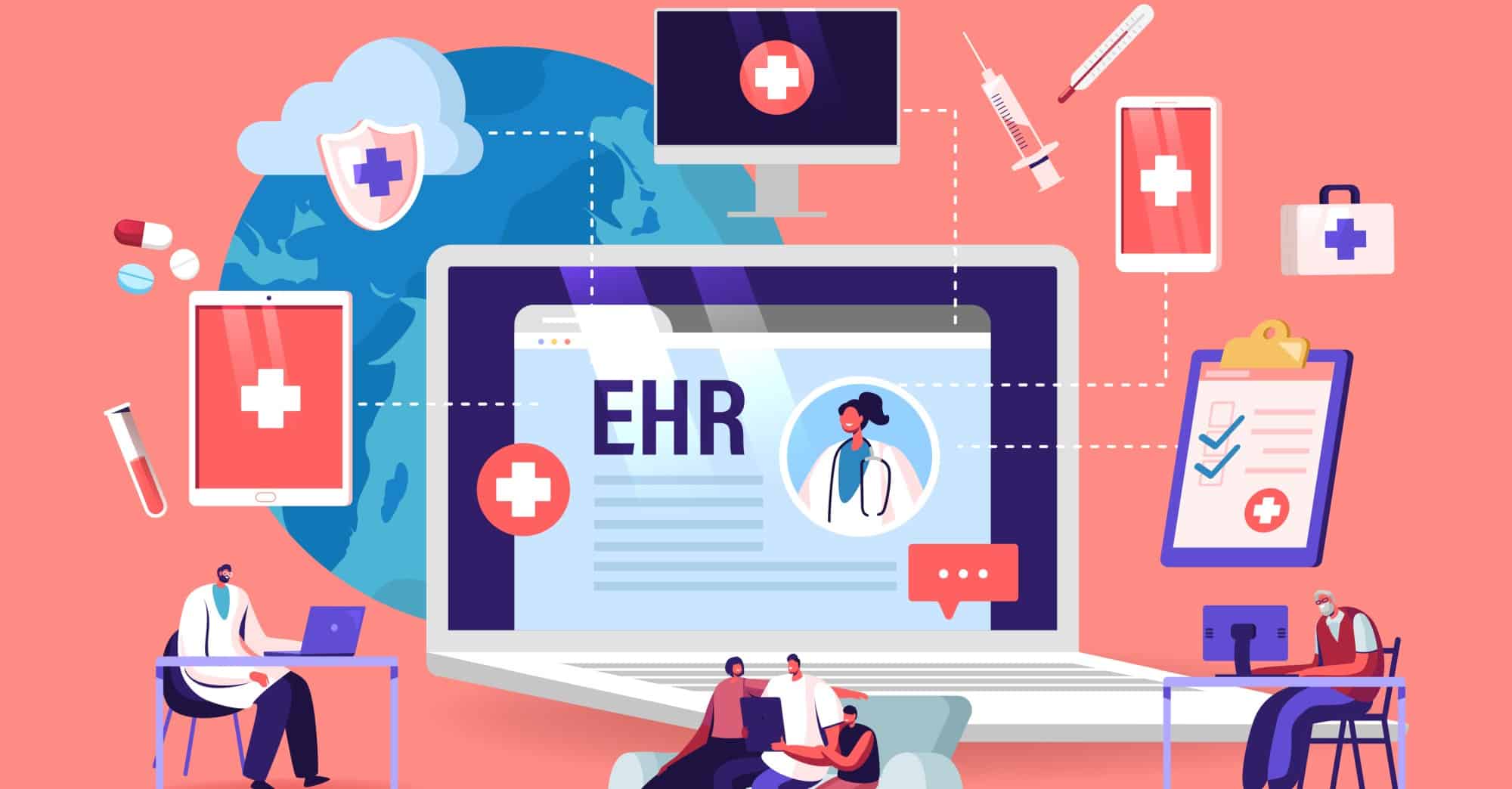
Modern veterinary software provides a unified suite for appointment management, electronic health records (EHR), billing, and inventory control. EHR systems centralize patient histories and lab results to speed diagnoses and ensure regulatory compliance. Billing modules generate accurate invoices, track payments, and integrate with online gateways to improve cash flow. Inventory management monitors stock levels, expiration dates, and automates reordering, minimizing waste and ensuring essential supplies are always available.
Overcoming Implementation Challenges
Transitioning to a new system often involves complex data migration, staff training, and integration with existing tools. Strategies such as phased rollouts, data cleansing, comprehensive training programs, and API-based integrations help mitigate these hurdles. Careful planning and a thorough needs assessment ensure a smooth transition, maximizing the long-term benefits of a connected, cloud-based practice management solution.