Gastric Bypass Surgery: Eligibility, Procedure, Benefits & Risks Guide
Guide to gastric bypass surgery: eligibility, procedure, benefits, risks, alternatives. Expert info to help you decide.
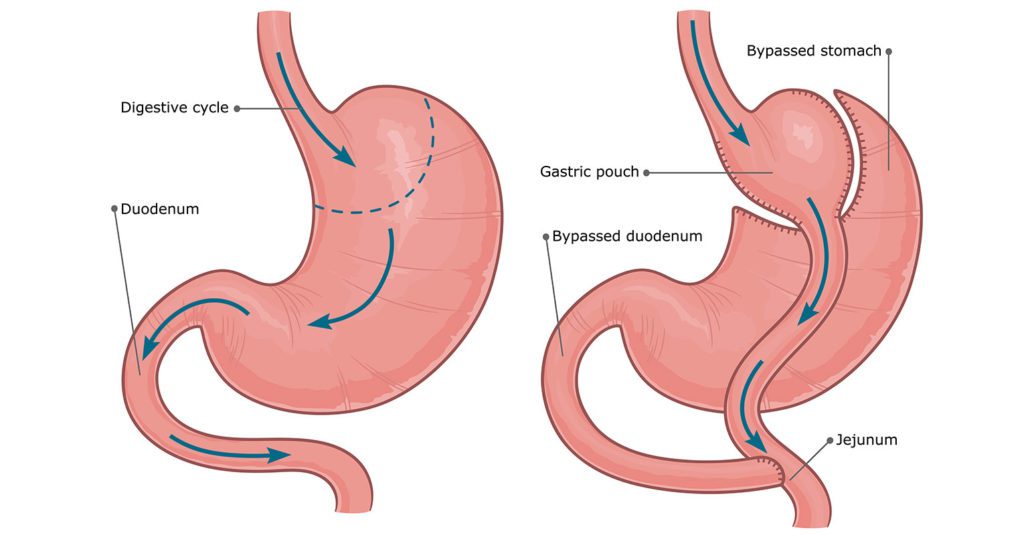
What Is Gastric Bypass?
Gastric bypass, medically known as Roux-en-Y gastric bypass, is a weight-loss surgery that creates a small stomach pouch (about the size of an egg) and connects it directly to the lower small intestine. This bypasses most of the stomach and the first part of the small intestine, reducing both the volume of food you can eat and the calories your body absorbs. The procedure also alters hunger hormones, further curbing appetite.
Who Qualifies for Gastric Bypass?
Typical candidates have a body mass index (BMI) of 40 or higher, or a BMI between 35 and 39.9 along with a serious obesity-linked health problem such as type 2 diabetes, high blood pressure, or sleep apnea. You must also have attempted and failed to achieve sustainable weight loss through diet, exercise, or medical programs. A thorough pre-surgery evaluation includes blood tests, imaging, nutritional counseling, and a psychological assessment to ensure you have realistic expectations and are ready for lifelong lifestyle changes. Many clinics provide free consultations to help determine eligibility.
The Gastric Bypass Procedure
Before Surgery
In the weeks leading up to the operation, you may be asked to follow a liquid diet to shrink the liver and reduce surgical risk. Medical tests are required, and smoking cessation is strongly encouraged. Alcohol consumption should also be minimized.
During Surgery
Performed under general anesthesia, the operation typically lasts 2 to 4 hours. Surgeons prefer laparoscopic (minimally invasive) techniques, which involve small incisions and lead to faster recovery times.
Recovery and Diet Progression
Hospital stays are usually 1 to 2 days. After discharge, you follow a strict diet timeline:
Weeks 1-2: Clear liquids (e.g., water, broth, sugar-free gelatin).
Weeks 3-4: Pureed foods like blended low-fat soups and yogurt.
Weeks 4-8: Soft foods such as scrambled eggs, mashed fish, and cooked vegetables.
From week 9 onward: Regular solid foods in small, well-chewed portions.
Long-term follow-up includes regular check-ups, lifelong vitamin supplementation (iron, calcium, vitamin B12, vitamin D), and ongoing nutritional counseling.
Benefits and Risks of Gastric Bypass
Expected Benefits
Excess weight loss of 60-80% within 12 to 18 months.
Significant improvement or remission of type 2 diabetes, high blood pressure, sleep apnea, and joint pain.
Enhanced mobility, self-esteem, and overall quality of life.
Possible Risks
Surgical risks: infection, blood clots, adverse reactions to anesthesia.
Nutritional deficiencies requiring lifelong supplements.
Dumping syndrome (nausea, sweating, diarrhea) after consuming high-sugar or high-fat foods.
Alternatives to Gastric Bypass
Gastric Sleeve Surgery
This procedure removes about 80% of the stomach, leaving a banana-shaped sleeve. It is simpler than bypass, carries a lower risk of nutrient deficiencies, and results in 50-70% excess weight loss.
Adjustable Gastric Banding
An inflatable band placed around the upper stomach creates a small pouch. Less invasive and reversible, this method yields 40-50% excess weight loss, but requires regular adjustments and has slower results.
Non-Surgical Weight Loss Programs
Medically supervised diet, exercise, and anti-obesity medications can be effective for individuals with a lower BMI or as preparation for surgery.
Comparison of Bariatric Options
Gastric Bypass: 60-80% excess weight loss; complex but highly effective.
Gastric Sleeve: 50-70% excess weight loss; less complex, irreversible.
Adjustable Band: 40-50% excess weight loss; reversible, slower progress.
Choosing the Right Procedure for You
Your decision should consider your overall health, the amount of weight you need to lose, and your commitment to lifelong dietary changes and medical follow-up. Consulting a board-certified bariatric surgeon—often through a free initial meeting—can help you compare procedures and set realistic goals.
Frequently Asked Questions
What is the success rate of gastric bypass? Most patients lose 60-80% of excess weight and maintain over half of that loss long term.
Is gastric bypass reversible? It is generally considered irreversible, although some complications may be surgically corrected.
How soon after surgery can I eat normally? Soft solids start at 4-8 weeks, and a regular diet begins around week 9, but you will always need to eat small, frequent meals and avoid sugar-rich foods.
Will I need plastic surgery after weight loss? Many patients consider body-contouring procedures to remove excess skin after significant weight loss.
Gastric bypass is a powerful tool when combined with healthy habits. Thorough evaluation by experienced professionals is essential for lasting results.