2025 EMT Certification Guide: How to Choose the Best Program and Launch Your Career
Learn how to become a certified EMT in 2025. Compare program types, costs, duration, and accreditation to choose the right training path.
Why EMT Training Matters in 2025
Emergency Medical Technicians (EMTs) are the backbone of pre-hospital emergency care. Choosing the right training program and navigating certification steps correctly can make or break your career in emergency medical services. This guide walks you through program selection, accreditation, costs, and licensure so you can become a certified EMT in 2025.
Steps to Become a Certified EMT
1. Meet Prerequisites
You need a high school diploma or GED, be at least 18 years old, pass a background check (some states require fingerprinting), and have up-to-date vaccinations including hepatitis B, tetanus, and possibly COVID-19.
2. Select an Accredited EMT Program
Only programs accredited by CAAHEP or recognized by the NREMT qualify you for certification exams. Check accreditation before enrolling to avoid wasted time and money.
3. Complete Training
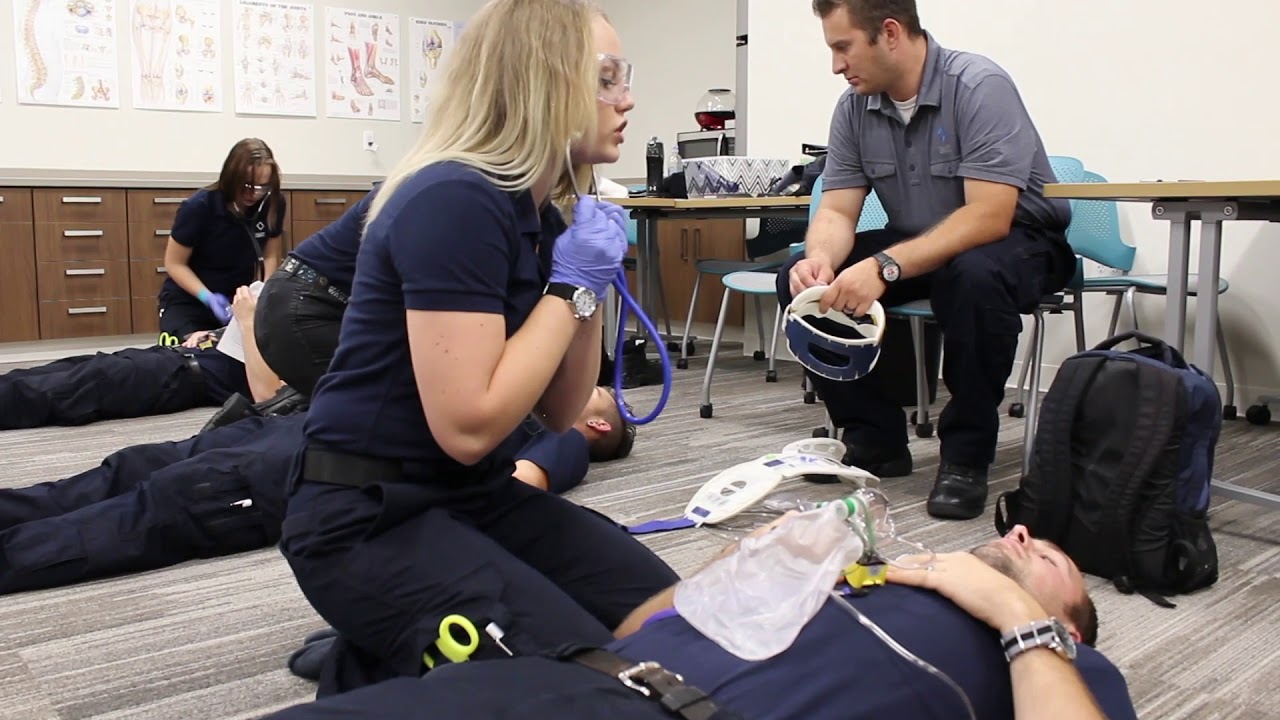
EMT training combines classroom instruction, skills labs, and clinical rotations in ambulances or hospitals. You will learn patient assessment, CPR, basic life support, trauma care, oxygen administration, medication administration, and how to handle strokes, heart attacks, and other emergencies.
4. Pass the NREMT Exam
After training, take the National Registry of Emergency Medical Technicians exam. It includes a cognitive (written) portion and a psychomotor (practical) skills test. Some states add extra requirements.
5. Obtain State Licensure
Submit your NREMT results, pay licensing fees, and complete a background check. Requirements differ by state.
6. Launch Your Career
Licensed EMTs work for ambulance services, fire departments, hospitals, or law enforcement. Many use this experience as a stepping stone to becoming paramedics, nurses, or physicians.
How to Choose the Right EMT Program
Accreditation and Recognition
Only programs accredited by CAAHEP (Commission on Accreditation of Allied Health Education Programs) or recognized by the NREMT will allow you to take the certification exam. Non-accredited programs are a dead end.
Program Duration and Structure
Basic EMT (EMT-B) training takes about 6 months. Advanced EMT (EMT-A) requires about 12 months. Paramedic (EMT-P) programs last 1–2 years. Accelerated courses can finish in 8–10 weeks but demand full-time commitment. Part-time and evening options exist for those with busy schedules.
Cost and Financial Aid
| Program Type | Average Duration | Typical Cost | Key Skills |
|---|---|---|---|
| Basic EMT | 6 months | $1,000–$3,000 | Fundamental emergency care |
| Advanced EMT | 1 year | $3,000–$7,000 | IV therapy, medication administration |
| Paramedic | 1–2 years | $6,000–$15,000 | Advanced life support |
| Online EMT | Varies | $500–$4,000 | Flexible; requires in-person clinicals |
To reduce costs, explore community colleges, scholarships and grants, employer-sponsored training (often with a work commitment), and payment plans.
Online vs. In-Person Training
Online programs offer flexibility and lower tuition but still require in-person clinical hours. Some states do not accept online-only training. In-person programs provide more hands-on practice and direct instructor feedback but are often more expensive and less flexible. Hybrid programs offer a middle ground.
Frequently Asked Questions
How long does it take to become an EMT? Basic EMT training takes about 6 months; paramedic programs take 1–2 years.
Can I become an EMT entirely online? Partial online coursework is possible, but hands-on clinical training is always mandatory. Many schools offer hybrid programs.
What is the average cost of EMT training? Basic EMT ranges from $1,000 to $3,000; paramedic programs cost $6,000–$15,000. Community colleges are the most affordable option.
Do EMTs need to renew certification? Yes, recertification is required every 2–3 years through continuing education and exams.
Is financial aid available? Yes, options include scholarships, grants, employer-sponsored programs, and payment plans.