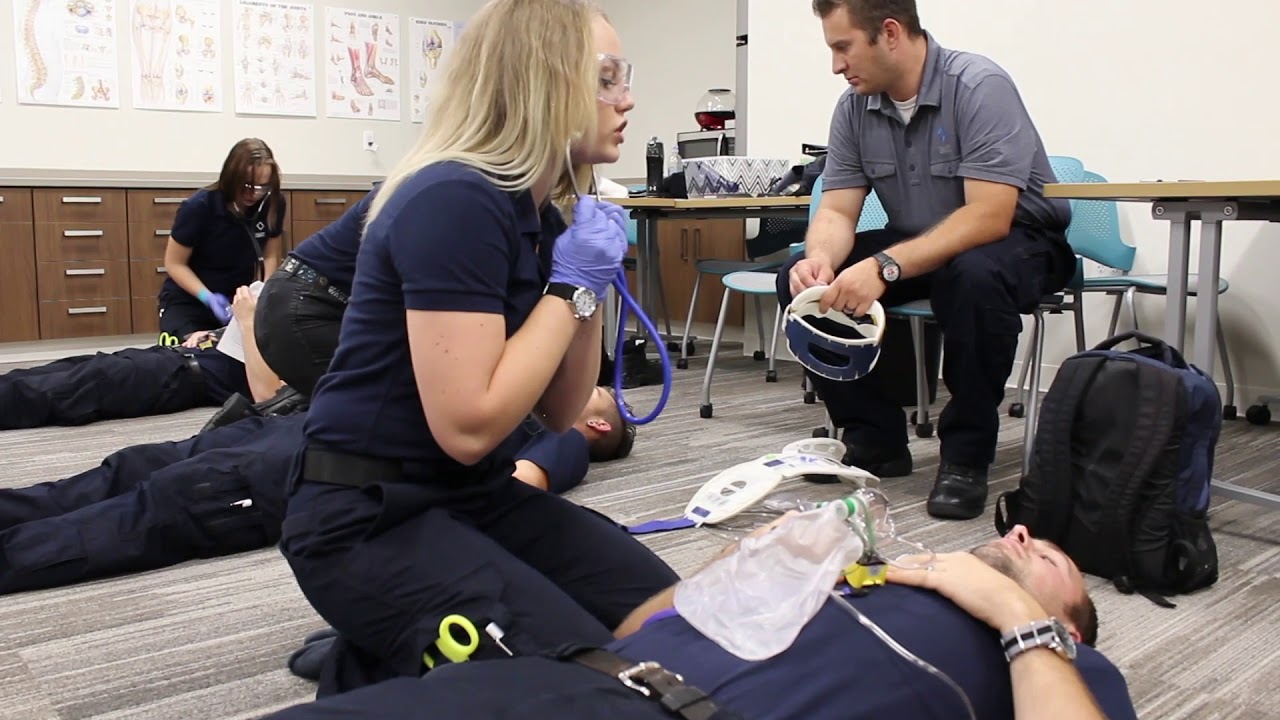
Online Paramedical Certificate Courses: Launch Your Emergency Medical Career
Discover top online paramedical certificate courses. Compare EMT, ACLS, PALS, TNCC programs. Learn benefits, costs, career paths, and future trends.
Your Path to a Rewarding Emergency Medicine Career
Online paramedical certificate courses offer a flexible, affordable route into the fast-paced world of emergency medical care. These programs cover essential skills like first aid, patient assessment, and life support, preparing you for roles such as EMT or paramedic. With options ranging from a few days to several months, you can balance training with your current commitments and enter the workforce quickly.
Benefits of Online Paramedic Training
Pursuing certification online comes with distinct advantages:
Flexibility: Study at your own pace, from anywhere.
Cost-Effectiveness: Tuition is often lower than traditional in-person courses.
Quick Entry: Short completion times let you start working sooner.
Real-World Application: Skills can be used immediately in emergencies.
Career Growth: Certification can lead to higher pay and advanced roles.
Popular Certification Options at a Glance
Several widely recognized online paramedical certifications cater to different career stages. The table below compares key options:
| Course Type | Duration | Cost Range | Key Skills Taught |
|---|---|---|---|
| Emergency Medical Technician (EMT) | 6–12 months | $1,000–$3,000 | Basic life support, patient assessment |
| Advanced Cardiac Life Support (ACLS) | 2–4 weeks | $150–$300 | Cardiac arrest management, pharmacology |
| Pediatric Advanced Life Support (PALS) | 2–4 weeks | $150–$300 | Pediatric assessment, respiratory distress |
| Trauma Nursing Core Course (TNCC) | 2 days | $300–$500 | Trauma care, patient stabilization |
Source: Various accredited paramedical training institutions' websites
Career Opportunities After Certification
Upon earning your certification, you can pursue roles such as EMT, paramedic, flight paramedic, or emergency room technician. Each role demands specific skills but all contribute to saving lives. According to the U.S. Bureau of Labor Statistics, employment of EMTs and paramedics is projected to grow by 6% from 2019 to 2029, driven by increasing medical emergencies and advances in technology.
How to Choose the Right Course
Career Goals: Match the certification to your desired role (e.g., EMT for front-line response, TNCC for trauma nursing).
Accreditation: Ensure the program is recognized by a reputable accrediting body.
Course Content: Review the syllabus to confirm it covers the skills you need.
Instructor Expertise: Look for qualified instructors with field experience.
Future Trends in Paramedical Education
The field is evolving with new technologies:
Virtual Reality (VR) and Augmented Reality (AR): Simulate realistic emergency scenarios for immersive practice.
Artificial Intelligence (AI): Personalize learning paths and provide real-time feedback.
Telemedicine: Train paramedics to handle remote patient consultations effectively.
Frequently Asked Questions
How long do online paramedical courses take?
Programs range from a two-day intensive (like TNCC) to 12-month comprehensive courses (like EMT), depending on complexity.
Are online certifications accepted by employers?
Yes, provided the course is accredited by a recognized agency such as the Commission on Accreditation of Allied Health Education Programs (CAAHEP) or similar.
Can I enroll without prior medical experience?
Many entry-level courses are beginner-friendly. Advanced certifications like ACLS or PALS may require a basic healthcare background.
What technology do I need?
A reliable internet connection and a computer or tablet are essential. Some courses may require specific simulation software.
How do I verify a program's accreditation?
Check the accrediting body's official website or contact the training provider directly.
Disclaimer: This article is for educational purposes only. Always verify details independently before making decisions. The author is not responsible for any inaccuracies.