2024 Atlantic Hurricane Season: Full Guide to Storms, Formation & Preparedness
Learn about the 2024 Atlantic hurricane season, including storm names, formation science, climate influences, and essential preparedness tips.
2024 Atlantic Hurricane Season Overview
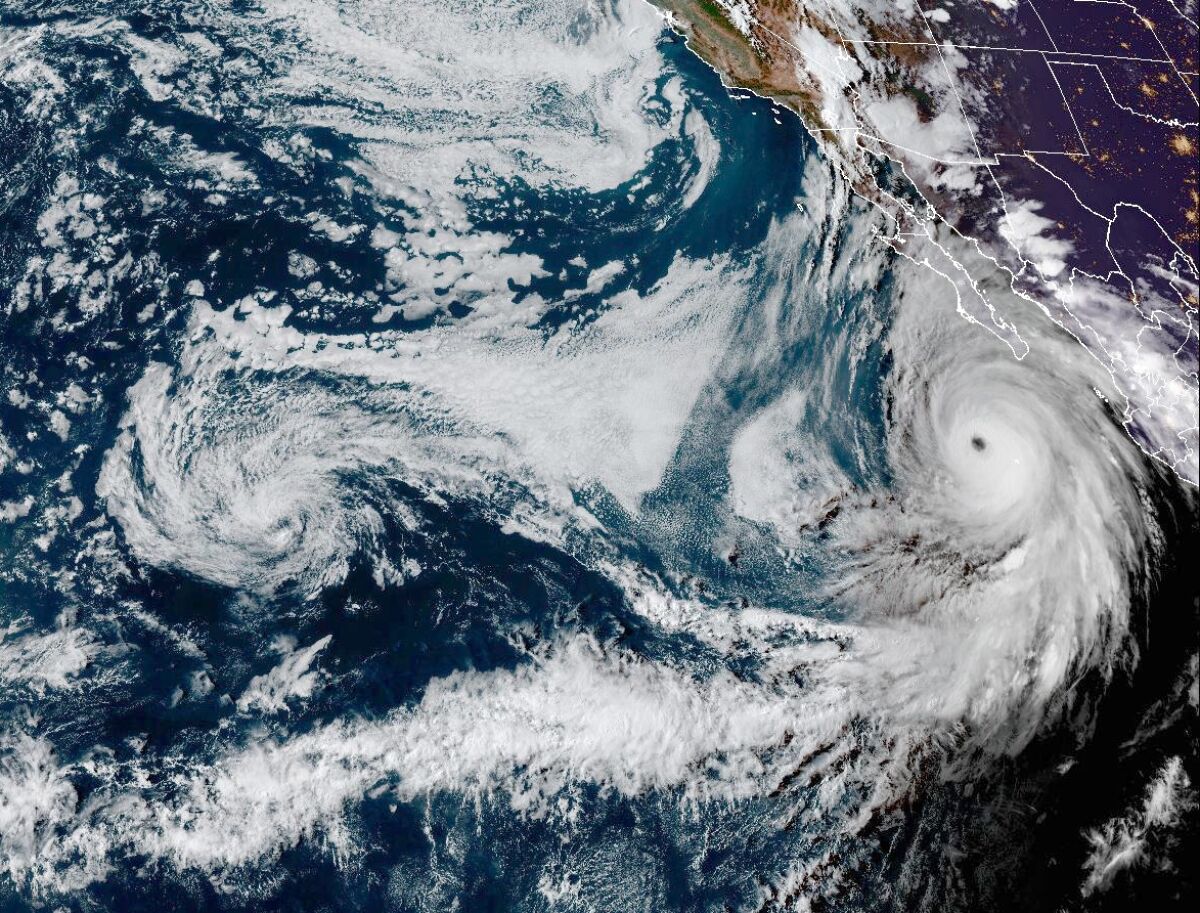
The 2024 Atlantic hurricane season officially spans June 1 to November 30, as designated by NOAA. Peak activity typically occurs from August through October. The Eastern Pacific season begins earlier on May 15 but also ends on November 30. This year has already produced several notable storms, making preparation essential for coastal communities.
How Hurricanes Form and Are Classified
Hurricanes (tropical cyclones) originate over warm ocean waters near the equator. Warm air rises, creating a low-pressure zone that draws in surrounding air. As moisture condenses, it releases heat, fueling the storm. Once sustained winds reach 39–73 mph (63–118 km/h), the system becomes a tropical storm and is given a name. When winds exceed 74 mph (119 km/h), it becomes a hurricane. The Saffir-Simpson Hurricane Wind Scale rates hurricanes from Category 1 to 5:
Category 1: 74–95 mph (119–153 km/h)
Category 2: 96–110 mph (154–177 km/h)
Category 3: 111–129 mph (178–208 km/h)
Category 4: 130–156 mph (209–251 km/h)
Category 5: 157 mph (252 km/h) or higher
Climate Patterns Affecting Hurricane Activity
Two major climate cycles influence hurricane formation and intensity. The El Niño–Southern Oscillation (ENSO) cycle: El Niño tends to suppress Atlantic hurricanes by increasing wind shear, while La Niña reduces wind shear and enhances storm development. The Atlantic Multidecadal Oscillation (AMO) is a longer-term pattern lasting 25–40 years; a warm-phase AMO with warmer Atlantic waters typically yields more active hurricane seasons.
Named Storms of the 2024 Season (as of Late September)
The following storms have been named so far:
Tropical Storm Alberto (June 19–20): Affected Louisiana, Texas, and Mexico.
Hurricane Beryl (June 28–July 11): Reached Category 5, impacted multiple Caribbean islands and Yucatán.
Tropical Storm Chris (June 30–July 1): Brought heavy rain to Mexico.
Hurricane Debby (Aug 3–14): Slow-moving Category 1, dumped heavy rain on Florida, Georgia, and the Carolinas.
Hurricane Ernesto (Aug 12–20): Caused flooding in Puerto Rico, struck Bermuda as a Category 1.
Hurricane Francine (Sept 9–12): Made landfall in Louisiana as a Category 2.
Tropical Storm Gordon (Sept 11–17): Dissipated over the Atlantic without landfall.
Hurricane Helene (Sept 24–present): Category 4 storm threatening Florida’s Big Bend region.
Tropical Storm Isaac (Sept 26–present): North Atlantic storm with 50 mph winds.
How to Prepare for Hurricane Season
Advance preparation can save lives and property. Key steps include:
Build an Emergency Kit: Stock water, non-perishable food, medications, flashlights, batteries, and important documents.
Plan Evacuation Routes: Identify safe routes and shelters, and practice the plan with your household.
Fortify Your Home: Install storm shutters, reinforce the roof, and secure outdoor items that could become projectiles.
Stay Informed: Monitor updates from NOAA and local news outlets during the season.
Review Insurance Coverage: Ensure your policy covers hurricane damage, including flood insurance if needed.
For official forecasts and updates, visit the NOAA Climate Prediction Center: NOAA Hurricane Season 2024.