Comprehensive Guide to Filing Hurricane Insurance Claims for Effective Recovery
This detailed guide provides essential insights for hurricane victims on how to effectively file insurance claims. It covers coverage limitations, documentation tips, additional support options, and how to navigate the recovery process smoothly. Empower yourself with knowledge to ensure prompt assistance and financial recovery after hurricanes.
Comprehensive Guide to Filing Hurricane Insurance Claims for Effective Recovery
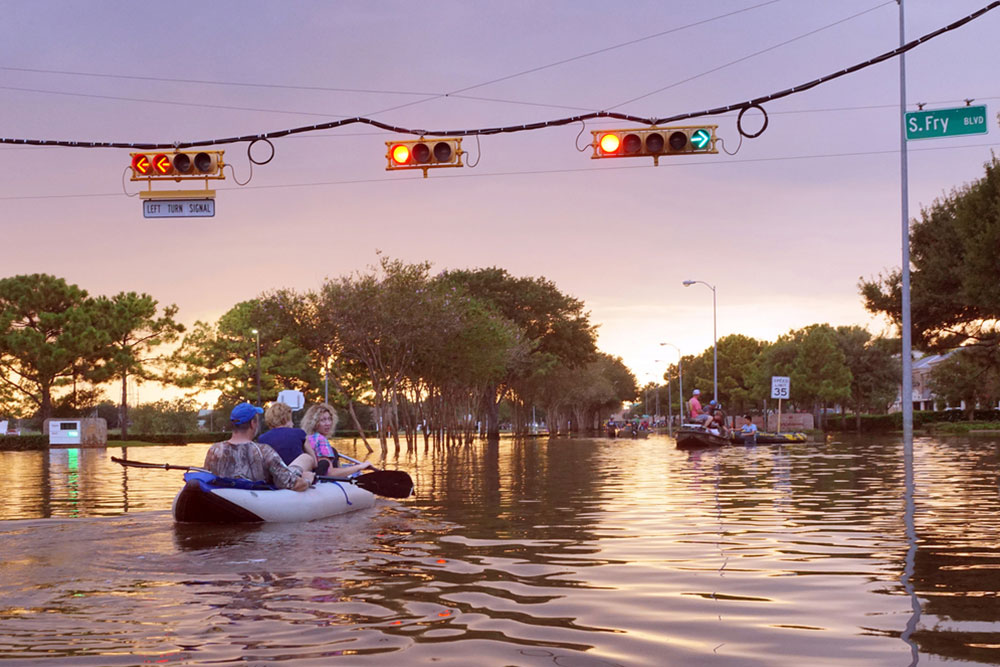
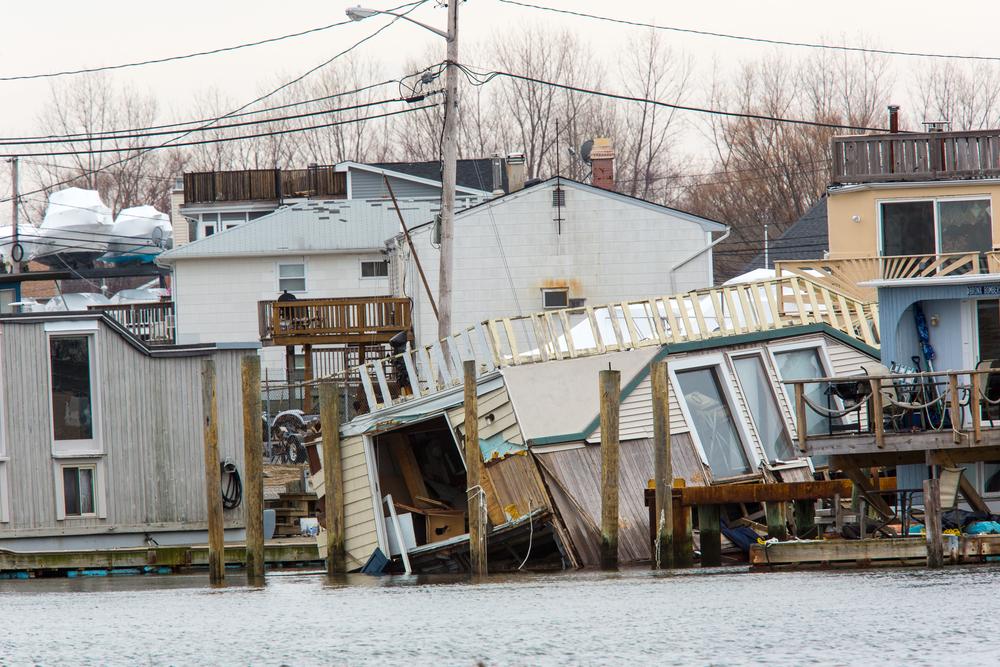
Hurricanes are formidable natural phenomena that periodically strike various coastal and inland regions, causing widespread destruction and upheaval in the lives of residents and property owners. These powerful storms can lead to extensive damage to homes, vehicles, and infrastructure, making insurance claims an essential part of the recovery process. Adequate preparedness and understanding of the claims procedure are critical to ensure swift assistance and financial reimbursement. This detailed guide explores the key aspects of filing hurricane insurance claims, providing valuable insights to help you navigate this complex process with confidence.
Understanding Home Insurance Limitations on Flood Damage - Most standard homeowner's insurance policies exclude coverage for flood-related incidents. To fully protect your property against flooding caused by hurricanes, it is vital to acquire specialized flood insurance coverage. This insurance is typically available through government-backed programs, such as the National Flood Insurance Program (NFIP), or private insurers offering tailored flood policies. In flood-prone areas, having comprehensive flood coverage can prevent substantial out-of-pocket expenses in the aftermath of a storm.
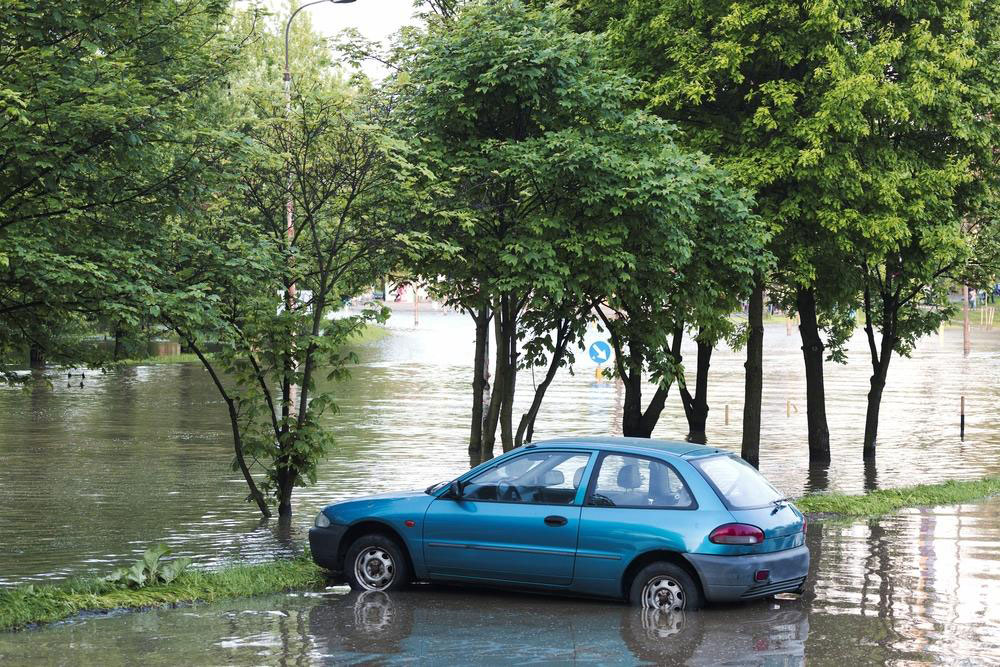
Vehicle owners should review their auto insurance policies, as many include coverage options for flood-related damages. Severe flooding can result in complete repair cost reimbursement after deductibles are applied. It's crucial to understand your policy’s provisions and ensure your coverage aligns with the risks associated with hurricane-induced flooding.
In recent years, insurance providers have enhanced flood damage coverage options, often incorporating higher deductibles to balance premiums. While premiums may increase, policyholders gain access to more robust protection for natural disasters, including hurricanes, storms, and floods, thereby reducing financial strain during emergencies.
Seeking Additional Support and Assistance - Beyond traditional insurance, several non-profit and governmental organizations offer essential services such as medical aid, financial support, and logistical assistance to hurricane victims. Engaging with these organizations can facilitate smoother recovery and help rebuild communities faster.
Coverage for Tree and Debris Damage - Hurricanes often cause trees to fall, resulting in property damage or blocked roads. Insurance policies generally provide coverage for repairs to your property if it sustains damage from falling trees. Additionally, if your property or local streets are affected by debris, some policies reimburse around $500–$1,000 for tree removal and clearing services.
Temporary Living Expenses During Repairs - When your residence becomes uninhabitable due to storm damage, insurance policies may cover temporary living expenses, including rent, food, and other associated costs. This coverage ensures victims can maintain stability and avoid financial hardship while repairs are underway.
Importance of Prompt Documentation and Claim Filing - To expedite the claim process, it’s crucial to document all damages immediately after the storm. Photographs, videos, and detailed records of affected items can significantly streamline the reimbursement process. Filing claims promptly not only reduces wait times but also minimizes stress during a challenging period.
Maintaining an Updated Inventory of Valuables - Create a comprehensive list of your possessions, including receipts, photographs, and appraisals. This inventory simplifies the claims process and ensures you receive appropriate compensation for your losses.
On-Site Support from Insurance Agencies - State and federal insurance agencies often provide dedicated on-site assistance following major disasters. Their representatives can answer questions, guide you through claim submissions, and clarify policy details. Utilizing these resources can lead to faster resolution and better support.
Government Resources and Support - Local and state agencies are tasked with helping residents during disasters. They offer vital resources such as emergency funds, shelter information, and guidance on navigating insurance claims. Staying connected with official channels ensures you access timely and accurate information during recovery.
Staying Informed and Connected - Keep yourself updated on insurance policies, disaster preparedness tips, and recovery news by following relevant social media accounts, including Facebook and Twitter. Being informed empowers you to make timely decisions and effectively manage your recovery efforts.
This comprehensive guide offers valuable insights into hurricane insurance claims, emphasizing proactive preparation, timely documentation, and leveraging available resources to ensure a quicker, smoother recovery process after a natural disaster.