Decoding Brain Communication: Neurons, Memory, and BCIs
Discover how neurons, memory, brain plasticity, and BCIs work together to shape human cognition and behavior.
How Neurons Power Brain Communication
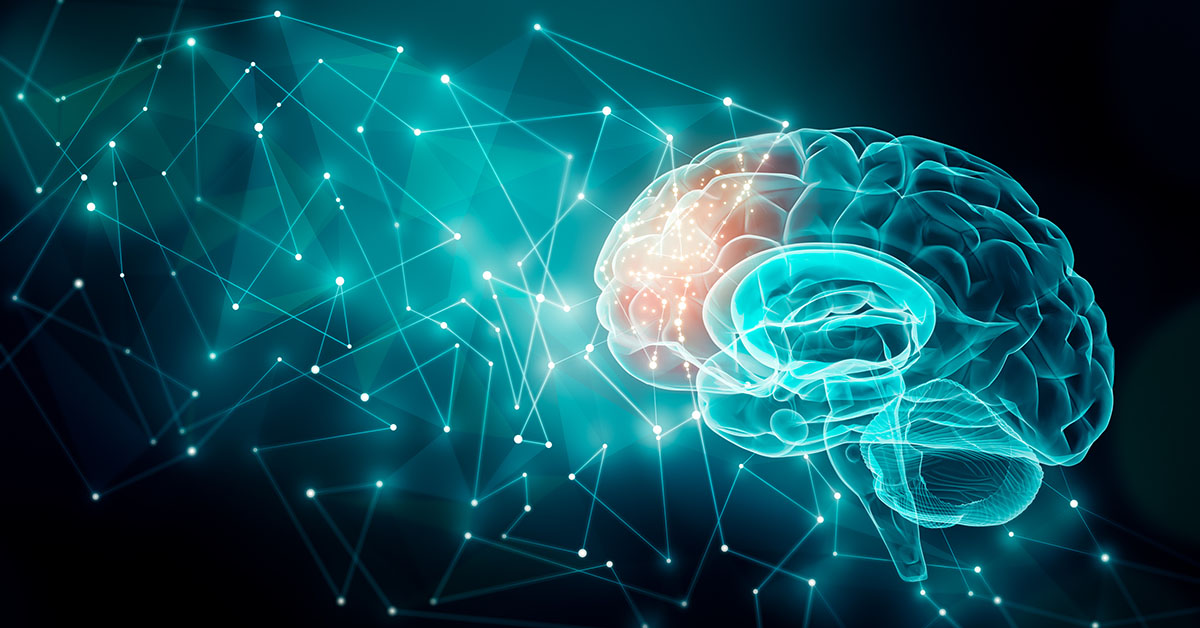
The human brain relies on billions of neurons to transmit electrical and chemical signals at lightning speed. These specialized cells form intricate networks that govern everything from basic reflexes to complex reasoning. For communication to remain accurate, the brain must maintain a delicate balance of electrolytes like sodium and potassium. Even minor disruptions can cascade, affecting cognition and behavior.
Memory Formation and the Hippocampus
Memories are not stored in a single location. Instead, the hippocampus coordinates the encoding and retrieval of information, distributing memory traces across different brain regions. When you recall an event, the hippocampus reassembles these scattered traces. Recent research shows that memory is a dynamic process: neurons constantly integrate new experiences with old ones, updating your internal model of the world.
Neuroplasticity and Novelty Detection
Neuroplasticity allows the brain to reorganize itself by forming new connections throughout life. Specialized novelty-detecting neurons help distinguish familiar from unfamiliar stimuli, supporting recognition memory. This adaptive mechanism enables efficient navigation of changing environments and plays a key role in recovery from injury or learning new skills.
Social Interaction and Brain Synchronization
Beyond individual processing, the brain is wired for cooperation. During teamwork, regions like the amygdala and temporoparietal junction activate in synchrony among group members. This neural alignment enhances collective performance and helps infer others' intentions, highlighting the brain's role in empathy and social bonding.
Brain-Computer Interfaces and Direct Neural Links
Advances in neuroscience now allow direct communication between the brain and external devices. Brain-computer interfaces (BCIs) decode neural activity patterns, translating thoughts into commands for prosthetics, communication aids, or computers. These systems offer therapeutic benefits for people with motor or sensory impairments and open possibilities for cognitive enhancement.
Non-Invasive Stimulation Techniques
Methods like transcranial direct current stimulation (tDCS) gently modulate neural activity without surgery. By leveraging the brain's natural plasticity, tDCS can enhance memory, focus, and learning. Meanwhile, mobile and wearable devices are enabling real-world studies of brain development, offering new insights into lifelong cognitive health.
Frequently Asked Questions
What are neural pathways and how do they influence memory formation? Neural pathways are networks of neurons that transmit signals. They strengthen during learning, making recall easier.
How does brain plasticity affect cognitive functions? Neuroplasticity allows the brain to reorganize by forming new connections, vital for learning, recovery, and cognitive enhancement.
What role do neurotransmitters play in brain function? Neurotransmitters like dopamine and serotonin regulate mood, decision-making, and memory. Imbalances can lead to disorders.
How are BCIs used in medical applications? BCIs enable direct brain-to-device communication, helping individuals with disabilities control prosthetics or communicate via computers.
Can enhancing neurotransmitter levels improve cognitive functions? Yes, but balance is key. Boosting acetylcholine may enhance memory, while increasing dopamine improves attention. Imbalances cause issues.