Unlock Your Brain's Potential: Neuroplasticity, Neurotransmitters, and Focus
Learn how neuroplasticity rewires your brain, how neurotransmitters protect it, and strategies to manage cognitive load for better memory and focus.
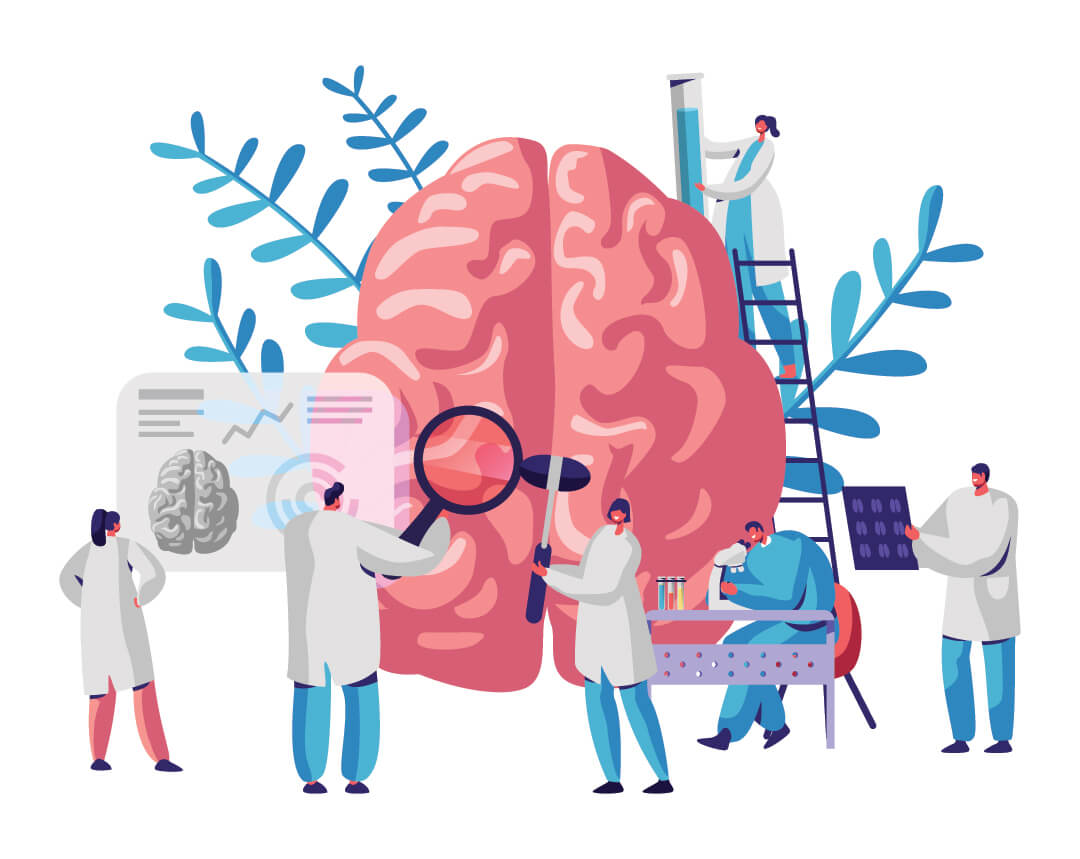
How Your Brain Rewires Itself Through Experience
Neuroplasticity is the brain's lifelong ability to reorganize neural pathways. Every new skill or memory physically alters brain structure. This "use it or lose it" principle means that active engagement keeps circuits strong. Musicians show enhanced auditory and motor regions; meditators develop stronger attention networks. After brain injury, plasticity allows other areas to compensate, forming new connections that restore function. Cognitive rehabilitation therapies leverage this adaptability to rebuild abilities.
Lifestyle Factors That Boost Neuroplasticity
Challenging activities—like learning a language or playing an instrument—stimulate new connections. Regular physical exercise increases blood flow and supports neuron growth. Adequate sleep consolidates learning and clears metabolic waste. A diet rich in omega-3s and antioxidants protects neural tissue. Stress management through mindfulness or relaxation also promotes a healthy plastic response.
The Role of Neurotransmitters in Brain Health
Neurotransmitters are chemical messengers that enable communication between neurons. They do more than transmit signals—they also protect nerve cells. A balanced chemical environment is essential for clear thinking, memory, and focus.
Key Neurotransmitters for Learning and Memory
Acetylcholine facilitates memory encoding by helping neurons fire precisely. Dopamine reinforces learning through reward and motivation. When these systems are balanced, information flows efficiently. Disruptions due to stress, poor sleep, or inflammation can impair cognition. Supporting neurotransmitter balance with good nutrition, exercise, and sleep is crucial.
Neuroprotection Through Balanced Chemistry
Chronic stress or poor diet can upset neurotransmitter levels, leading to nerve damage and cognitive decline. A stable internal environment, fostered by healthy habits, protects neurons. Antioxidants from fruits and vegetables reduce oxidative stress. Omega-3 fatty acids maintain cell membrane integrity. This neuroprotection helps preserve cognitive function as we age.
Managing Cognitive Load for Peak Focus
In our information-rich world, mental overload is common. Cognitive load refers to the amount of working memory effort required. When too high, performance suffers. Understanding the three types helps manage it: intrinsic load (task difficulty), extraneous load (distracting presentation), and germane load (productive mental effort for learning).
Strategies to Reduce Extraneous Load
Simplify your environment: declutter your workspace, turn off notifications, and use clear visual aids when studying. Break complex tasks into smaller chunks (chunking) to reduce intrinsic load. Focus on one thing at a time—single-tasking outperforms multitasking. Mindfulness meditation trains attention control, making it easier to return focus when distracted. Short breaks in nature can restore attentional capacity.
Advanced Techniques for Memory Enhancement
Beyond basic brain games, targeted techniques leverage neuroplasticity to boost memory. Non-invasive brain stimulation (tDCS or TMS) can enhance neural firing when paired with cognitive exercises. Personalized training programs that adjust difficulty based on real-time brain activity optimize learning efficiency. Emotionally charged events are better remembered, especially if they occur before sleep. Cultivate positive emotions, prioritize quality sleep, and stay curious—these holistic practices support natural memory processes.
Frequently Asked Questions
What is brain plasticity and how does it help cognitive functions?
Brain plasticity, or neuroplasticity, is the brain's ability to change structurally and functionally through experience. It enables learning, memory enhancement, and recovery from injuries. Continuously challenging the mind stimulates plasticity, leading to improved cognitive performance.
How does nerve protection contribute to brain health?
Nerve protection prevents damage to neurons from oxidative stress and inflammation. A diet rich in antioxidants, regular exercise, and stress reduction support long-term brain health and reduce risk of neurodegenerative diseases.
What are effective memory training strategies?
Mnemonic devices, chunking, spaced repetition, and regular mental exercises like puzzles or learning new skills strengthen neural pathways. Consistency and variety are key to improving memory capacity.
How does cognitive load affect learning?
High cognitive load overwhelms working memory, reducing learning efficiency. Managing load by simplifying information, using chunking, and minimizing distractions enhances understanding and retention.
What role do neurotransmitters play in focus?
Neurotransmitters such as dopamine and norepinephrine regulate motivation, alertness, and attention. Balancing them through proper nutrition, sleep, and stress management can significantly improve focus.