Snap-On Denture Attachments: A Complete Guide to Dental Clips for Implant Dentures
Learn how dental clips work as snap-on attachments for implant dentures, who they're for, maintenance tips, and how they compare to fixed implants.
Overview of Dental Clips for Implant Dentures
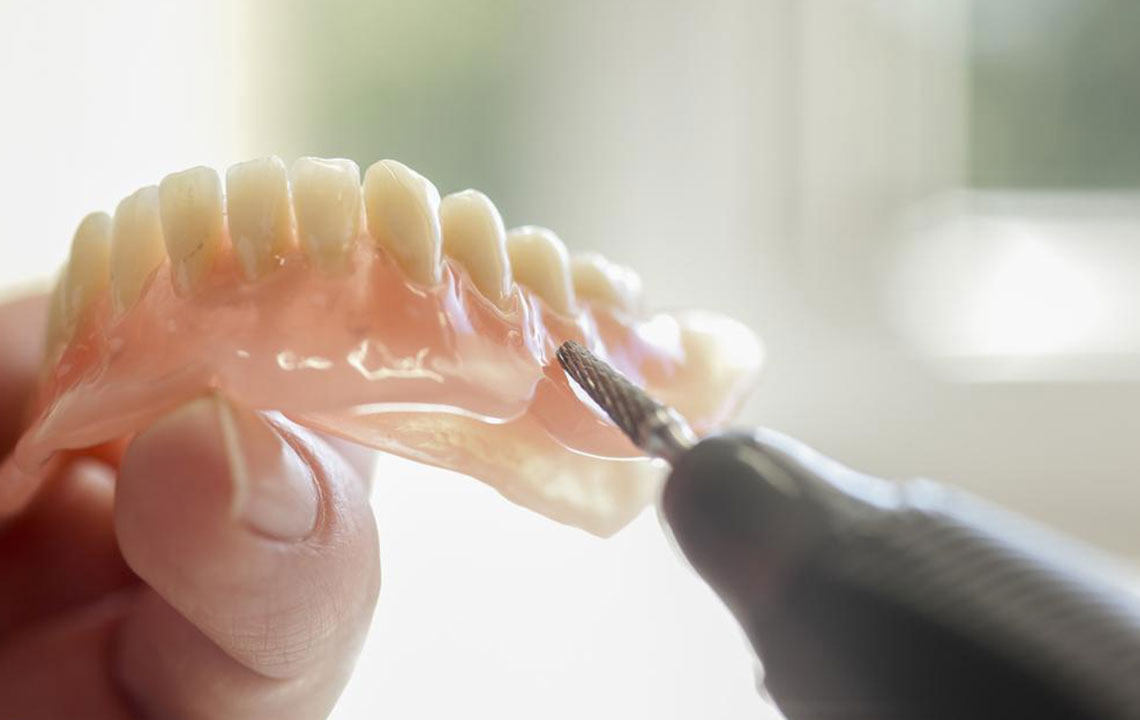
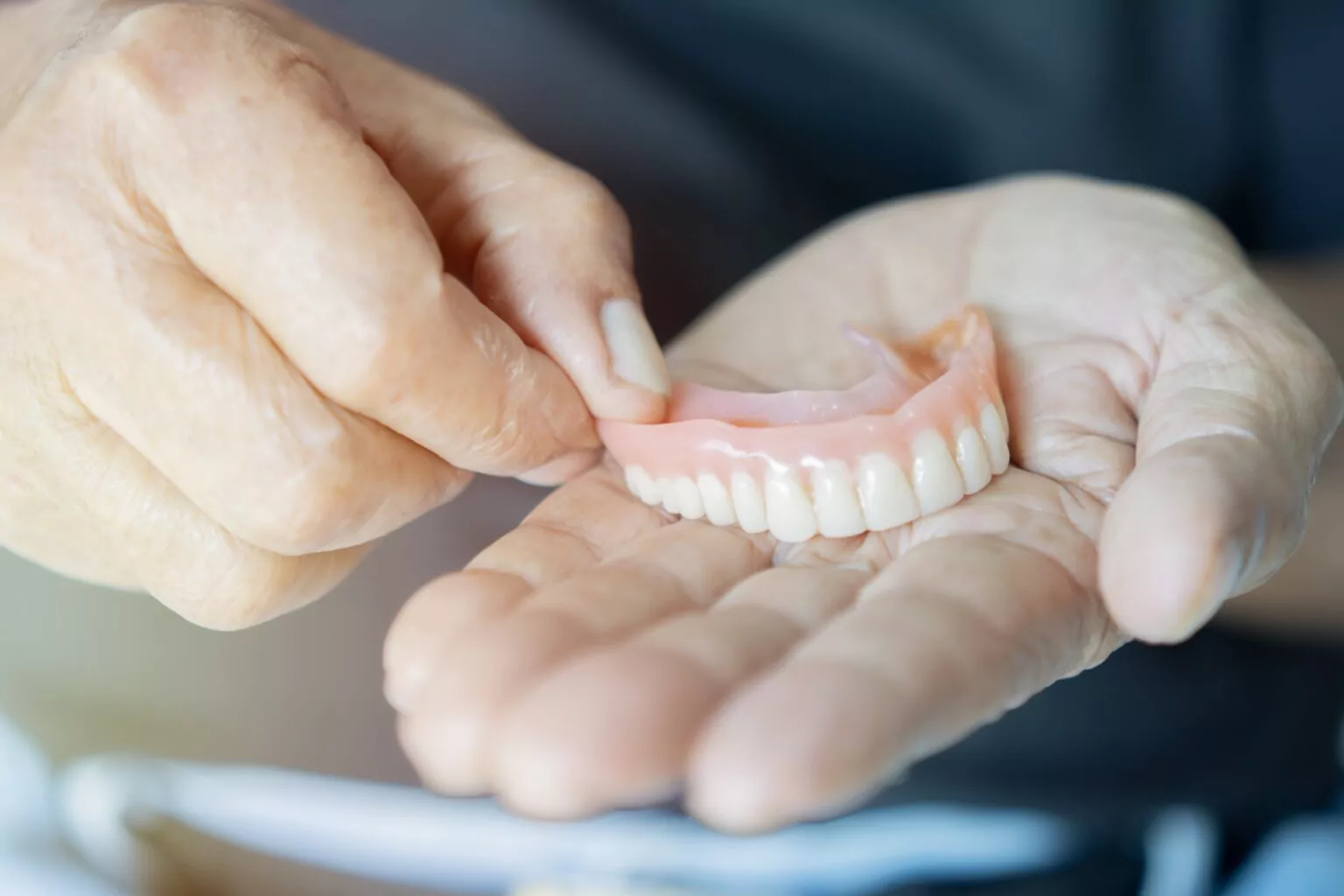
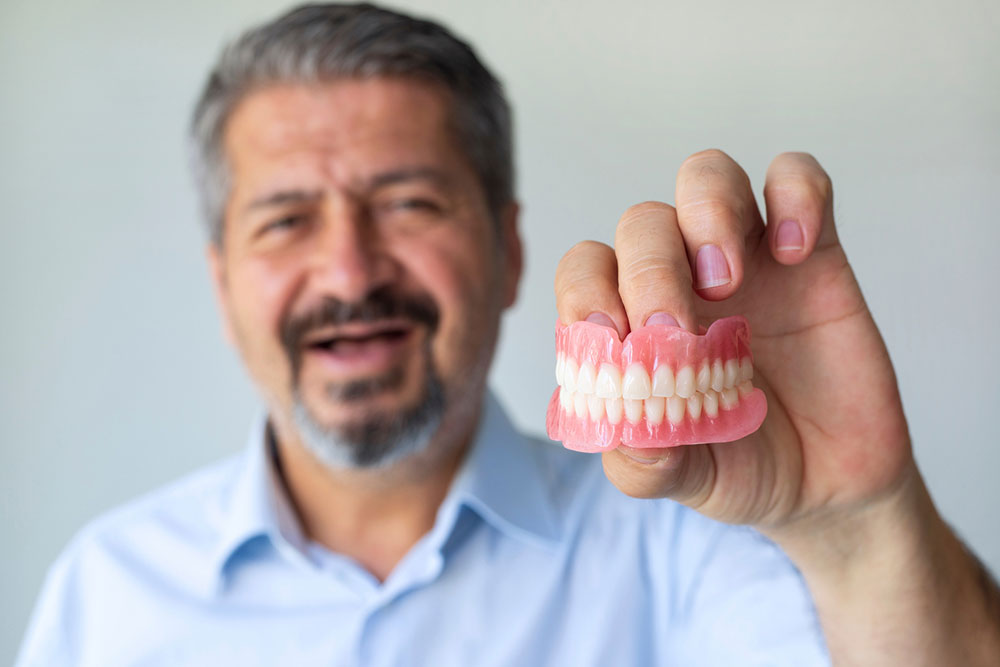
Dental clips are removable retention attachments that connect a denture to dental implants. Unlike orthodontic braces, these clips do not move teeth—they hold a prosthetic denture securely in place. The clip-and-implant system allows patients to snap the denture on and off for cleaning while enjoying excellent stability during eating and speaking.
How Dental Clips Work
The clips attach to implants that have fused with the jawbone. When the denture is pressed onto the implants, the clips engage and lock it. This design distributes chewing forces evenly across the jaw, preventing the wobbling or slipping common with traditional dentures. The result is a natural fit that supports normal function.
Who Is a Good Candidate?
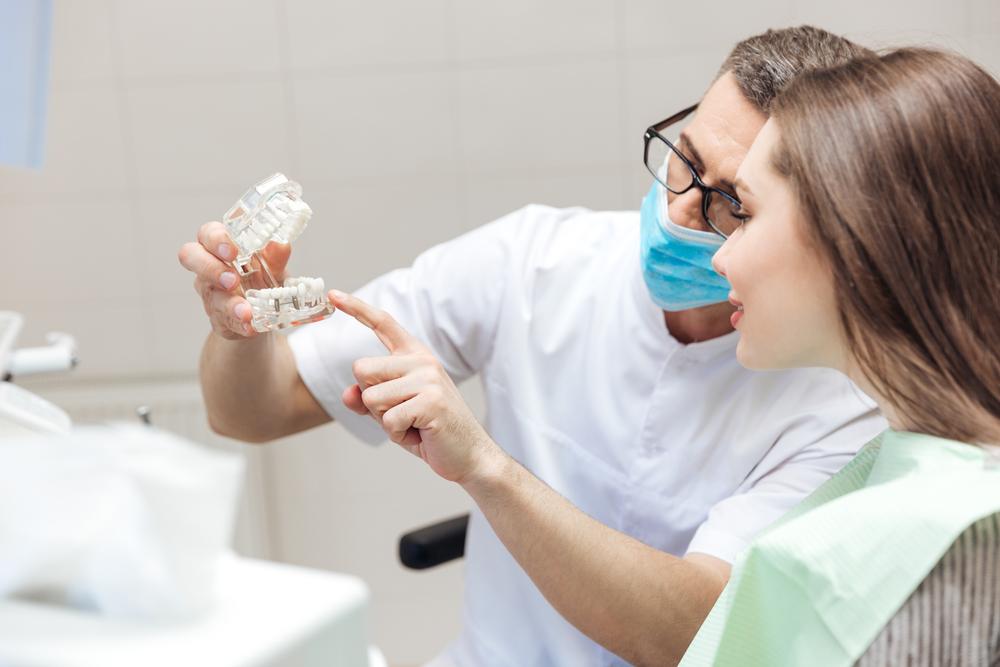
Ideal candidates have healthy gums and sufficient jawbone density to support implants. Active periodontal disease or extensive decay must be treated first. A thorough dental evaluation will confirm eligibility. Patients seeking aesthetic improvements—closing gaps or hiding discoloration—often benefit from clips, though they are not a substitute for orthodontic treatment.
Benefits of Clip-Retained Overdentures
These devices offer a balance of stability and removability. Patients can eat and speak with confidence, knowing their denture will not slip. Removability simplifies oral hygiene: the denture can be taken out for brushing and soaking. Modern materials like nylon and PEEK provide durability and a natural appearance. Clip-retained overdentures are often more affordable than fixed full-arch implant bridges, making them accessible for many patients.
Dental Clips vs. Fixed Implant Bridges
Both options require implant surgery, but the prosthesis differs. With clips, the overdenture is patient‑removable; fixed implants support a permanent crown or bridge. Clips need periodic replacement of attachment parts, while fixed implants have lower daily maintenance. Upfront cost of clips is generally lower, but long‑term maintenance may add up. Your dentist can help decide based on lifestyle and budget.
Maintenance Tips for Longevity
Clean clips daily with a soft brush and mild soap. Avoid hot water to prevent warping. When not in use, store the denture in a protective case. Regular dental check‑ups ensure the fit remains correct and the clips are in good condition. With proper care, dental clips can last for years.
Frequently Asked Questions
Can dental clips replace braces?
No. Clips are for retaining dentures, not moving teeth. Orthodontic braces are required for alignment.
Are dental clips visible when smiling?
Modern clips are designed to be discreet. Materials like clear PEEK or tooth‑colored nylon minimize visibility.
How long does it take to get used to dental clips?
Most patients adapt within a few days. The secure fit feels natural during eating and speaking.
Do dental clips require surgery?
Yes, because they attach to dental implants. Implant placement is a minor surgical procedure performed under local anesthesia.