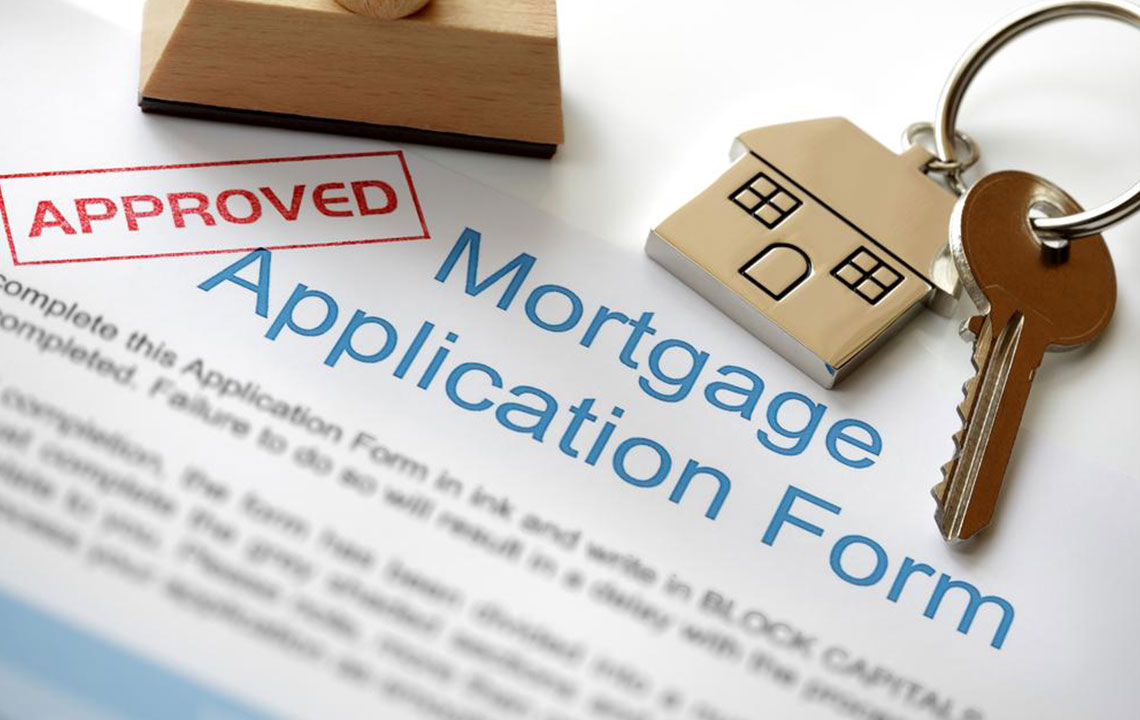
Online Mortgage Platforms: Empowering First-Time Buyers with Diverse Incomes
Digital mortgage platforms now help first-time buyers with non-traditional incomes, alternative credit data, and financial education. Learn how to apply safely.
How Digital Tools Are Opening the Door to Homeownership
For years, the mortgage process meant rigid branch hours, stacks of paperwork, and confusing jargon—enough to discourage many aspiring homeowners. Now, digital financial platforms are removing those hurdles, letting first-time buyers explore loans, check affordability, and get pre-qualified from a smartphone or laptop. This shift doesn't just add convenience; it creates a fairer playing field for groups that have been left out of traditional home financing.
Broader Credit Checks Behind the Scenes
Conventional lenders lean heavily on credit scores, often missing people who manage their finances outside the usual system—for example, those who pay rent and utilities on time but never had a credit card. Digital platforms are changing that by incorporating alternative data such as cash flow, rental history, and utility payments. This more complete view of creditworthiness recognizes reliable behavior wherever it appears, opening doors for families who previously couldn't prove their financial stability.
Supporting Non-Traditional Work Patterns
Many hardworking individuals—especially in cities—hold multiple jobs, run small businesses, or work in the gig economy. Traditional lenders struggle to verify income from so many sources. Digital platforms can connect directly to bank accounts and payroll systems, analyzing income trends rather than relying on a single pay stub. This approach validates the applicant's industriousness and turns diverse income streams from a perceived weakness into a strength.
Financial Education at Your Fingertips
The digital revolution has put financial literacy within easy reach. Online platforms now act as educational hubs, offering clear explanations of interest rates, amortization schedules, and closing costs. Borrowers can use calculators to see how extra payments affect long-term interest or how rate adjustments work. This transforms passive applicants into informed consumers who can avoid predatory terms and choose programs that support their long-term financial health.
Reducing Stress for Non-Native Speakers
Applying for a mortgage online removes the anxiety of in-person meetings, especially for those facing cultural or language barriers. Families can gather at home, discuss options in their native language, and rely on browser translation tools for initial steps. The ability to pause the application, consult trusted advisors, and come back later gives buyers control and ensures decisions are made with full understanding.
Staying Safe in a Digital World
While online mortgages are convenient, they come with risks. Simplified interfaces may hide origination fees or processing costs behind attractive rates. Applications might be rejected without a clear reason. Also, binding contracts are typically in English, so buyers may understand the sales pitch but miss critical clauses about penalties or variable rates. A hybrid approach—using digital tools for comparison and efficiency, then consulting community housing counselors or bilingual advisors—makes sure technology serves without sacrificing consumer protection.
FAQ: Online Home Loan Programs
How do I find an online home program loan application that fits my needs? Start by comparing lenders on interest rates, loan terms, fees, and customer reviews. Check each lender's reputation and the flexibility they offer. Use online comparison tools and ask a financial advisor for recommendations to narrow your choices.
How can I find online home program loans for sale in my area? Search online for local lenders offering these programs. Visit financial institution websites and check real estate platforms or local housing authority pages—they often list area-specific loan options.