Online DNA Testing: Uncover Ancestry, Health Risks & Privacy Pitfalls
Learn how AncestryDNA, 23andMe, and others reveal your heritage and health risks, plus key privacy and accuracy concerns.
How Online DNA Tests Work: A Window Into Your Past and Future
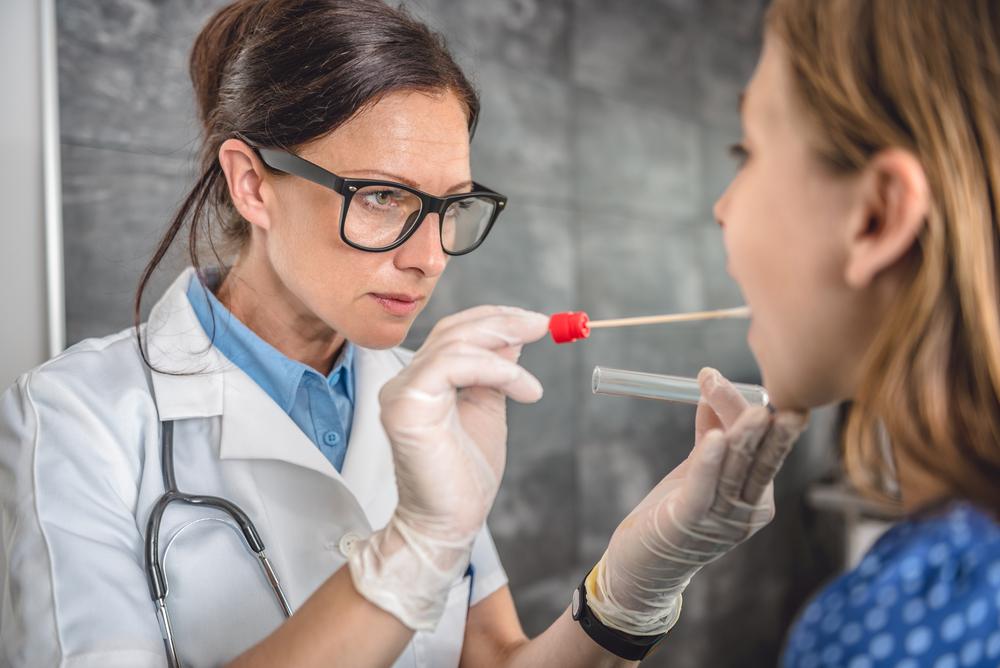
Oral traditions are no longer enough for those seeking deep ancestral connections. With a simple cheek swab or saliva sample, online DNA tests now offer direct links to ancestors across continents. These services go far beyond basic ethnicity estimates, providing family tree building, relative matching, and health and trait insights.
Leading Platforms in Genetic Exploration
AncestryDNA and 23andMe are household names, helping millions discover unknown relatives and build extensive genealogies. For those with British roots, LivingDNA delivers ultra-specific regional breakdowns within the United Kingdom. Enthusiasts seeking deeper analysis can use Genomelink to upload raw data for advanced chromosome-level trait and ancestry exploration.
| Platform | Unique Features | Best For |
|---|---|---|
| AncestryDNA | Extensive family tree and relative connections | Beginners interested in heritage |
| 23andMe | Ethnicity estimates plus health insights | Those wanting both health and ancestry |
| LivingDNA | Detailed UK regional breakdowns | Users with British ancestry |
| Genomelink | Advanced trait and global ancestry analysis | Enthusiasts seeking deeper data |
Privacy and Security: Protecting Your Genetic Data
The emotional desire to belong drives a multi-billion-dollar industry, but experts caution about data security. High-profile incidents of ancestry data exposure highlight the need for careful privacy policy review. While science improves, protecting your genetic blueprint is as important as the discoveries you make. AI processes millions of genomes to enhance predictions, but this reliance increases data security concerns. Your digital footprint extends to relatives, and data ownership can shift with corporate policies. Always read the fine print before sharing genetic information.
Health Insights: What Online Tests Can and Cannot Tell You
Variants of Uncertain Significance
Commercial tests are not substitutes for medical diagnoses. Researchers often flag DNA changes with unclear health impacts—variants of uncertain significance (VUS). These may be harmless quirks, causing unnecessary alarm if misinterpreted. Accuracy improves as databases grow, but clinical validation remains distinct.
| Consideration | Online DNA Testing | Medical Testing |
|---|---|---|
| Diagnostic Accuracy | General insights, not clinical | Certified medical diagnoses |
| Result Interpretation | User-dependent | Guided by professionals |
| Privacy Concerns | Potential data risks | Strict medical privacy laws |
Debunking Common Myths About Free DNA Tests
Accuracy and Depth
Free tools often provide only superficial ancestry glances, lacking validation of paid services. They miss nuanced markers for accurate health insights and may give incomplete pictures.
Privacy Is Not Guaranteed
Many assume uploaded data remains anonymous, but security breaches or corporate ownership changes can compromise it. Third-party platforms may share data with external agencies, making total control difficult.
Professional Guidance Gap
Automated health reports cannot replace genetic counselors. Over-reliance on free AI-driven reports can cause false reassurance or panic. True understanding requires expert interpretation to distinguish harmless variants from genuine markers.
Choosing the Right DNA Test
Health or Heritage?
Define your goal: tracing family trees or exploring wellness? Many services allow raw data uploads for expanded insights without buying a new kit—a cost-effective approach.
Navigating Service Options
Platforms specialize in deep lineage analysis, whole-genome sequencing, or methylation profiles. Choose based on whether you want to connect with distant cousins or assess health risks comprehensively.
Online Testing vs. Traditional Methods
Automated Sequencing
Next-generation sequencing and at-home kits offer faster, scalable results compared to traditional lab tests. Low-pass whole genome sequencing provides future-proof data, though cytogenetic testing remains vital for detecting specific disorders.
Clinical Care Gap
Despite democratizing access, online tests sit outside rigorous clinical frameworks. In regions like the US, strict eligibility criteria limit public preventive screening, creating a divide between convenience and medical oversight.
Frequently Asked Questions
Q1: What can online DNA tests offer for ancestry?
A1: They build family trees, discover unknown relatives, and provide regional breakdowns (e.g., UK-specific from LivingDNA). Advanced tools like Genomelink allow deeper trait analysis.
Q2: What health limitations do these tests have?
A2: They may flag variants of uncertain significance and are not medical diagnoses. Misinterpretation is common without professional guidance. Privacy risks also exist.
Q3: How does AI affect my DNA privacy?
A3: AI processes data alongside millions of others for detailed predictions, increasing data security concerns. Users leave a digital footprint that may be accessible to third parties. Always review privacy policies thoroughly.