The Complete Guide to Male Rhinoplasty: Strong Profile, Better Breathing, Natural Results
Learn how modern male rhinoplasty creates a strong nasal bridge, improves breathing, and delivers natural-looking results tailored to masculine facial anatomy.
What Makes Male Rhinoplasty Unique
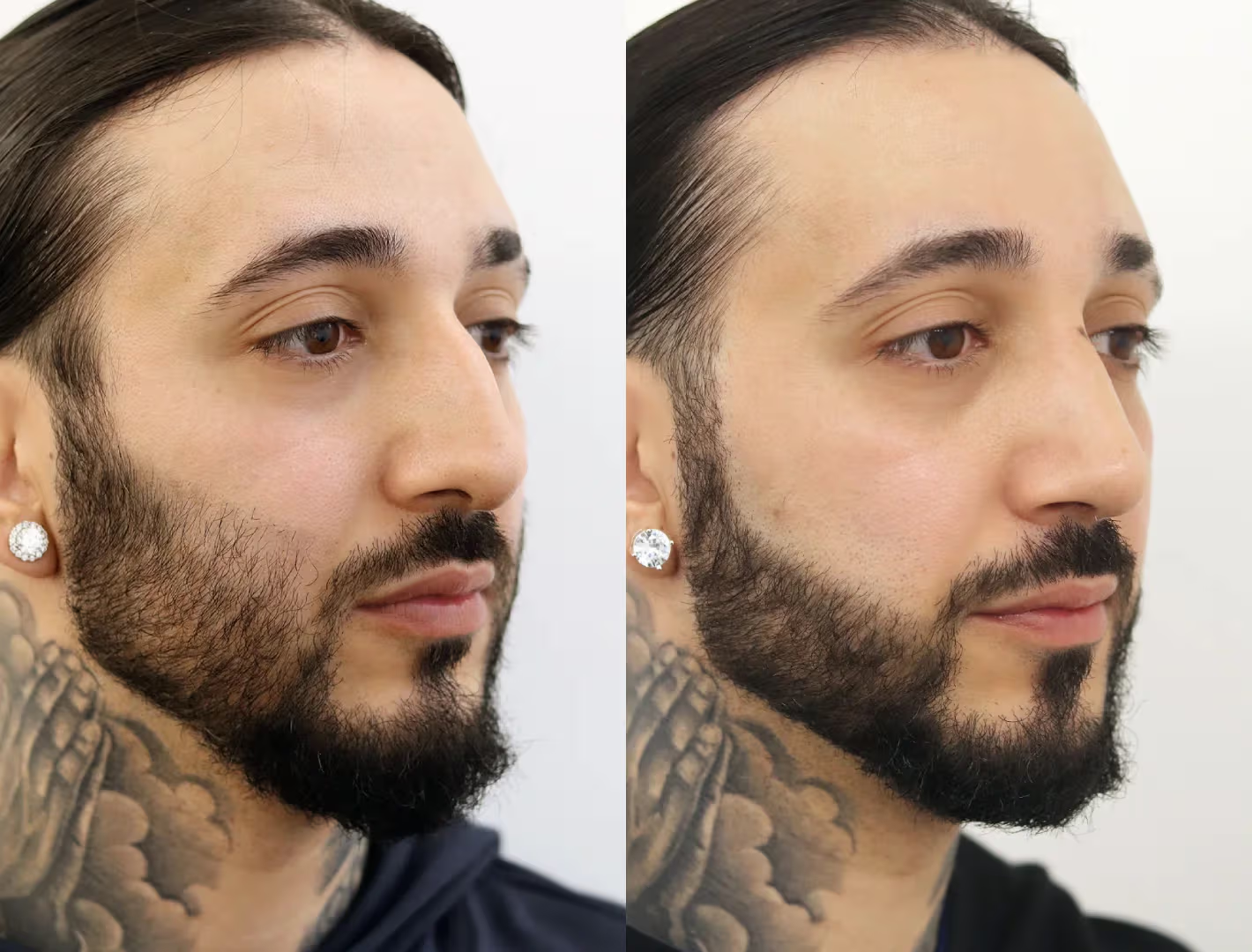
Men seeking rhinoplasty have different goals than women. The aim is a strong, straight nasal bridge—known as linear aesthetics—that projects confidence and maturity. Surgeons approach the nose like architectural sculpting, making millimeter adjustments to bones and cartilage to create a commanding profile that balances with the chin, jawline, and forehead. Male patients have thicker skin and stronger cartilage, requiring specialized techniques such as cartilage grafts to reveal definition without collapsing the structure.
Strategic Facial Analysis
A successful male rhinoplasty never treats the nose in isolation. The entire face is evaluated, including chin projection, forehead slope, and jaw width. A prominent nose on a recessed chin makes the chin appear weaker; careful planning ensures the nose anchors rather than dominates. The result is a sophisticated, distinguished adult male appearance, not merely a smaller nose.
Undetectable Refinement
Modern men desire natural results that avoid looking “worked on.” The philosophy of calculated imperfection guides surgeons: slight asymmetries or avoiding over-sharpening the tip makes the outcome appear genetic rather than surgical. Computer imaging establishes a stopping point to prevent feminization—over-lowering the bridge or rotating the tip too high. The goal is for friends to notice improvement (more rested, balanced, handsome) without pinpointing the change.
Functional Benefits: Breathing and Performance
Many men pursue rhinoplasty for health reasons. Chronic nasal obstruction from a deviated septum or enlarged turbinates restricts airflow, impacting sleep, concentration, and daily energy. Combining cosmetic changes with functional repair (septorhinoplasty) widens internal airways while refining the exterior. For athletes and active men, restoring nasal breathing improves oxygen intake during cardio and heavy lifting, enhancing performance and reducing mouth breathing.
Reconstructive Surgery for Sports Injuries
Contact sports often cause nasal fractures that heal poorly, creating cosmetic crookedness and internal collapse. Reconstructive surgery re-breaks bones and uses cartilage grafts from the rib or ear to rebuild structural integrity. This resolves airflow bottlenecks that limit stamina and often corrects sleep apnea and snoring caused by chronic mouth breathing. The surgery becomes an investment in long-term physical health and better sleep quality, boosting mood and hormone levels.
Recovery and Modern Techniques
Healing from rhinoplasty is a marathon. Initial swelling and bruising around the eyes fade within two weeks, but the nose feels stiff and “woody” for months as internal tissues settle. The final result emerges gradually over six to twelve months. Patients should avoid daily mirror obsession and trust the process. Modern techniques have eliminated uncomfortable nasal packing, replacing it with silicone splints for easier breathing. Anesthesia is tailored to reduce grogginess, and most men resume light activities within a week. Safety has improved with specialists using simulation technology to align expectations, drastically lowering revision rates.