Complete Outdoor Pergola Buying Guide: Roof Types, Materials, Costs, and Design Tips
Learn about pergola roof technologies, material choices, design harmony, hidden costs, and smart buying tips for your outdoor space.
Modern Pergola Roof Options
Louvered Systems for Precision Climate Control
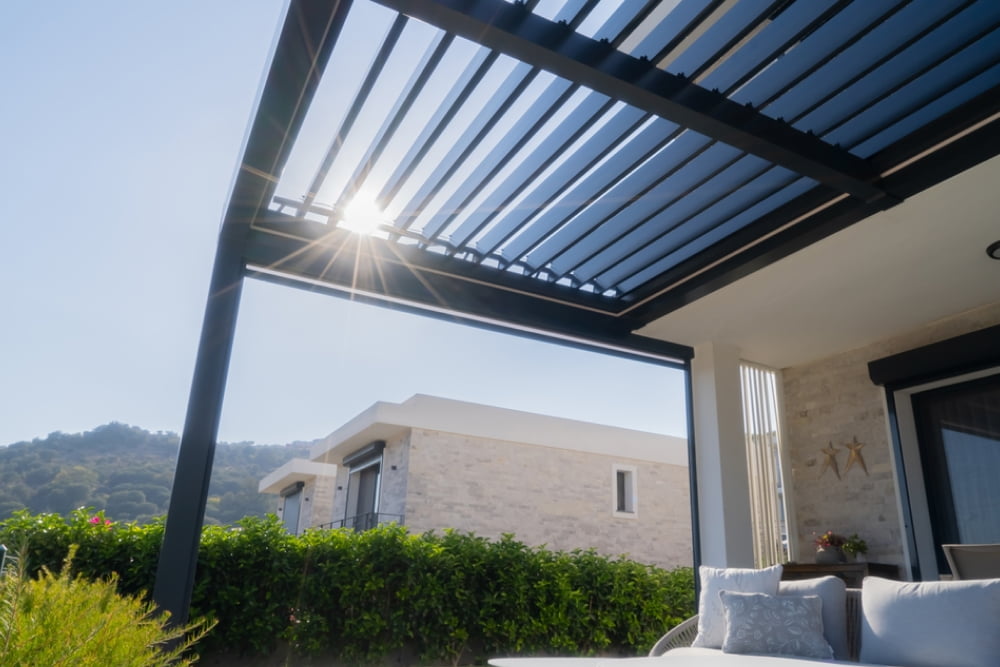
Adjustable louvered roofs are a top choice for year-round comfort. You can tilt the slats to block direct sunlight while allowing hot air to escape, or close them tightly for a waterproof seal. Motorized versions integrate with smart home systems, enabling control via remote or app. This dynamic adaptability extends the usability of your outdoor space across seasons and weather conditions.
Retractable Canopies for Flexible Shade
If you prefer unobstructed sky views, retractable fabric canopies offer a softer alternative. When the weather is fine, retract the canopy to fully expose the area to sunlight and stars; deploy it instantly when shade is needed. Unlike solid roofs, they can be folded away in winter to let natural light into adjacent rooms. High-durability fabrics provide UV protection and water resistance, balancing warmth with practical function.
Material Selection: Looks vs. Longevity
Timber vs. Aluminum
Timber pergolas bring natural warmth but require regular staining, sealing, and inspection to prevent rot, warping, and insect damage. Modern aluminum frames with realistic wood-grain finishes offer the same visual appeal without the upkeep. Aluminum is rustproof, rotproof, and pest-resistant, needing only occasional washing. The frame material significantly impacts long-term cost and effort.
Roofing: Polycarbonate and Glass
For fixed roofs, transparent polycarbonate or tempered glass panels let natural light flood the space while blocking rain and wind. High-quality variants include UV-blocking layers that protect skin and prevent furniture fading. Combining a low-maintenance aluminum frame with a high-tech transparent roof creates a bright, airy sanctuary that withstands elements without constant upkeep.
Design Harmony and Placement
Matching Your Home's Architecture
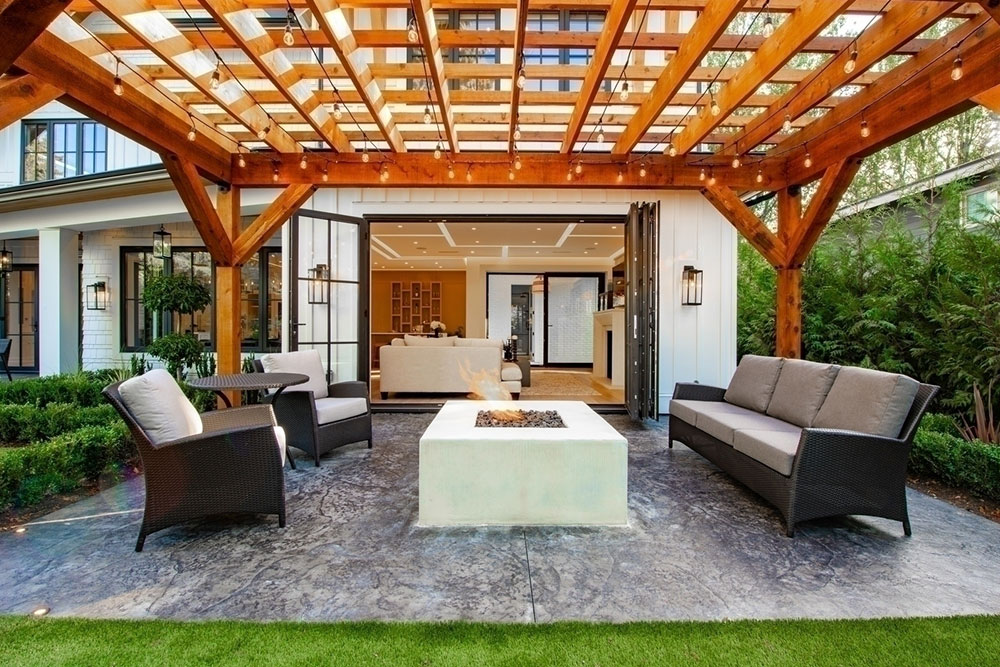
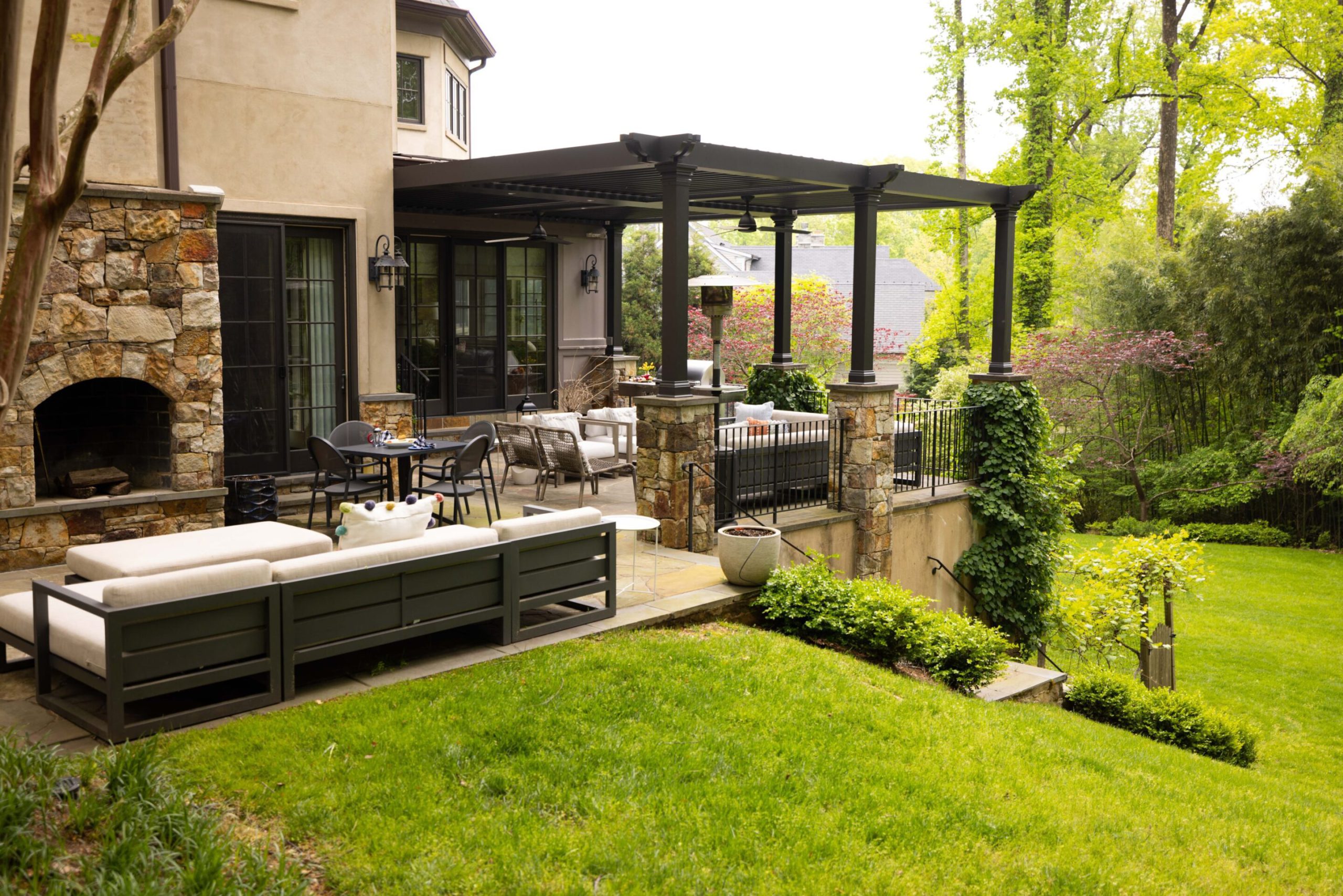
A pergola should look like an intentional extension of your home, not an afterthought. Echo the materials, colors, and lines of your main residence — matching window trim or choosing a complementary style (modern, rustic, farmhouse) increases property value and visual continuity. The flooring beneath the structure is equally important: durable pavers, natural stone, or decking create a grounded, sophisticated look. Integrate low-maintenance landscaping around the perimeter with hardy plants to enhance atmosphere without demanding constant pruning.
Placement and Scale
Define your purpose first: a shaded reading retreat differs from a waterproof dining area. Consider attached vs. freestanding placement. Attached units provide seamless indoor-outdoor flow, while freestanding ones create a private garden destination. Leave breathing room around pillars for air circulation and visual balance. Avoid maximizing footprint at the expense of negative space, which can feel claustrophobic.
Financial Reality: Hidden Costs and Timing
Beyond the Sticker Price
The initial kit price is rarely the final cost. Foundation work — concrete footings, reinforced patio, or structural deck modifications — can equal the structure's cost. Professional labor adds more, and DIY tools also add up. Ignoring these leads to safety hazards. Also consider running costs: metal structures cost more upfront but save on stains and sealants over time. Accessory creep (screens, heaters, lighting) is common; choose a modular design that accommodates upgrades without expensive retrofits.
When to Buy for Best Value
Pergola pricing is seasonal. End-of-summer clearance sales offer significant discounts as retailers clear floor space. Autumn or winter installation can yield drastic savings. Also check floor model sales for cosmetic imperfections at reduced prices. For budget-conscious buyers, manual crank systems provide similar functionality to motorized ones at a lower price and with fewer electrical components. Invest in high-quality frame and roof materials (the "bones") while skipping complex electronics to get premium longevity at a modest cost.
Frequently Asked Questions
What factors influence the cost of a Pergolux pergola?
Size, materials (wood, aluminum, steel), additional features like motorization or integrated lighting, design complexity, customization, and geographical location all affect costs. Labor and material prices vary by region.
How does a motorised pergola enhance outdoor living?
A motorised pergola lets you adjust the roof angle or retract it with a button press, controlling sunlight, shade, rain protection, and ventilation. Smart home integration offers remote control and automation for a seamless outdoor experience.
What are the benefits of a pergola with roof and sides?
Increased protection from rain, wind, and excessive sunlight. It creates a versatile, cozy, defined space for entertaining or relaxation, with enhanced privacy.
What should consumers consider during a pergola clearance sale?
Check material quality and durability, design compatibility, warranty, and after-sale services. Verify that sale prices reflect genuine discounts and ask about installation services.
Key differences between canopy and traditional pergolas
Canopy pergolas have retractable or adjustable fabric covers for flexible shade and weather protection. Traditional pergolas have fixed open-roof beams or slats providing partial shade. Canopy pergolas offer adaptability; traditional ones provide a permanent, classic aesthetic.