Career Paths in Professional Cleaning: From Homes to Healthcare Management
Explore professional cleaning career paths: residential, healthcare, large facilities, and management. Learn skills, advancement, and rewards.
The Broad Scope of Professional Cleaning
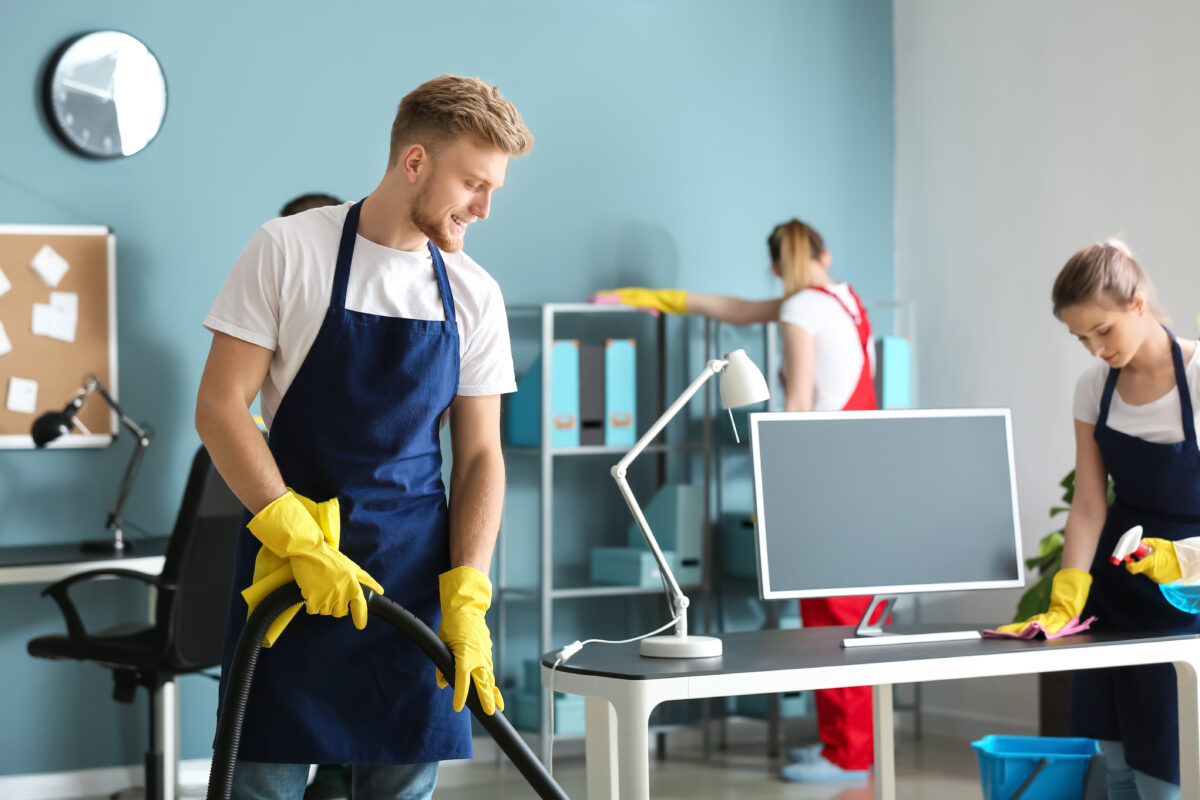
Professional cleaning goes far beyond surface tidying. It spans a wide range of environments, each demanding specialized skills and approaches. From residential homes to hospital operating rooms, the cleaning professional adapts their techniques to ensure safety, hygiene, and client satisfaction. This article explores the technical expertise, diverse work settings, career progression, and personal rewards found in the cleaning industry.
Core Technical Skills
Chemical Knowledge and Surface Care
Understanding the chemistry behind cleaning products is essential. Using the wrong agent on a surface can cause irreversible damage—acidic cleaners on marble or harsh strippers on linoleum are common mistakes. Professionals know how to select the correct product for each material, protecting clients’ investments. They also handle concentrated chemicals safely, adhering to proper dilution ratios to avoid hazards. Continuous education on eco-friendly and sustainable products is increasingly important.
Observation and Ergonomic Efficiency
Top-tier cleaners notice what others overlook: dust on doorframes, fingerprints on handles, grime on baseboards. Identifying stains (grease, mildew, organic matter) and applying the correct removal method is key. However, cleaning is physically demanding. Mastering body mechanics—using leverage, maintaining proper posture, and employing ergonomic tools—allows workers to cover large areas without injury, ensuring long-term career sustainability.
Work Environments and Their Unique Demands
Residential Housekeeping
In homes, the focus is on deep cleaning kitchens and bathrooms, restoring spaces to pristine condition while respecting client privacy. Trust and communication are paramount, and eco-friendly products safe for families and pets are often preferred.
Healthcare and Clinical Sanitation
In hospitals and elderly care centers, infection control is the priority. Staff follow strict protocols to prevent cross-contamination, sterilize high-touch surfaces, and protect vulnerable patients. This role is a critical public health function requiring knowledge of biohazards and hospital-grade disinfectants.
| Feature | Residential | Healthcare |
|---|---|---|
| Primary Goal | Aesthetic comfort and hygiene | Infection control and patient safety |
| Client Interaction | High; service-oriented | Moderate; non-intrusive |
| Key Protocols | Customization per homeowner | Strict health regulations |
| Products | Eco-friendly, consumer-safe | Hospital-grade disinfectants |
Large-Scale Facility Maintenance
In commercial complexes, government buildings, and corporate campuses, custodians manage both indoor and outdoor tasks such as waste disposal, floor care, snow removal, and leaf clearing. They act as the building’s eyes and ears, spotting leaks or flickering lights early. Physical stamina and versatility are essential, along with familiarity with industrial equipment like floor buffers and pressure washers. In industrial plants, strict safety standards and collaboration with engineering teams are required.
Building a Career in Cleaning
From Entry-Level to Management
The cleaning industry offers clear advancement pathways. After mastering on-site protocols, individuals can become Team Leads, Supervisors, or Operations Managers. In these roles, focus shifts from manual tasks to strategic oversight: managing staff, optimizing shifts, ensuring quality, and acting as a bridge between ground crew and clients. Managers need skills in logistics, compliance, and digital tools for scheduling and inventory. Mentoring new staff and implementing sustainability initiatives are also key.
| Stage | Focus | Key Responsibilities | Competencies |
|---|---|---|---|
| Entry-Level | Execution & Technique | Routine cleaning, tool operation, safety | Stamina, attention, reliability |
| Team Leader | Coordination & QC | Shift management, training, inspections | Communication, logistics, problem-solving |
| Operations Manager | Strategy & Compliance | Client relations, budget, EHS protocols | Digital literacy, planning, regulatory knowledge |
Physical Wellness and Mental Satisfaction
Cleaning provides immediate, tangible results—a clear before-and-after transformation. This can be meditative, offering mental clarity and a sense of accomplishment. Knowing that your work directly contributes to the health and safety of building occupants adds purpose and community value.
Frequently Asked Questions
What are common career paths in professional cleaning?
Paths include janitorial staff, housekeeping supervisors, specialized cleaners (healthcare, food service), and facility management. With experience, one can advance to managerial roles or start a business.
How can I advance in cleaning services?
Obtain certifications in hazardous materials or specialized equipment. Network through industry associations and attend workshops. Develop leadership skills for supervisory roles.
What skills are essential for facility cleaning roles?
Attention to detail, time management, teamwork, knowledge of cleaning products and safety regulations, customer service, and for supervisors, communication and leadership.
Are there entrepreneurial opportunities?
Yes, many professionals start their own cleaning businesses serving residential, commercial, or niche sectors. Success requires business acumen, marketing, and client understanding.
What trends impact cleaning careers?
Eco-friendly practices, automated equipment, and heightened hygiene awareness in healthcare. Staying informed gives a competitive edge.