Auto Repair Costs Explained: Independent Garages vs. Chains & Finding a Trustworthy Mechanic
Learn about auto repair costs, independent vs chain shops, and how to find a trustworthy mechanic. Save with smart maintenance.
Breaking Down Auto Repair Costs
Labor, Equipment, and Overhead
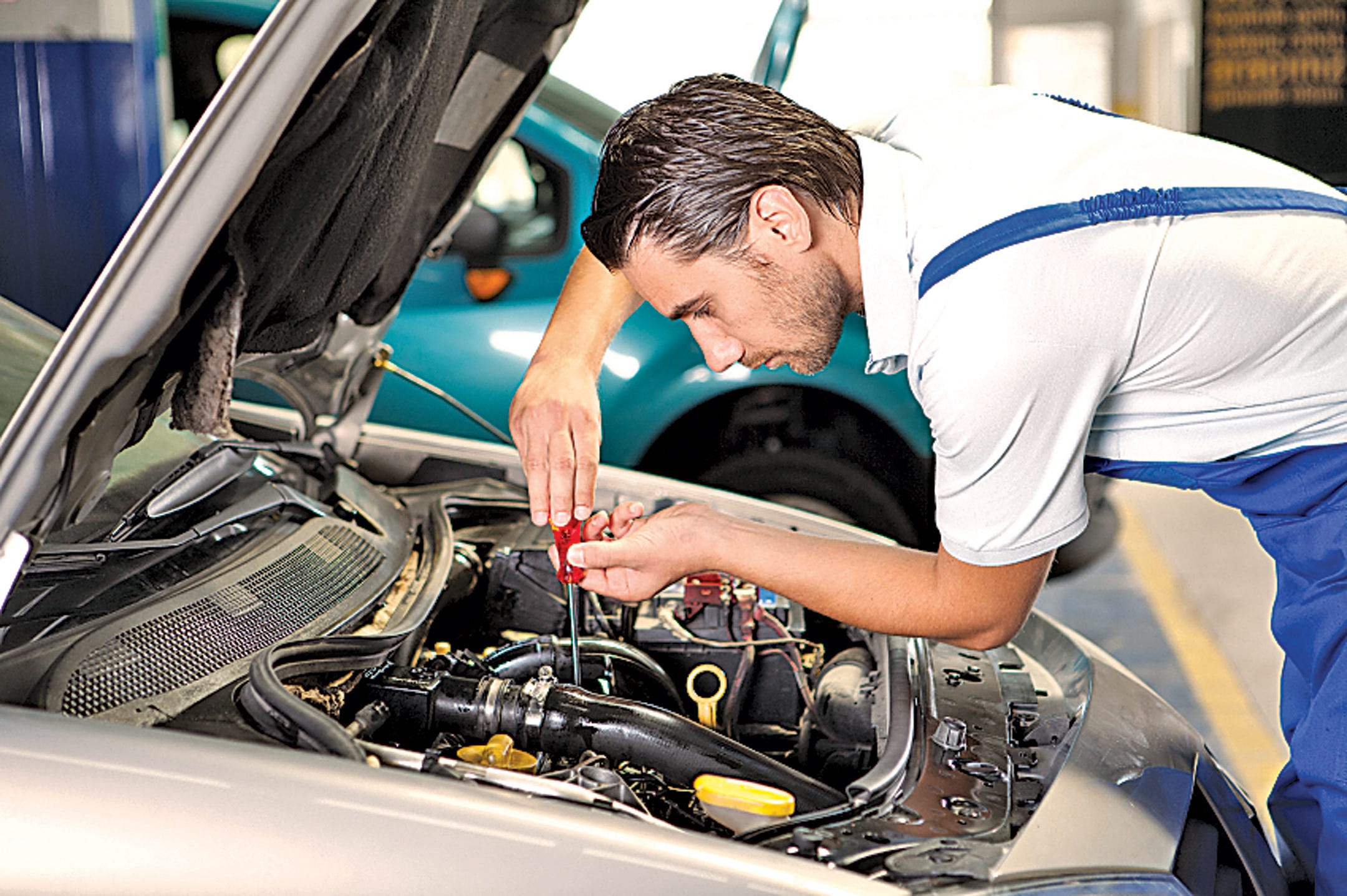
Seeing a four-figure estimate often makes car owners focus on the price of the part. However, the bulk of the cost comes from running a professional shop. Rent, utilities, diagnostic scanners, software subscriptions, lifts, and continuous technician training all factor into the hourly labor rate. Most shops use a flat-rate manual that assigns a standard time for each job based on industry averages. You pay that standard time whether the mechanic finishes quickly or takes longer. This approach protects you from paying for inefficiency and rewards expertise. Understanding that the bill covers expertise, facilities, and a quality guarantee helps make high estimates more acceptable.
Modern Vehicle Technology and Repair Costs
Modern cars are essentially computers on wheels, packed with sensors, cameras, and radar units for safety systems. A simple bumper replacement now requires recalibrating those sensors—a complex process using specialized targets and software. Calibration fees can be significant. Similarly, electronic transmissions and suspensions require deep computerized diagnostics before any mechanical work. Repair bills increasingly reflect IT-level tasks alongside traditional labor, especially for luxury and electric vehicles. This trend raises costs but is necessary for safe and accurate repairs.
Choosing Between Independent Garages and National Chains
Personal Service vs. Standardized Efficiency
Independent garages thrive on personal relationships. You often speak directly with the owner or lead technician, who knows your car's history and quirks. Communication is relaxed, and repairs feel less transactional. National chains, in contrast, offer consistent, systemized service across locations. Dedicated service advisors follow scripts, waiting rooms are uniform, and processes are predictable. While chains may lack warmth, they deliver reliability and reduce variance in service quality. Your choice depends on whether you value a personalized relationship or a professional, consistent experience.
Parts Flexibility vs. Warranty Coverage
Independents have flexibility in sourcing parts—they can offer OEM, aftermarket, or rebuilt components to fit your budget. A skilled technician can often devise creative, cost-effective repairs. However, national chains provide robust nationwide warranties. If a repair fails far from home, a network partner can handle it seamlessly. Chains also use uniform training and proprietary diagnostic equipment, but their corporate guidelines may require replacing rather than repairing parts, potentially raising the initial quote. The trade-off is between adaptability and peace of mind through warranty protection.
How to Find a Trustworthy Mechanic
Credentials and Communication
Start by checking industry certifications like ASE, which prove the technician has passed rigorous exams. Also ask about experience with your vehicle's make, especially for hybrids or European models. Visit the shop: a clean, organized workspace reflects attention to detail. The advisor should explain the diagnosis in plain language and provide a written estimate separating parts from labor. If communication feels dismissive or confusing, look elsewhere. Trust is built on clarity and partnership.
Spotting Red Flags and Unethical Tactics
High-pressure sales tactics are a major warning sign. If an advisor insists a minor issue is an immediate safety threat, step back. Honest shops help triage repairs—identifying what’s critical versus what can wait. Always ask for a detailed estimate with a price ceiling. You have the right to see replaced parts; if a shop refuses or claims they were thrown away, that’s suspicious. Defensiveness when explaining charges is another red flag. A reputable mechanic will welcome your questions and provide transparency.
Strategic Maintenance to Save Money
Preventative Care as Investment
Shifting from reactive repairs to proactive maintenance is the best way to avoid financial shocks. Regular oil changes, fluid flushes, and belt inspections prevent costly failures. Don’t view a recommended list of services as all-or-nothing. Work with your mechanic to categorize them into immediate safety needs, near-future maintenance, and monitoring. Spreading costs over months makes them manageable. Also discuss options like high-quality rebuilt parts for major mechanical repairs to reduce bills without sacrificing reliability. Treating maintenance as a necessary operational cost gives you control over ownership expenses.
Frequently Asked Questions
What should I look for when choosing a local auto shop? Start with reputation, certifications, reviews, and experience with your vehicle's make. A shop familiar with your model can diagnose issues faster and more accurately.
How can I determine if a $1,000 repair estimate is reasonable? Obtain estimates from multiple local shops and research typical costs online. A detailed breakdown of labor and parts helps you compare. Seek transparency, not just the lowest price.
What services are typically included in a complete automotive repair? Complete repair often includes engine diagnostics, brake work, transmission service, tire service, and routine maintenance. Clarify with the shop exactly what’s covered to avoid surprises.
How can I find competitors to 'Who Can Fix My Car'? Search online for similar vehicle repair comparison platforms. Read reviews and compare features such as pricing, shop ratings, and service coverage to find the best fit for your needs.
Is there a standard price list for car repairs? No universal list exists, but many shops provide price ranges for common services. Use these as budgeting guidelines to gauge whether an estimate is fair.