Affordable Senior Housing Guide: Smart Location Choices, Downsizing, and Rent vs Buy
Practical guide: affordable senior housing via location choices, downsizing, rent vs own, safety features, and government subsidies.
Finding Affordable Senior Housing: A Complete Roadmap
Older adults on fixed incomes face real challenges securing safe, dignified housing. Yet with strategic location choices, downsizing, careful renting versus owning decisions, and government assistance, affordable options exist. This guide provides actionable steps to cut costs without sacrificing comfort or safety.
Geographic Flexibility and Cost Management
Move to Lower-Cost Areas
Major cities and coastal resorts come with steep living expenses. Relocating to midsize cities, suburbs, or small towns within commuting distance of urban centers can slash monthly rent or purchase prices. These secondary markets often offer strong amenities—shopping, parks, cultural activities—at much lower costs. The savings free up money for healthcare, travel, and other needs.
The Financial Power of Downsizing
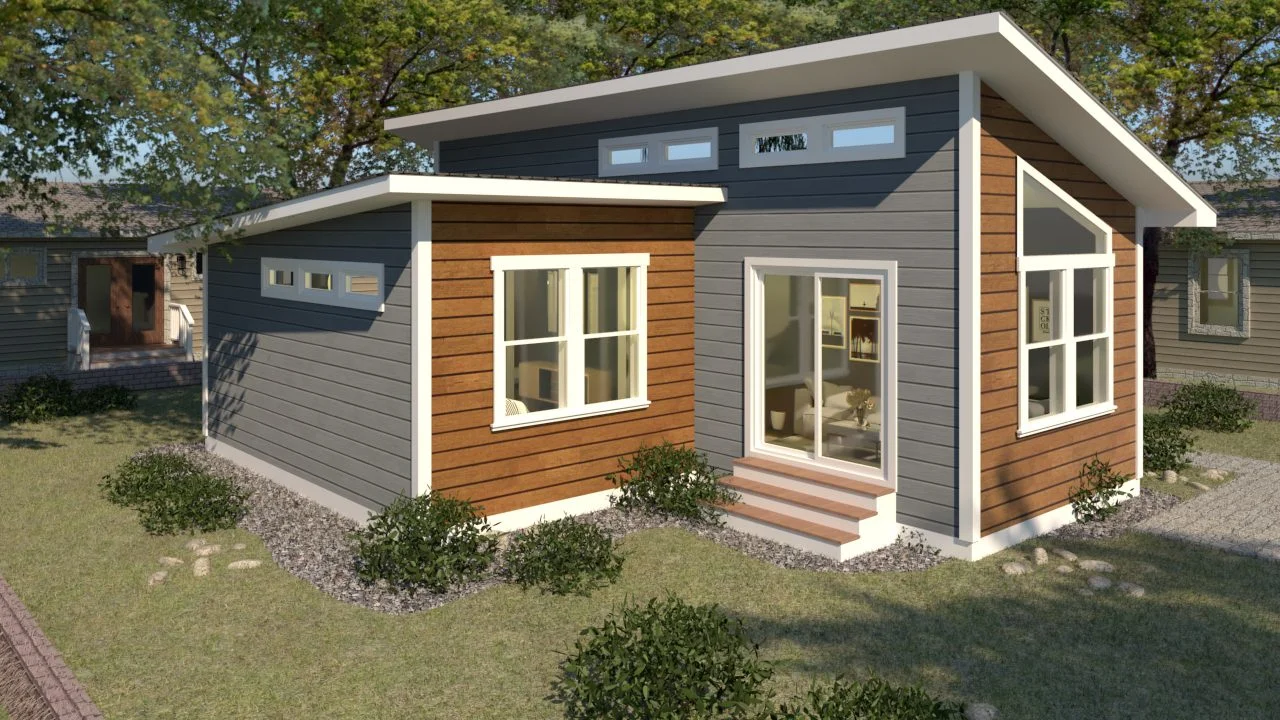
A large family home becomes expensive and hard to maintain in retirement. Moving to a condominium, townhouse, or one-story villa reduces property taxes, utilities, and upkeep. Many smaller units include association fees that cover exterior maintenance, eliminating surprise repair bills. The freed-up equity can be used for quality-of-life improvements.
Renting vs. Owning in Retirement
Why Renting Works Well for Seniors
Purpose-built rental communities for middle-income seniors are increasingly common. Renting unlocks home equity, provides cash reserves, and avoids down payment stress. Senior rentals often feature safety rails, emergency call systems, maintenance-free living, and social events. Residents enjoy a close community where neighbors watch out for each other, plus flexibility to move if needs change.
Ownership with Less Work
Active adult communities with homeowners associations (HOAs) appeal to those wanting equity growth without yard work. Owners control the interior while the association handles grounds, exterior, and snow removal. These homes typically offer open floor plans, main-floor master suites, and smart technology. Market timing matters—enter with a modest unit and trade up later if desired.
Safety, Accessibility, and Social Connection
Design for Aging in Place
Future-focused housing goes beyond avoiding stairs. Look for wide doorways (for walkers or wheelchairs), step-free showers, and reinforced walls for grab bars. These features preserve independence even as mobility declines. Non-intrusive fall detection and inactivity monitors are becoming standard. A robust emergency evacuation plan is essential.
Fostering Community and Well-Being
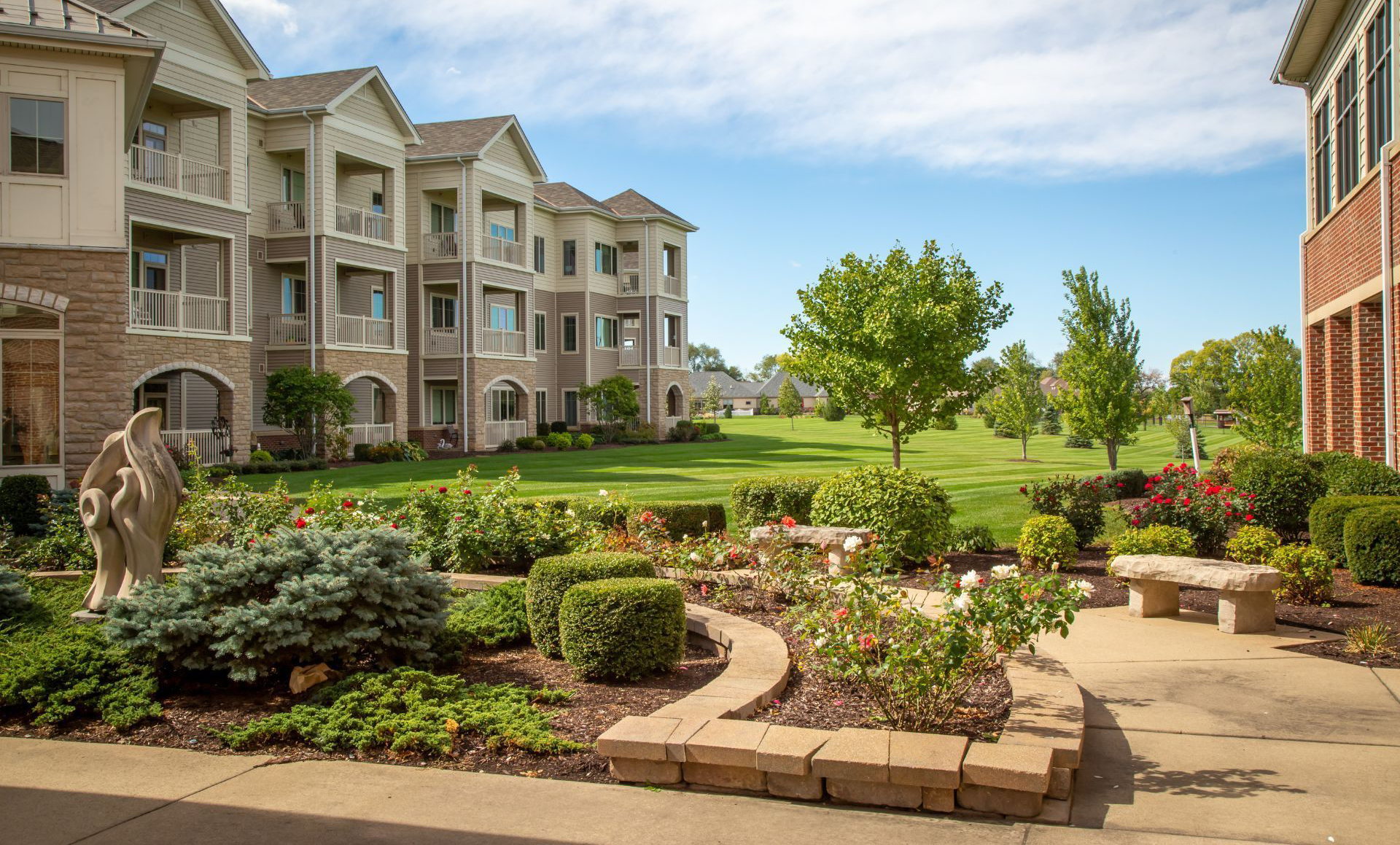
Social isolation poses serious health risks. Choose housing with vibrant common areas—lounges, gardens, activity rooms—that encourage interaction. Many developments offer wellness programs, hobby clubs, and social mixers. A welcoming community reduces loneliness and supports mental health.
Government Support and Subsidies
Rental Assistance Programs
Low-income seniors can explore federal and state subsidies like the Section 8 Housing Choice Voucher Program, which caps rent at 30% of income. Project-based subsidies keep rents below market in designated senior buildings. Vouchers tied to individuals offer more freedom. Most programs are age-restricted (e.g., 62+) and income-limited.
Grants for Modifications and Utilities
Some programs cover home modifications (ramps, grab bars) or in-home supportive services to prevent institutionalization. Utility assistance and prescription cost caps can stretch fixed incomes further. Local housing authorities and nonprofits provide application help.
Frequently Asked Questions
What are the benefits of renting 55+ apartments near me?
Age-restricted rentals offer safety features, emergency call systems, activity centers, maintenance-free living, and a social atmosphere that reduces isolation.
How can low-income seniors find affordable houses for rent?
Apply for government-assisted programs like Section 8 vouchers or local rental assistance grants. Contact your local housing authority or nonprofits that maintain lists of subsidized senior rentals.
What should I consider when looking for 62+ apartments?
Evaluate location relative to healthcare, transit, and grocery stores. Check safety features, community services, and social activities. Review lease terms, affordability, and age or income restrictions.
What is the difference between retirement property for sale and retirement community homes?
Retirement property for sale is an individual home/condo designed for seniors but not part of a planned community. Retirement community homes are within a development offering shared amenities like clubhouses, pools, and events.
How can I find suitable seniors apartments near me?
Use online real estate platforms and senior living directories that filter by age restrictions, amenities, and budget. Visit local senior centers or consult a senior housing specialist for personalized recommendations.