Advanced Prostate Cancer Treatments: Hormone Therapy, Chemotherapy, Immunotherapy, and Emerging Options
Advanced prostate cancer therapies: hormone, chemo, immunotherapy, targeted, and emerging options like ADC and CAR-T.
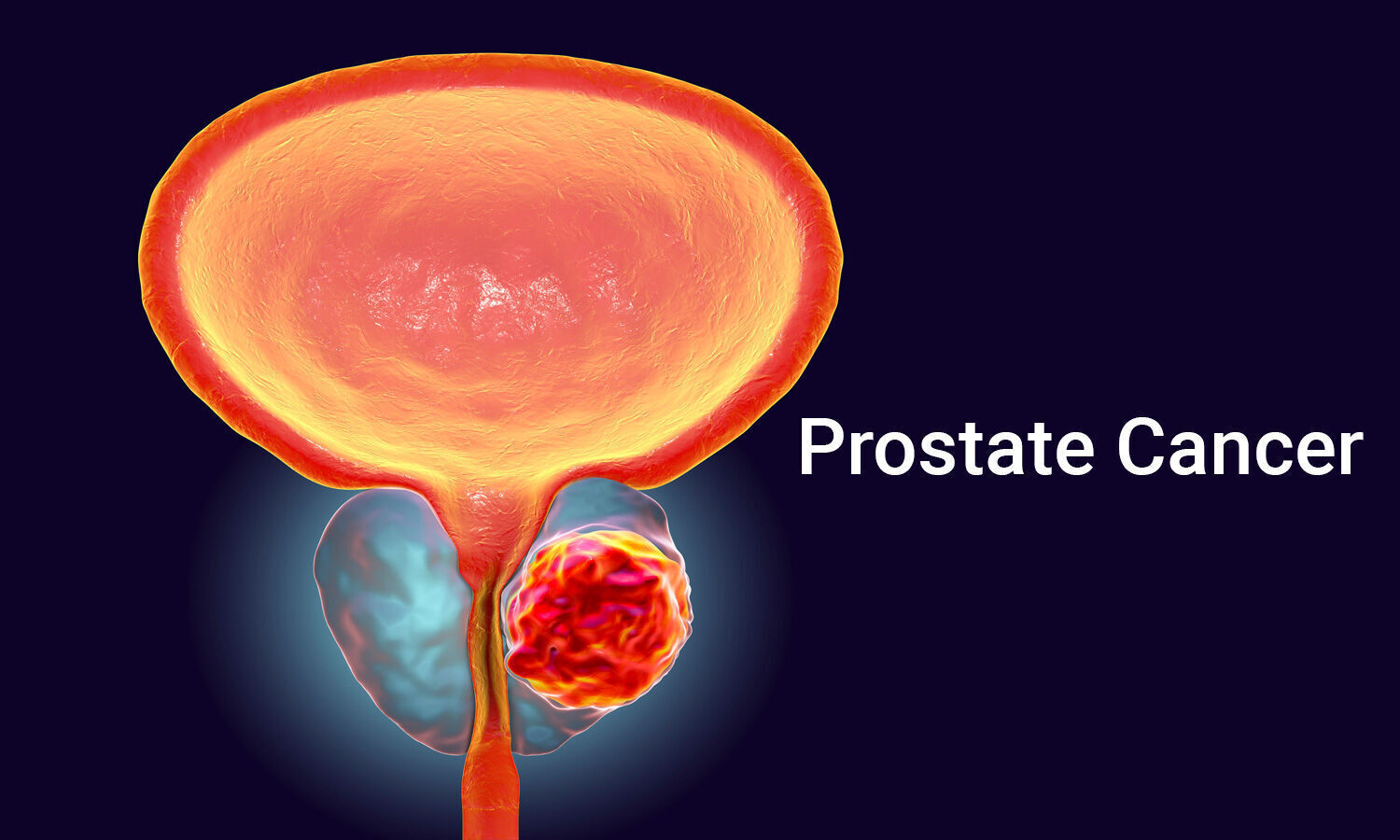
Overview of Advanced Prostate Cancer Therapies
Treatment options for advanced prostate cancer have expanded dramatically. This article reviews FDA-approved therapies across hormonal, chemotherapeutic, immunotherapeutic, targeted, and emerging modalities, covering their mechanisms, indications, and status.
Hormonal and Androgen-Directed Therapies
Abiraterone Acetate
Abiraterone acetate targets CYP17 to suppress androgen synthesis. It improves overall survival in metastatic hormone-sensitive prostate cancer (mHSPC) and metastatic castration-resistant prostate cancer (mCRPC). The standard regimen combines abiraterone with ADT and prednisone. It is an FDA-approved guideline-based therapy.
Enzalutamide
Enzalutamide is an androgen receptor inhibitor that enhances radiographic progression-free survival (rPFS) and overall survival. It is used alongside ADT for mHSPC and mCRPC. FDA approval and clinical guidelines support its use as a standard of care.
Chemotherapy Regimens
Docetaxel
Docetaxel, a microtubule inhibitor, is first-line chemotherapy for metastatic prostate cancer. It extends survival in both mHSPC and mCRPC and may be administered after AR-targeted therapy. FDA-approved as a cornerstone of treatment.
Cabazitaxel
Cabazitaxel is a second-line chemotherapy effective after docetaxel failure. It improves survival in docetaxel-resistant mCRPC. Approved by the FDA, it is the standard option for patients progressing on docetaxel.
Immunotherapy and Precision Targeted Therapies
Sipuleucel-T
Sipuleucel-T is an autologous dendritic cell immunotherapy offering a modest survival benefit for asymptomatic or minimally symptomatic mCRPC. It is FDA-approved but has limited availability.
PARP Inhibitors (Olaparib)
Olaparib and other PARP inhibitors target homologous recombination repair (HRR) defects, such as BRCA1/2 and ATM mutations. They improve progression-free survival in HRR-mutated mCRPC and are FDA-approved for this molecularly defined population.
Radioligand Therapy (177Lu-PSMA-617)
177Lu-PSMA-617 delivers targeted radiation to PSMA-positive prostate cancer cells. It improves overall survival and quality of life in PSMA-positive mCRPC. FDA-approved in 2022, it is being studied in combination with AR-directed agents.
Emerging Therapeutic Approaches
Antibody-Drug Conjugates (ADCs)
ADCs targeting tumor antigens like TROP-2 or STEAP1 deliver cytotoxic drugs directly to cancer cells. No ADC is yet approved for prostate cancer; they remain in clinical trials evaluating safety and efficacy.
CAR-T Cell Therapy
CAR-T therapy engineers T cells to recognize prostate cancer antigens such as PSMA or STEAP1. Preclinical and early-phase trials show promise, but this approach is still experimental and not FDA-approved. Research is ongoing to overcome solid tumor challenges.