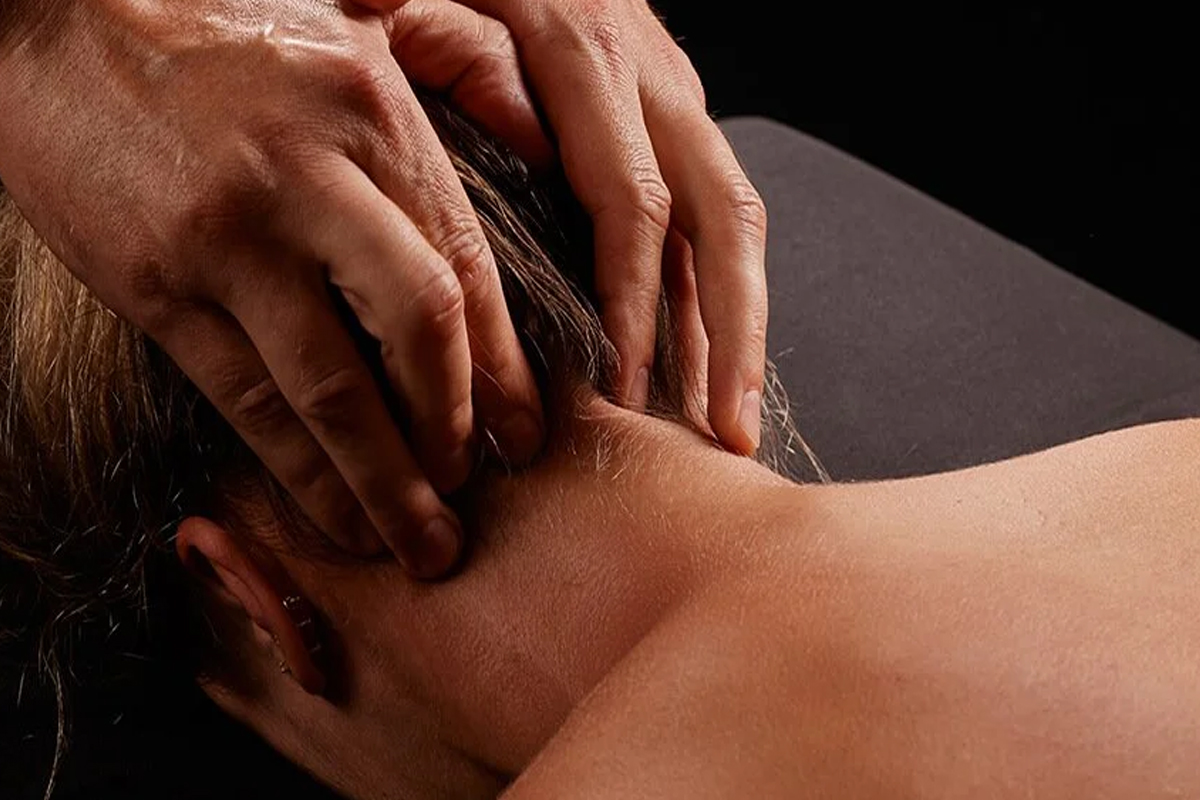
Massage Therapy for Mental Health: Stress Relief, Anxiety Reduction & Mood Boosting
Learn how massage therapy reduces cortisol, boosts serotonin, and eases anxiety. Discover techniques like Swedish and aromatherapy for mental wellness.
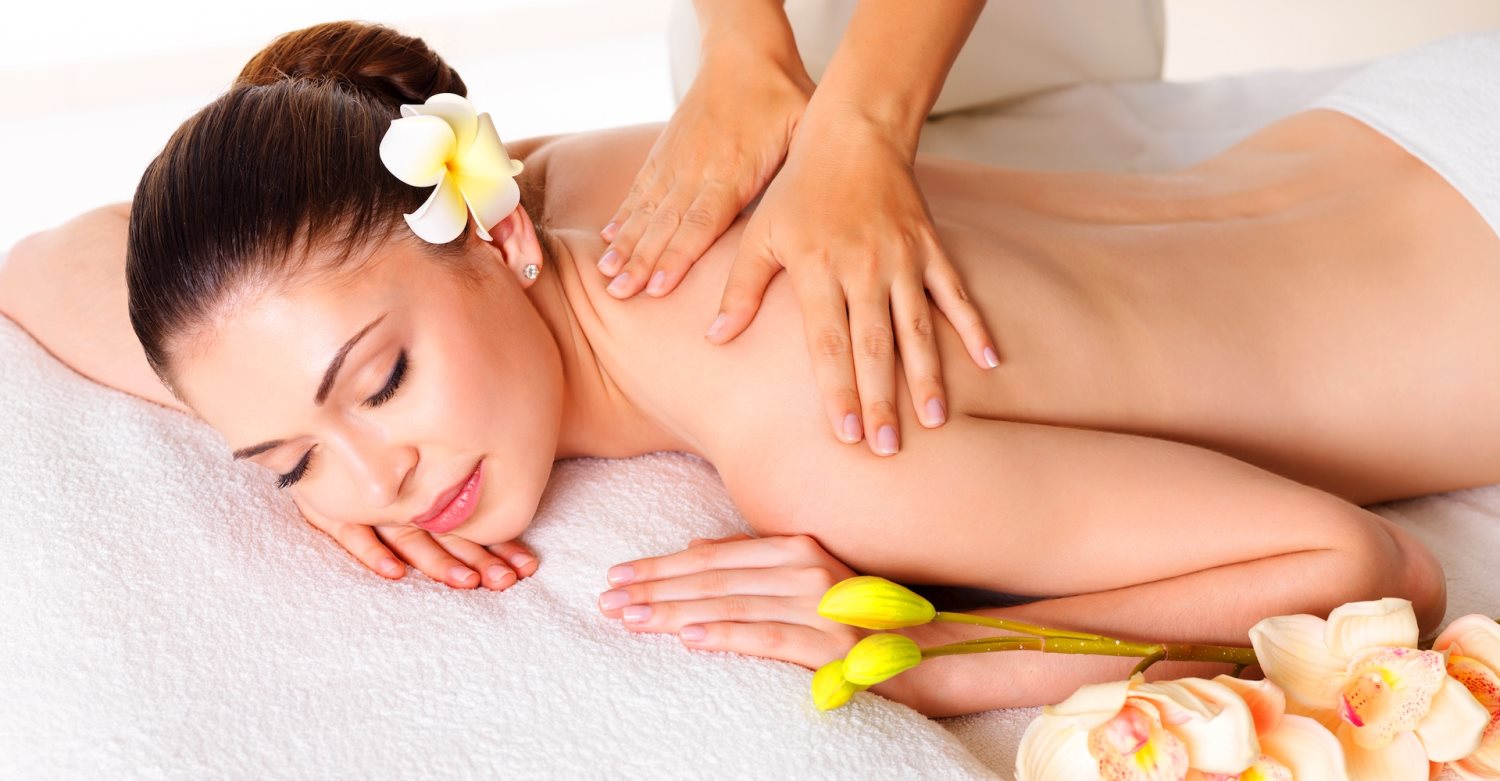
The Mind-Body Connection: How Massage Therapy Boosts Mental Health
Massage therapy does more than soothe sore muscles—it directly alters brain chemistry and the nervous system's stress response. By lowering cortisol levels and increasing serotonin, dopamine, and endorphins, regular massage sessions can alleviate anxiety, improve mood, and restore emotional balance. This article explores the science, techniques, and practical ways to incorporate massage into your mental wellness routine.
The Science Behind Stress Reduction
Lowering Cortisol, Raising Feel-Good Chemicals
One of the most well-documented effects of massage therapy is its ability to reduce the stress hormone cortisol while boosting mood-regulating neurotransmitters like serotonin and dopamine. This hormonal shift calms the nervous system, lessens anxiety symptoms, and fosters a sense of well-being. Even a single 60-minute session can produce measurable improvements in stress levels and emotional state.
Activating the Rest-and-Digest Response
Techniques such as the long, gliding strokes used in Swedish massage stimulate the parasympathetic nervous system—the branch responsible for rest, relaxation, and digestion. This activation slows heart rate and lowers blood pressure, helping to counter the effects of chronic stress and creating a deep state of calm.
Best Massage Techniques for Anxiety and Mood
Swedish Massage
With gentle, flowing strokes, Swedish massage improves blood circulation, relieves muscle tension, and triggers the release of serotonin and dopamine. It is especially effective for anxiety relief. Sessions typically last about 60 minutes, and for optimal results, twice-weekly appointments are recommended.
Aromatherapy Massage
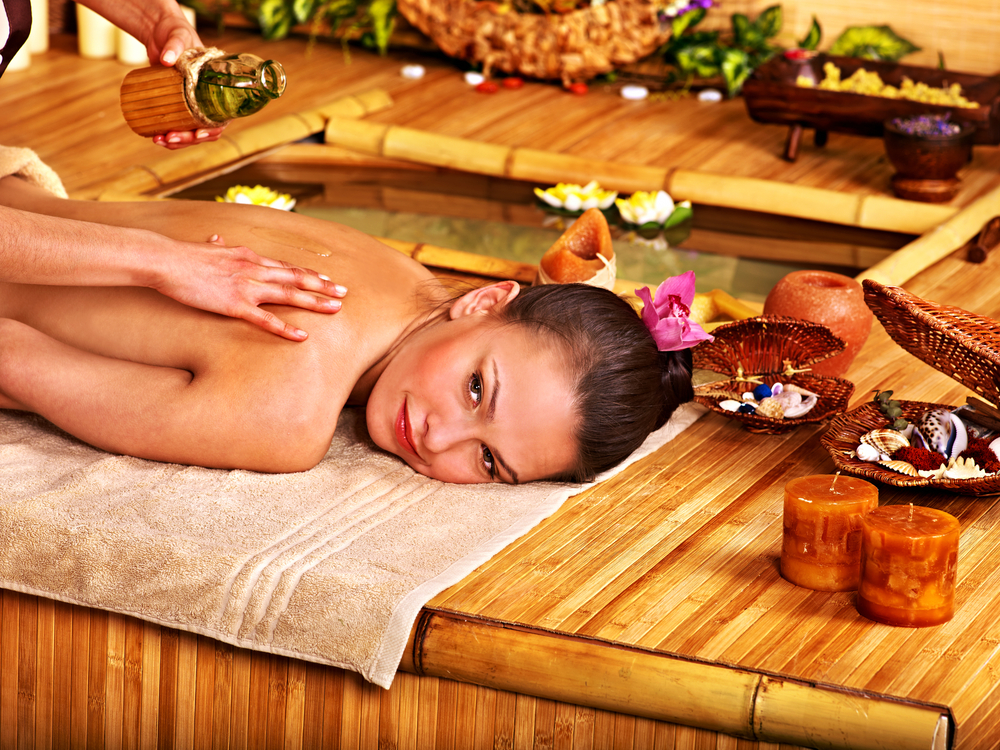
Essential oils such as lavender, chamomile, and bergamot are inhaled and absorbed through the skin during the massage. These oils stimulate the limbic system—the brain's emotional center—promoting relaxation and reducing stress. Aromatherapy massage sessions run 60–90 minutes and are often combined with Swedish techniques for enhanced benefits.
Deep Tissue Therapy for Stress-Related Tension
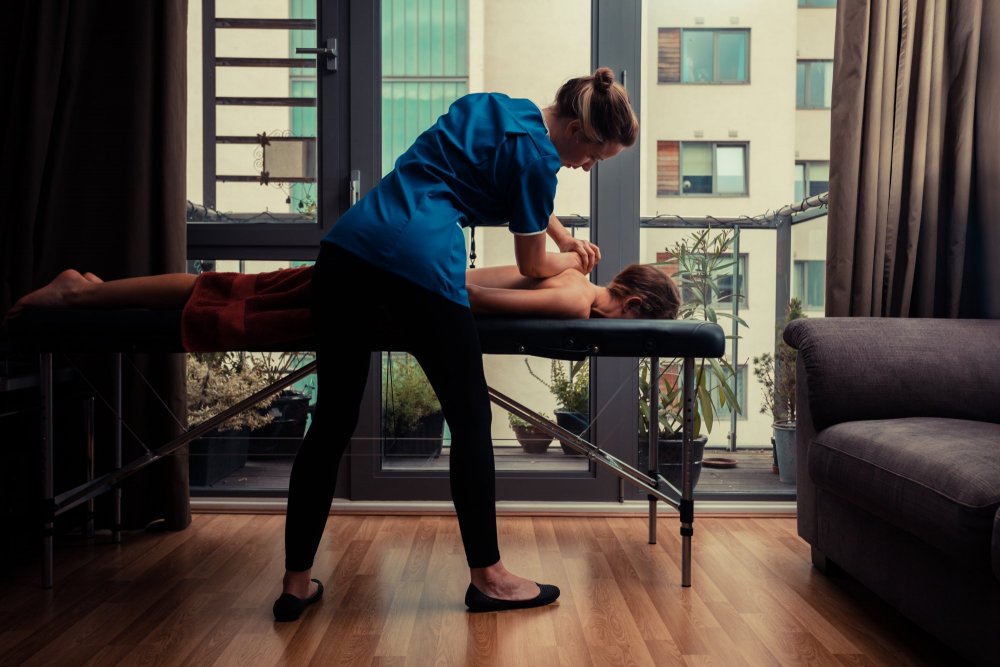
For individuals dealing with chronic muscle tightness caused by ongoing stress, deep tissue and neuromuscular massage target knots and trigger points. Releasing these physical manifestations of anxiety can also improve emotional well-being, creating a sense of release both physically and mentally.
Maximizing Benefits: Pairing Aromatherapy with Swedish Massage
Combining aromatherapy and Swedish massage produces a synergistic effect that amplifies the relaxation response. The essential oils enhance the calming properties of the massage, leading to greater muscle release and emotional calm. This approach addresses both physical tension and emotional stress, making it a powerful tool for holistic wellness. Practitioners can customize treatments by selecting oils for specific needs—such as stress relief or mood elevation—and adjusting massage pressure accordingly.
| Massage Type | Primary Benefits | Mechanism of Action | Typical Duration | Frequency Recommendation |
|---|---|---|---|---|
| Aromatherapy Massage | Enhanced relaxation; mood improvement | Inhalation/skin absorption of oils; stimulates limbic system | 60–90 minutes | Weekly or biweekly |
| Swedish Massage | Reduced muscle tension; improved circulation; lower cortisol; higher serotonin/dopamine | Long gliding strokes activate parasympathetic nervous system | 60 minutes | Twice weekly for anxiety relief |
Finding a Licensed Massage Therapist
Always choose a licensed professional who meets state requirements, such as a minimum age of 18, high school diploma, and no felony convictions. Licensure standards are becoming more rigorous, especially in states like North Carolina, Colorado, and Louisiana. Verify credentials with your state's massage therapy board to ensure high-quality, safe care.
Making Massage a Part of Your Wellness Routine
Incorporating massage therapy into a broader mental health plan can be highly beneficial. Whether used alongside other treatments for anxiety, depression, or addiction recovery, regular sessions promote emotional balance, reduce stress symptoms, and support overall mental well-being. By addressing both mind and body, massage helps create a sustainable path to a calmer, healthier life.