Lifeline Services for Seniors: Medical Alert Systems, Free Connectivity & Safety Benefits
Learn about Lifeline services for seniors: medical alert systems, free home phone/internet, and connectivity programs to improve safety and independence.
Overview
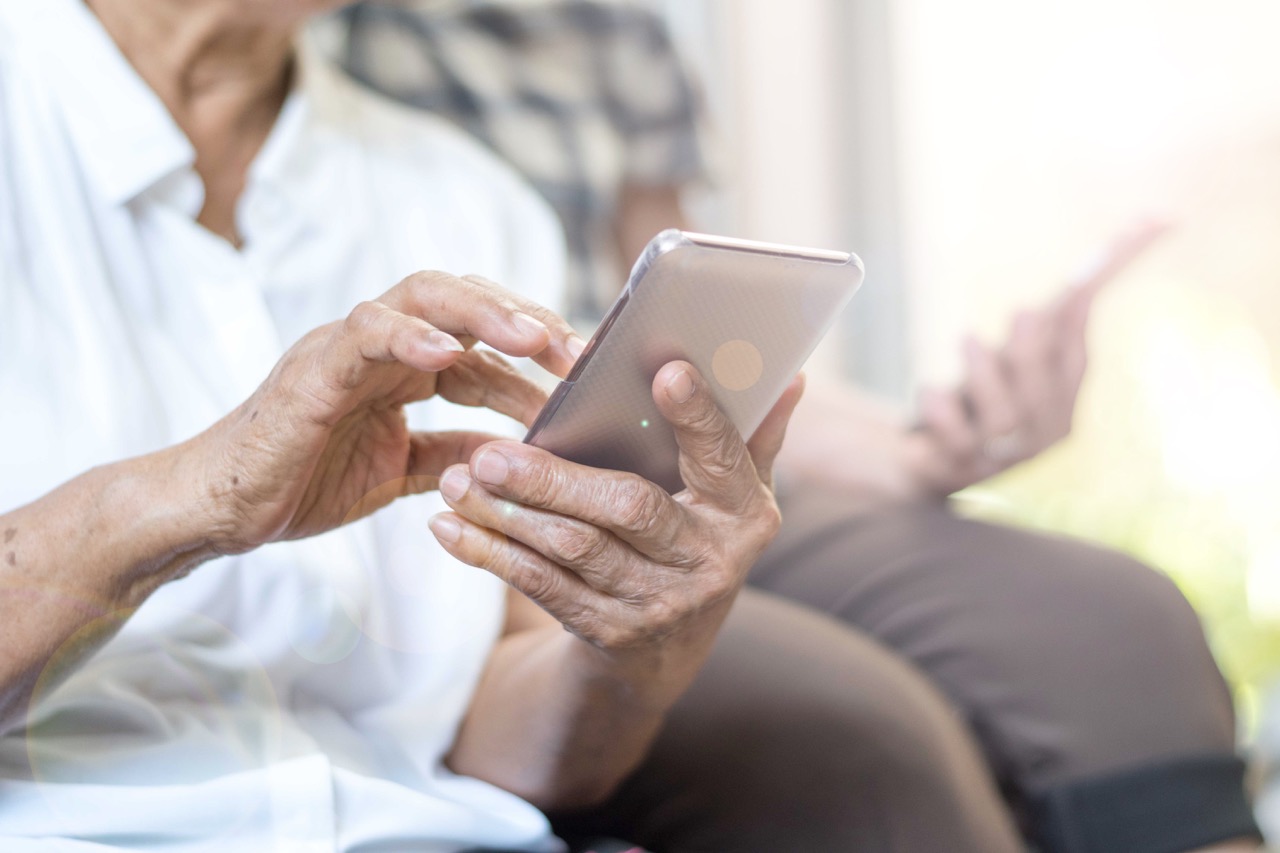
Lifeline services provide essential safety, connectivity, and independence for older adults. From medical alert systems with fall detection to free or discounted home phone and internet, these resources empower seniors to age in place while staying connected.
Types of Lifeline Services
Medical Alert Systems
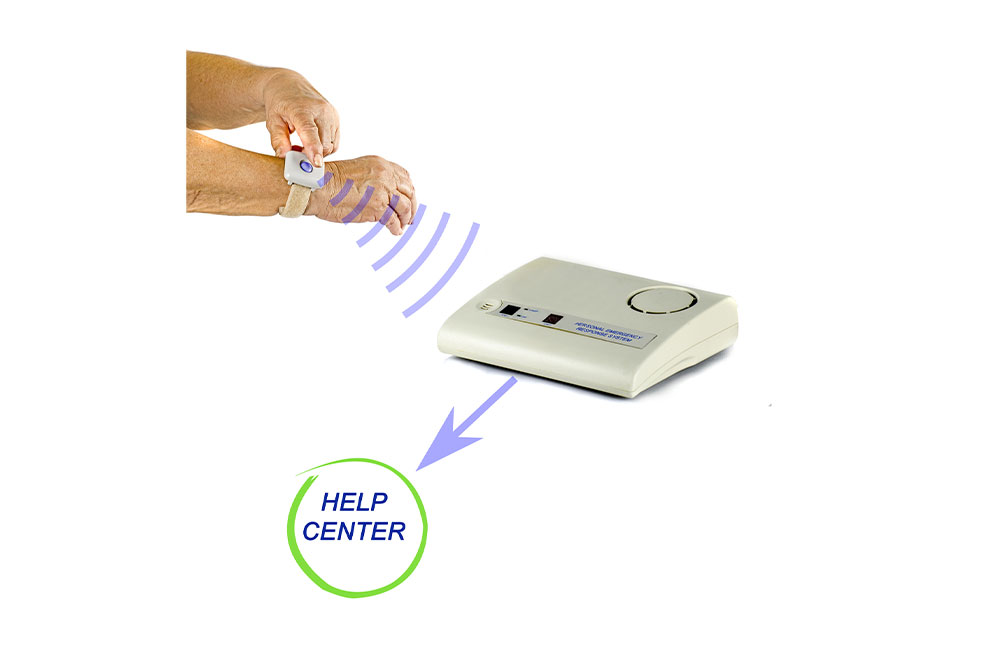
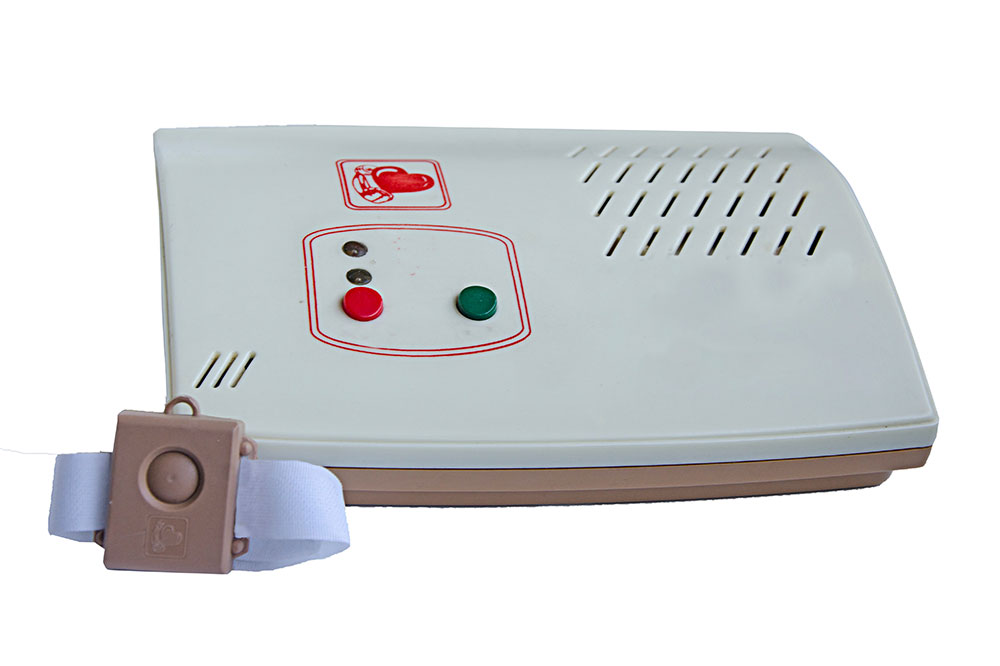
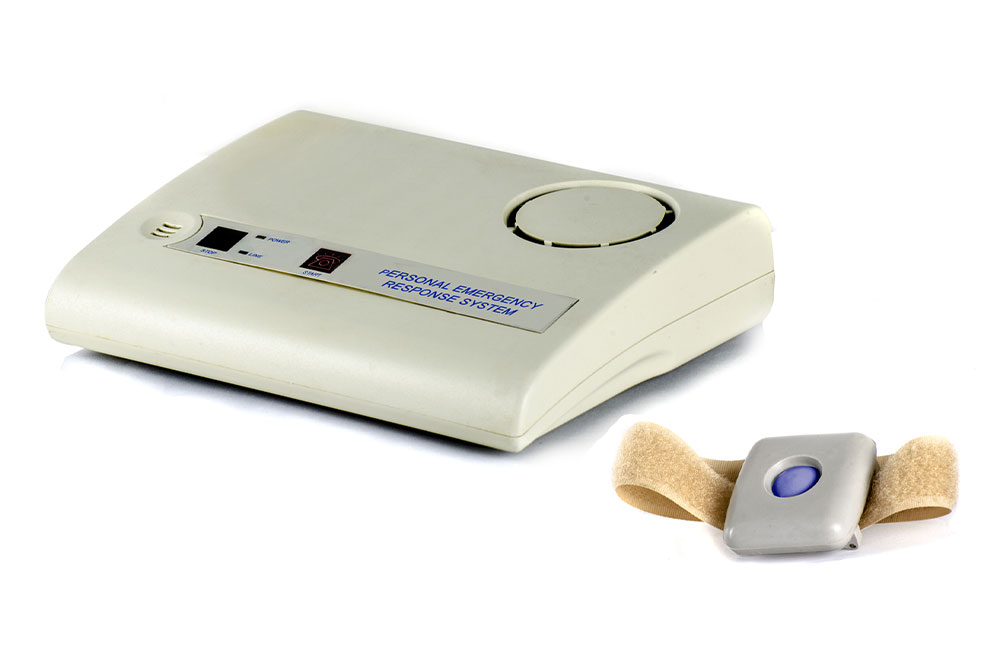
Wearable devices that let seniors call for help with a single button. Advanced models include fall detection, GPS tracking, and waterproof designs for bathroom use.
Emergency Response Services
Professional monitoring centers operating 24/7, dispatching paramedics, firefighters, or family when needed.
Connectivity Solutions
Government and ISP programs offer free or low-cost home phone and internet to eligible low-income seniors, reducing isolation and enabling telehealth.
Key Benefits for Seniors and Families
Enhanced safety: Seniors gain confidence knowing help is always a button press away. Timely medical assistance reduces severity of falls or heart attacks. Families enjoy peace of mind with 24/7 monitoring. Connectivity combats loneliness and provides access to telehealth and social networks.
Top Medical Alert Systems Compared
| System | 24/7 Monitoring | Fall Detection | GPS Tracking | Monthly Cost | Contract Required |
|---|---|---|---|---|---|
| Life Alert | Yes | Optional | No | High | Yes |
| Philips Lifeline | Yes | Yes | Yes | Mid-High | No |
| Bay Alarm Medical | Yes | Yes | Yes | Low-Mid | No |
Life Alert is well-known but requires long contracts and high fees. Alternatives like Direct Alert offer similar features at lower costs, with user manuals designed for non-tech-savvy users. Philips Lifeline combines quality and customer service, ideal for active seniors. Bay Alarm Medical provides affordable, contract-free plans.
Frequently Asked Questions
How do I qualify for free home phone and internet?
Eligibility typically depends on income and participation in federal programs like Medicaid or SNAP. Contact local providers or visit government websites for specific offers.
Are medical alert systems covered by insurance?
Some insurance plans may partially cover costs. Check with your provider for personal emergency response system benefits.
How do I choose the best system?
Consider ease of use, features (fall detection, GPS), monthly fees, contract terms, and customer reviews. Compare multiple options.
Can I use a medical alert system outside my home?
Yes — many systems include mobile units with GPS for protection while walking, shopping, or traveling.
What if my device malfunctions?
Contact the provider’s customer support for troubleshooting or replacement. Most companies offer responsive service.
Future Trends in Lifeline Services
Integration with smart home devices will enable voice-activated alerts and automated health sensors. Advanced wearables will become more discreet with continuous monitoring. Expanded connectivity programs aim to close the digital divide. Personalized alert systems will allow users to tailor devices to their specific needs.
Lifeline services empower seniors to live safely and independently while giving families peace of mind. Affordable medical alert systems, free connectivity options, and upcoming innovations make these resources invaluable. Staying informed helps seniors choose the best solutions for their needs.